Last updated November 21, 2026
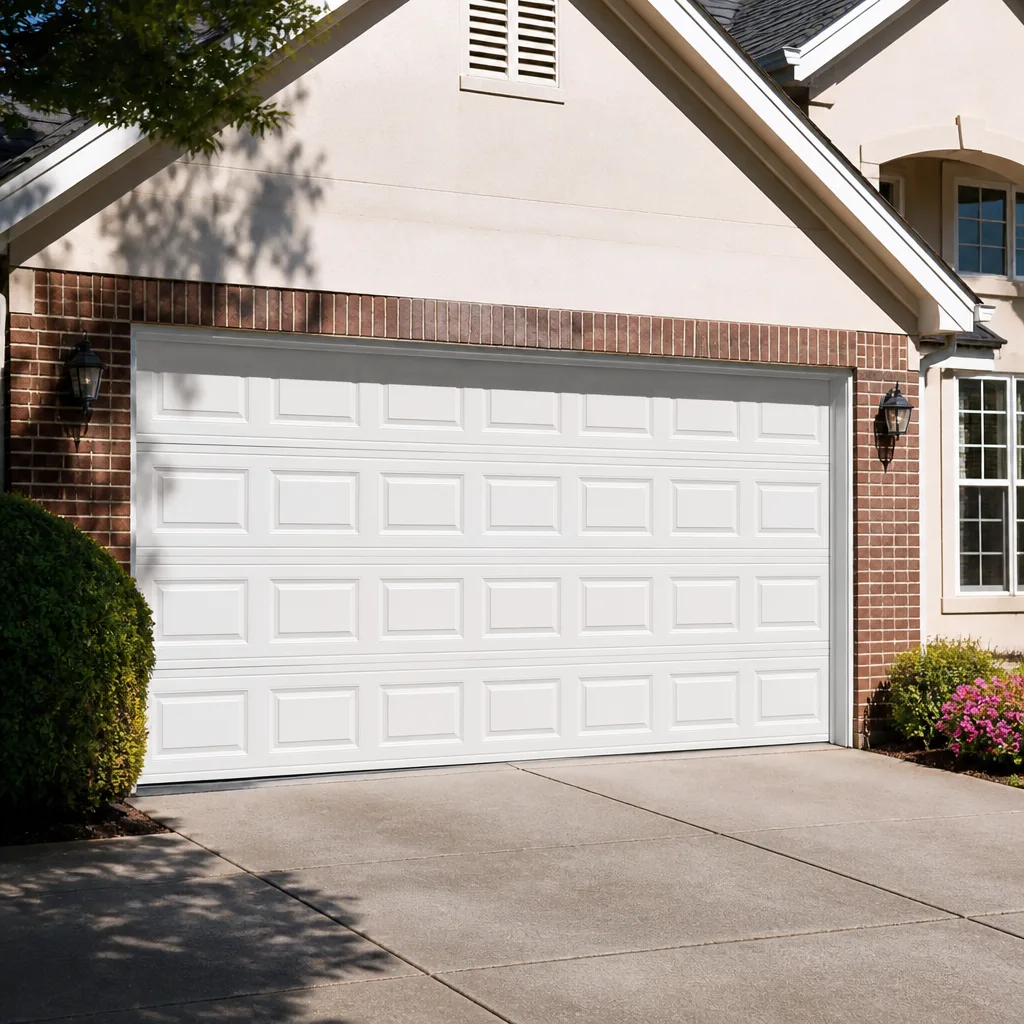 Raised-panel steel
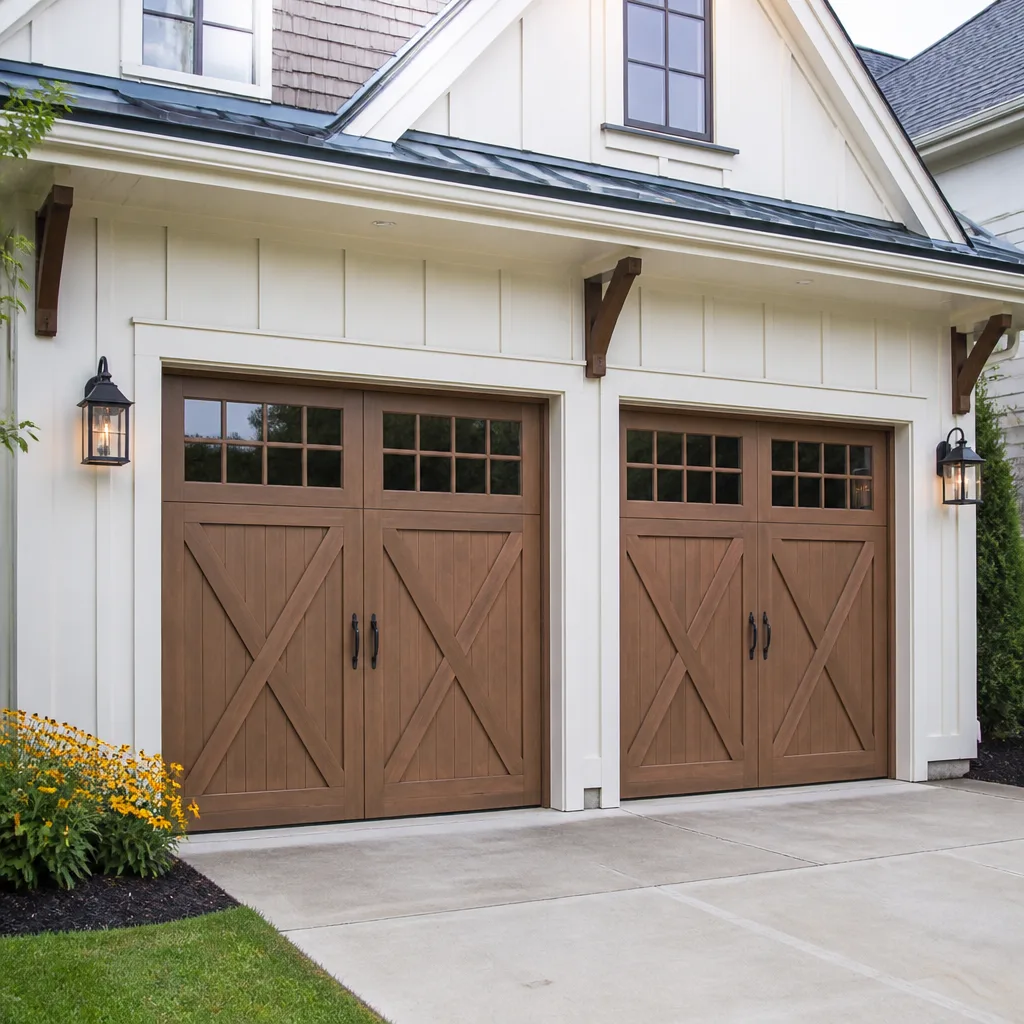 Carriage house
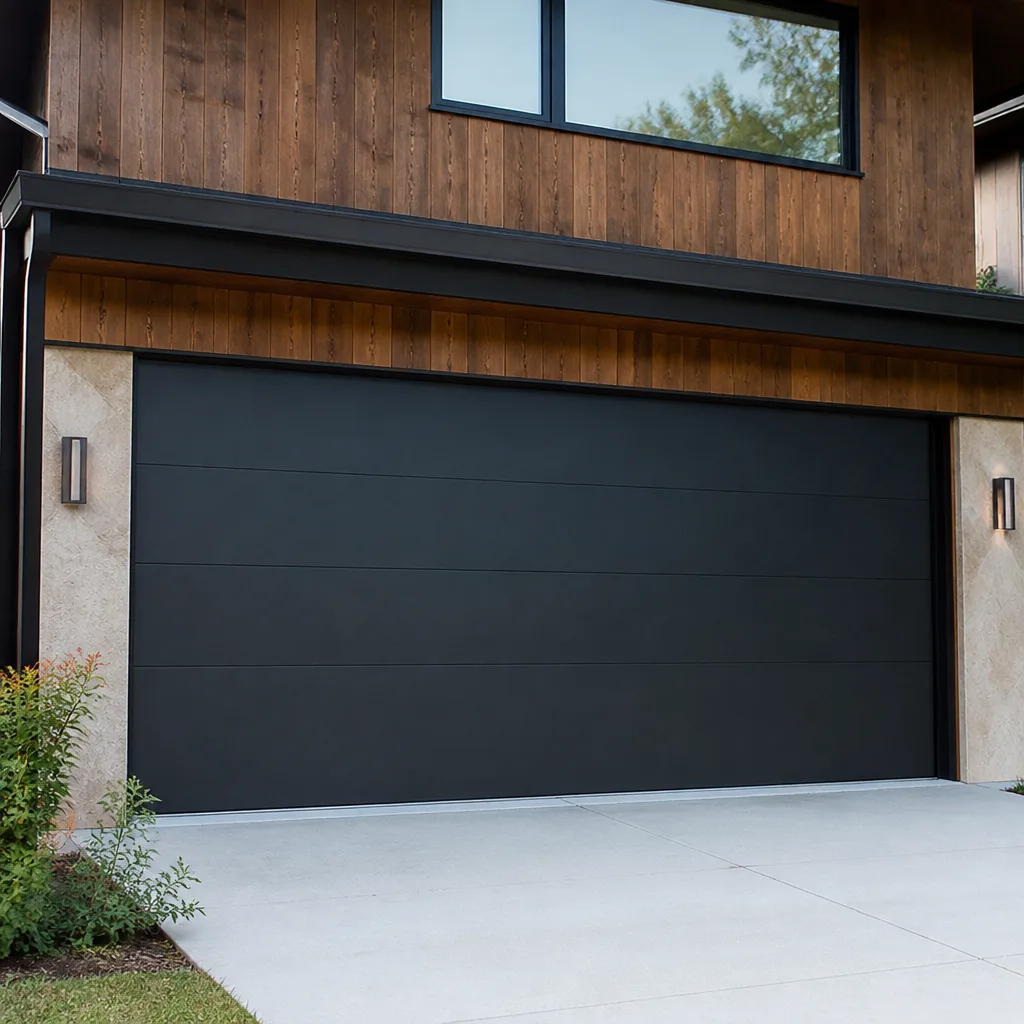 Modern flush
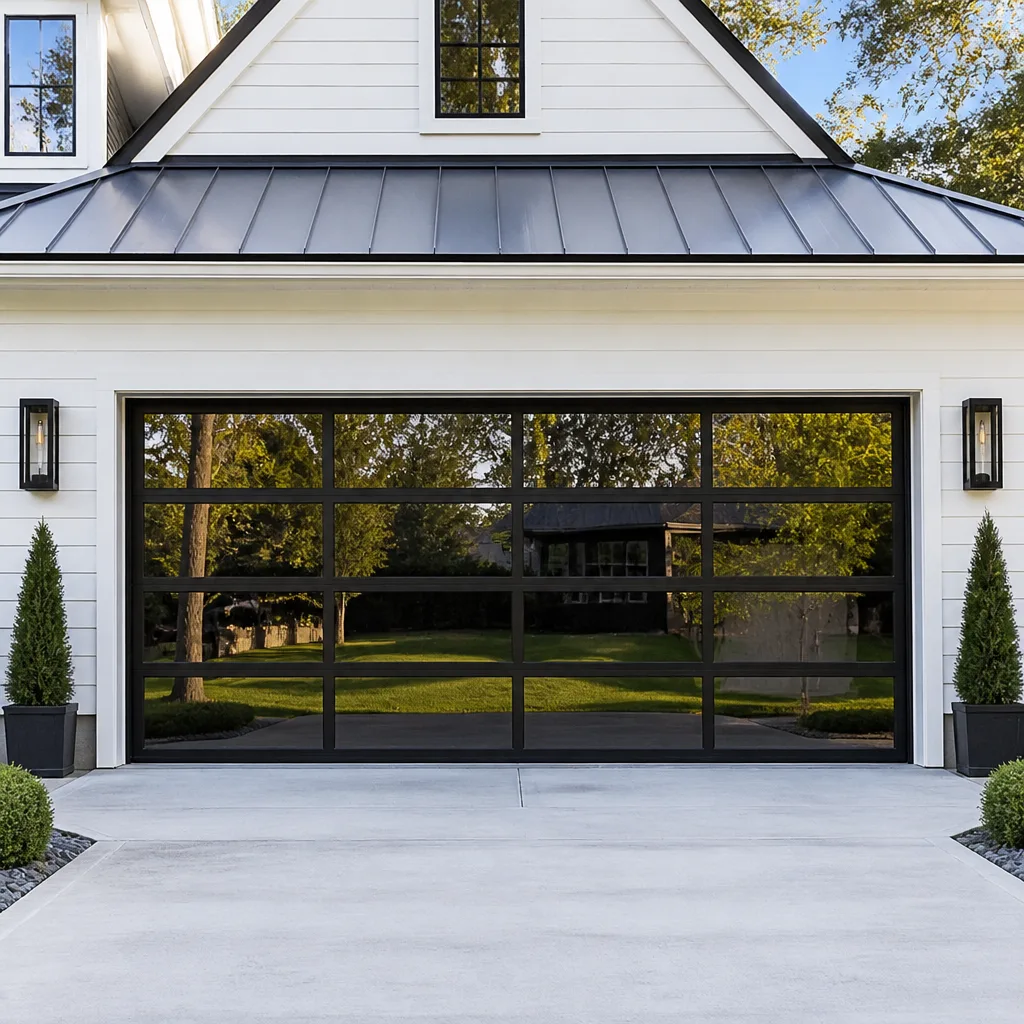 Full-view glass
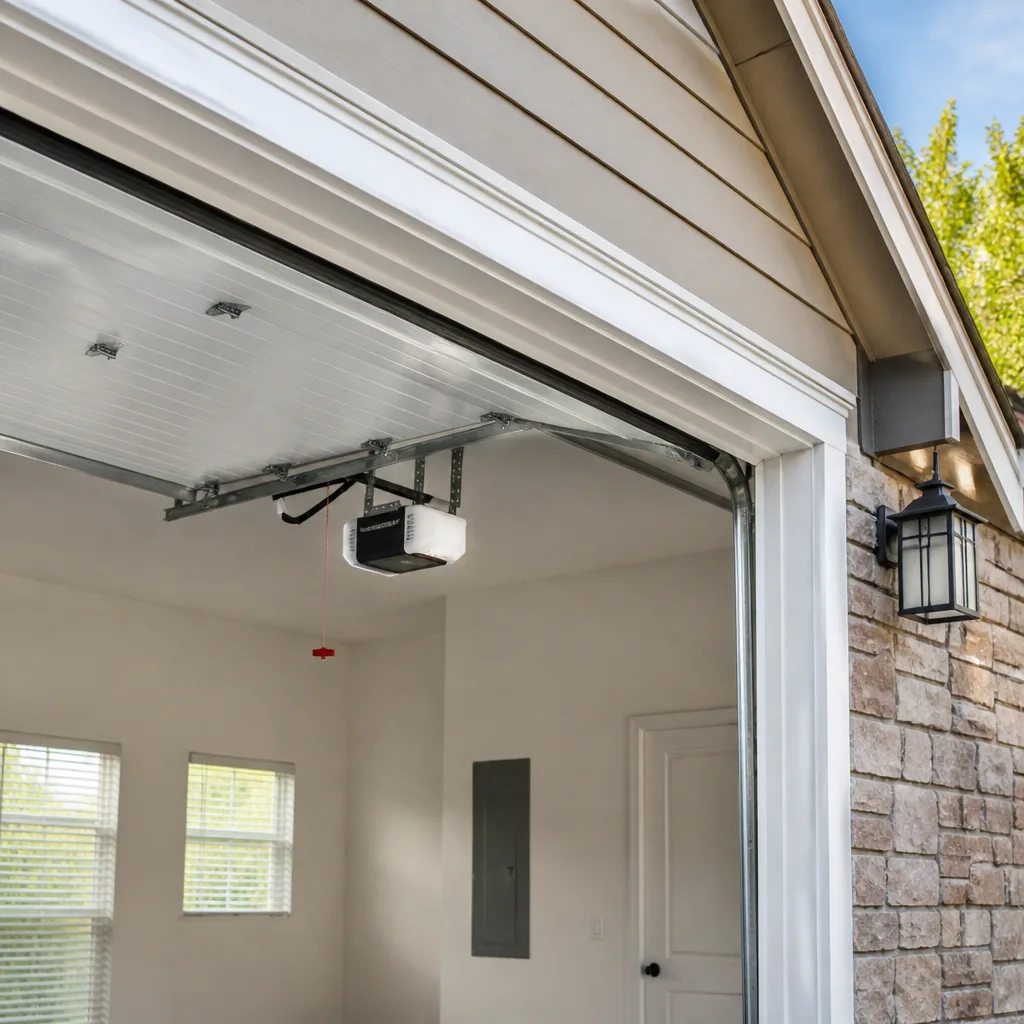 LiftMaster openers
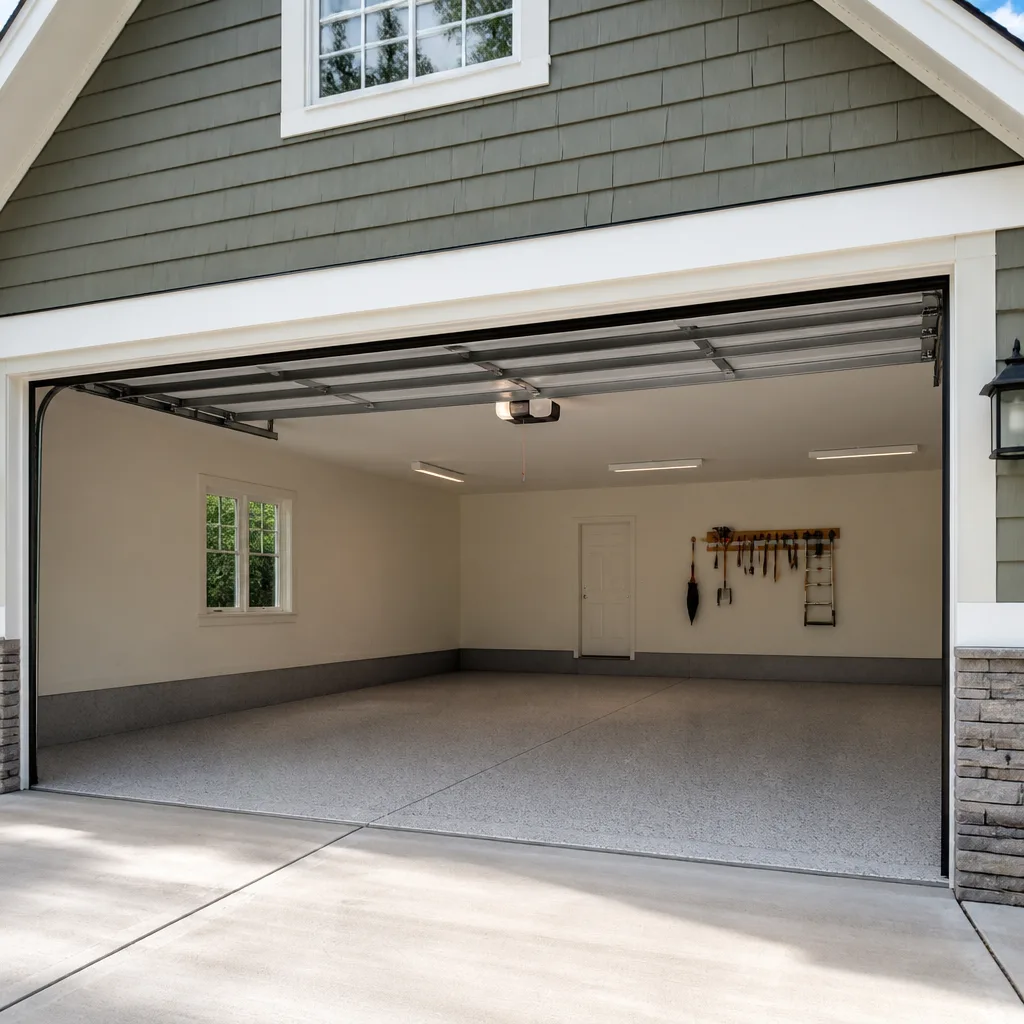 Chamberlain openers
Full 25-point door and opener safety check with every visit - springs, cables, rollers, tracks, and your LiftMaster or Chamberlain opener included
You get a price before we start. It does not change when the pro arrives.
Get your free estimateGarage Door Permits, Codes & Inspections in Jamaica, NY: What You Need to Know
Most Jamaica homeowners assume a garage door is a fixture you can swap out whenever you like. Here’s the part that surprises people: in New York City, replacing a garage door can be a permitted alteration, and a like-for-like repair usually isn’t. The line between the two isn’t obvious, and it has real consequences years later when an appraiser, an inspector, or a buyer’s attorney starts asking for paperwork. A refinance appraisal that flags an unpermitted door replacement can stall a closing and cost more to untangle than the door ever cost to hang. This guide walks through when NYC permits apply to garage door work, how the residential designations common across Jamaica affect what’s compliant, what an inspector actually checks, and how unpermitted work follows a house through insurance claims and sale disclosures.
Quick Answer
In New York City, a full garage door replacement generally requires a permit from the NYC Department of Buildings, while a repair that restores the existing door to its original condition usually does not. Work that changes the door’s size, headroom, material, or operating system is treated as an alteration and needs a filing. The safest rule for a Jamaica homeowner is simple: ask the contractor whether the job is a repair or an alteration, get that answer in writing, and confirm it with the DOB if there’s any doubt.
Styles & brands we work with
- Raised-panel steel
- Carriage house
- Modern flush
- Full-view glass
- LiftMaster openers
- Chamberlain openers
Table of Contents
- Repair or Replacement: When Does NYC Require a Permit?
- What the NYC DOB Actually Requires for Garage Door Work
- How Jamaica’s R3 and R4 Zoning Affects Your Door
- What an Inspector Checks During a Garage Door Inspection
- Self-Certification vs. Full Inspection: Which Filing Applies
- How Unpermitted Work Affects Insurance and a Home Sale
- Jamaica Weather, Housing Stock, and Long-Term Door Wear
- Common Mistakes to Avoid
Repair or Replacement: When Does NYC Require a Permit?
The distinction comes down to whether the work alters the building or simply maintains it. New York City’s building code treats a structural or dimensional change to a garage opening as construction work that needs approval. Swapping a broken spring, a snapped cable, a bent track, or a failed opener motor is maintenance, not construction. Replacing the entire door with one of the same size, weight class, and material in the same opening sits in a gray zone, and this is where most Jamaica permit questions start.
Here’s how we think about it in practice:
- Pure repair: Spring replacement, roller and hinge swaps, track realignment, opener motor replacement. No permit. The door stays as it was.
- Like-for-like replacement: A new door of identical dimensions going into the same header and jamb setup. Often treated as an alteration because the door assembly itself is replaced. Confirm with the DOB before assuming no filing is needed.
- Change of size or opening: Widening the opening, raising the header for a taller door, or converting a manual door to an automatic one. This is construction work and always requires a filing.
- Adding a new door where none existed: New opening in a wall, new garage bay, new door plus opener where a carport previously stood. Full filing territory.
For a Jamaica homeowner, the practical move is to ask the contractor to state in the written estimate whether a permit is included, required, or clearly not required, and why. A pro who does this work regularly in Queens will know the answer for your exact situation before the first screw goes in.
What the NYC DOB Actually Requires for Garage Door Work
The NYC Department of Buildings cares about three things on a garage door job: that the opening is structurally sound, that the door and its operator meet safety requirements, and that the work doesn’t create a hazard for pedestrians or vehicles on the property. The rules aren’t written into one garage-door-specific code section. They sit inside the broader building code and the electrical code that govern motorized openers, door assemblies, and egress.
A few concrete things that reliably come up:
- Structural attachment: The header, jambs, and track brackets must be anchored to framing that can carry the door’s weight and the spring’s force. An inspector will look for proper fasteners and sound framing, not sheetrock anchors.
- Operator safety: Automatic openers must have an auto-reverse function and, on modern units, a photoelectric safety eye at the floor. Older openers without these features may be flagged even if the door itself is fine.
- Clearances: The door has to clear the vehicles and pedestrians that use the space, and the surrounding structure has to stay clear of the moving door and track.
- Electrical work: If the job involves wiring a new opener or moving an outlet to power one, that electrical scope generally needs a licensed electrician and the electrical work is filed separately. This is a detail many Jamaica homeowners aren’t told up front.
When in doubt, call the DOB’s borough office for Queens before work begins. The answer you get in a five-minute call is worth more than any assumption either of us makes.
How Jamaica’s R3 and R4 Zoning Affects Your Door
Much of Jamaica sits in residential zoning districts, and R3 and R4 designations cover a lot of the housing stock here. Those designations control things like lot coverage, setbacks, and the height and size of accessory structures. In plain language for a garage door job, they affect which openings are legal, what size the opening can be, and whether the structure the door covers is even conforming in the first place.
Where this bites homeowners:
- Oversized openings: A previous owner may have widened a door opening without approval. When you go to replace the door, the inspector measures the opening and finds it doesn’t match what’s on record.
- Detached garages close to lot lines: In R3 and R4 districts the setbacks matter, and a detached garage sitting closer to a property line than the district allows can complicate permitting a full replacement.
- Door height related to the structure: Raising the header to fit a taller door changes the structure. In a tight R3 lot, that change can trip a zoning review that the homeowner never expected.
- Material and appearance rules: Some blocks and specific districts have additional design or material rules that regulate the visible face of a garage door. A door that matches the house style is safer than an unusual custom that draws a violation.
Before ordering a door on a Jamaica property that’s had work done over the years, pull the property’s Certificate of Occupancy and any recent filings from the DOB’s online records. If the records don’t match what’s physically there, resolve that gap before the new door arrives.
What an Inspector Checks During a Garage Door Inspection
An inspector reviewing garage door work is checking whether the door, the operator, and the surrounding structure meet the code requirements for safety and function. The checklist is fairly consistent. If you’re bringing a Jamaica home up to date, or filing a permit for a replacement, here’s what typically comes up during the walkthrough:
- Header height and opening dimensions: The header height is measured and compared to the filed plans. If the opening is different from what was submitted, the inspection is held until it’s reconciled.
- Clearances: The inspector confirms the door and its hardware clear vehicles, pedestrians, and any electrical boxes or gas meters near the opening. This is a frequent fix-it item on older Jamaica properties.
- Auto-reverse and safety eye function: The door is tested in operation. The auto-reverse must engage and the photoelectric eye must reverse a closing door when the beam is broken.
- Springs and cables: The inspector checks that the springs and cables are properly sized, mounted, and covered where the code requires covering. This is where tension on a DIY install often shows.
- Operator attachment and labeling: The opener must be attached properly and carry its listing marks. A used or unlisted opener is a red flag.
- Structural attachment: Fasteners, brackets, and the framing behind them are checked for soundness.
- Final sign-off items: Work that involved electrical changes is cross-checked against the electrical filing, and the job can’t be signed off until both are closed out.
The short version: an inspector is looking for the same things a good technician checks before leaving. If a door was installed cleanly, the inspection is usually routine. If the installer cut corners on the header or the opener wiring, the inspector will find it.
Self-Certification vs. Full Inspection: Which Filing Applies
New York City allows some work to be filed under a professional certification process by a registered design professional, and other work to go through the standard plan examination and inspection path. Which path applies depends mostly on the scope and complexity of the job, and on how confident the filing professional is that the work clearly meets the code without extended review.
The distinction in plain terms:
- Self-certification: A registered architect or professional engineer signs off that the work complies with the code and takes professional responsibility for that statement. The DOB can audit these filings, and if the audit fails, the signer carries the liability. Self-certification tends to fit smaller, clearly compliant alterations.
- Full plan examination and inspection: The plans are reviewed by DOB examiners and the work is inspected on site by a DOB inspector. This path is required for larger, more complex work or work in certain buildings.
For a garage door job, self-certification can sometimes cover a like-for-like replacement that doesn’t change the structural conditions. But if the opening is changing, the header is moving, or the work is inside a building that requires additional review, the full examination path is more likely. The choice belongs to the licensed professional who files the job. A homeowner’s job is to make sure the filing actually happens, keep a copy, and confirm the job is signed off when the work is complete.
How Unpermitted Work Affects Insurance and a Home Sale
Unpermitted garage door work follows a house for years. Insurance companies look closely at whether the items they’re covering were installed legally, because a claim on unpermitted work can be complicated, disputed, or excluded depending on the policy and the loss. And on the sale side, a Queens County property disclosure requires the seller to tell the buyer about alterations made without the required permits. That disclosure obligation is where a lot of deals slow down.
The mechanics are usually the same:
- During a refinance appraisal: The appraiser notes discrepancies between the property records and what’s actually on the property. An unpermitted door replacement can show up as an “as-is” condition, and the lender may require it to be resolved before funding.
- During a buyer’s inspection: An inspector who notices the door assembly looks new will ask for permits. If none exist, the buyer’s attorney asks the seller to pull the permits retroactively or to reduce the price.
- During a claim: If the door is damaged and the insurer learns the installation wasn’t permitted, the claim may be delayed while coverage is verified or denied outright.
- During a title search: Open permits on the property can block a clean title. A permit that was pulled but never signed off is worse than a permit that was never pulled, because it’s visible in the record.
Retroactive permits are possible in some cases but usually involve a penalty fee, an inspection of the existing work, and in the worst case, opening the structure to confirm compliance. That process is far more expensive and stressful than filing a permit before the work starts. For a Jamaica homeowner, the small upfront cost of a permit is the best insurance policy on a garage door job.
Jamaica Weather, Housing Stock, and Long-Term Door Wear
Jamaica’s climate is a real factor in garage door wear, and it interacts with the permit question in a specific way: work done once and done right holds up; work done quickly to save a permit often doesn’t. The summers here run hot and humid, and the winters bring freeze-thaw cycles to driveways, sidewalks, and door tracks. That cycle moves wood framing and metal hardware, which slowly loosens attachments and misaligns tracks.
What that means in practice for Jamaica homeowners:
- Springs fatigue faster in temperature-cycling climates. A properly specced torsion or extension spring is more critical here than in milder zones. When a spring is replaced with an undersized one to save a few dollars, it fails again in a fraction of the expected lifespan.
- Tracks go out of plumb over a few seasons. A door that’s aligned in April can bind in July or December. Service technicians who work in Queens regularly see this pattern.
- Wood door panels swell and split in prolonged humidity. Clopay, Amarr, and Wayne Dalton all offer steel and composite panels designed for this kind of climate, and a door matched to the local conditions lasts noticeably longer than a generic pick.
- Opener motors work harder in freeze-thaw conditions. A Genie or LiftMaster unit with the correct torque rating for the door’s weight handles stuck-in-track conditions better than an underpowered unit.
When a Jamaica homeowner is filing a permit for a replacement, the door and hardware spec in that filing should reflect local conditions. A door that meets code but is wrong for the climate is a door that fails inspection two winters later for a different reason.
Why Garage Door Work Belongs With a Trained Technician
The springs, cables, and counterbalance system that hold a garage door up are under serious stored tension, and they should only be handled by a trained professional. This isn’t a warning to scare people; it’s the reason reputable technicians treat every spring job with specific handling and safety procedures. A torsion spring or a loaded extension spring can cause severe injury if it releases unexpectedly, and there’s no safe way for a homeowner to gauge that risk on a door that’s already misbehaving.
What a trained technician does safely, and what a homeowner shouldn’t:
- Releasing tension: Springs must be de-tensioned in a controlled way with the right tools before any component is removed.
- Assessing the cables: Cables under tension that have frayed or slipped can snap with force. A technician checks the cable end fittings and the drum wrap carefully.
- Reading the opener’s fault codes: Modern openers (LiftMaster, Chamberlain, Genie, Craftsman) log specific fault codes that tell a technician what failed. Guessing wrong and swapping parts is expensive.
- Structural repairs: A bent track or a sagging header isn’t a DIY fix. Structural issues need proper reinforcement, not a longer screw.
If you’re filing a permit for replacement or working through an inspection, the technician who does the install should be able to walk you through the safety features on the door, the spring tension setup, and the auto-reverse test. If they can’t, that’s a signal to get a second opinion before signing.
Common Mistakes to Avoid
- Assuming a like-for-like replacement needs no permit. This is the mistake that trips up the most Jamaica homeowners. A door that looks identical isn’t automatically exempt, and the DOB’s view of “alteration” is broader than most people expect. Ask before you order.
- Filing for a permit but never getting the final inspection signed off. An open permit is worse than a missing one because it’s visible in the DOB’s records and blocks closings. Confirm the sign-off in writing when the work completes.
- Hiring a low-bid installer who “handles it.” The lowest bid is usually the one that skips the filing. Confirm the permit is in the contract, not a verbal promise.
- Letting a contractor self-certify a job that clearly needed full review. If the opening size or header height is changing, a self-certified filing risks the job being audited and flagged. Ask the filing professional which path they’re using and why.
- Ignoring the property records before ordering a door. If the existing opening doesn’t match the Certificate of Occupancy, the permit filing will surface it. Pull the records first so the job isn’t held up at the last minute.
- Skipping the electrical filing on an opener swap. If moving or adding an outlet is part of the job, that electrical scope needs its own filing and a licensed electrician. Homeowners frequently don’t find this out until the inspection.
- Not saving the paperwork. The permit, the inspection sign-off, and the door spec sheet are the three documents you’ll want at sale time. Keep them with the deed.
See the difference
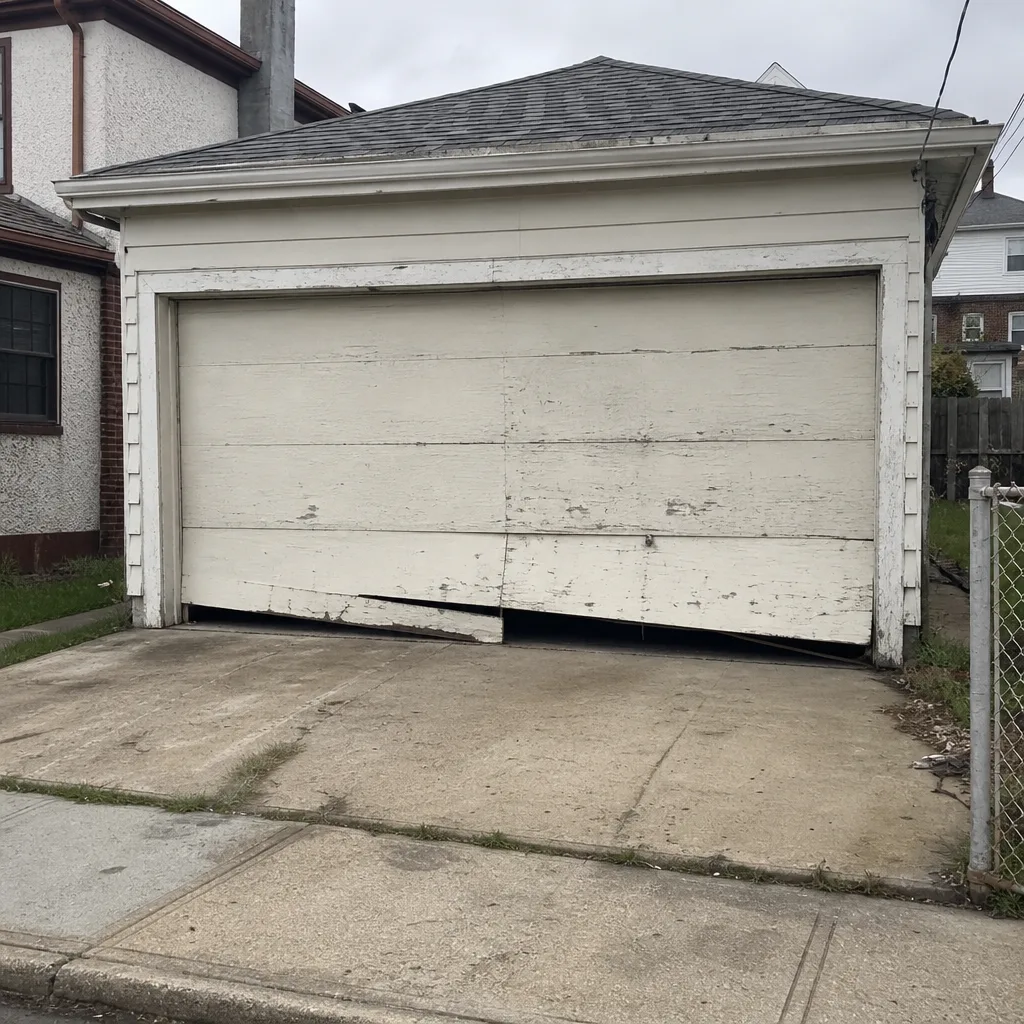 Before
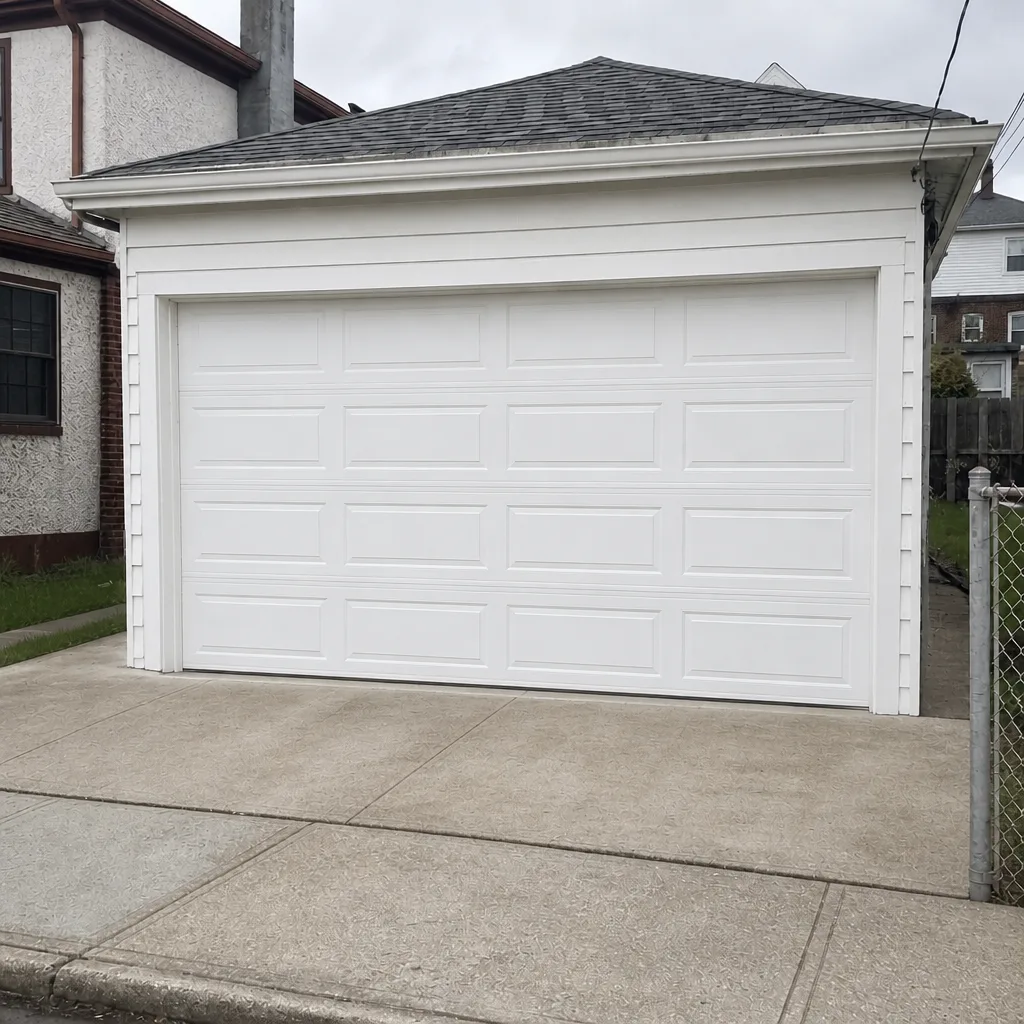 After
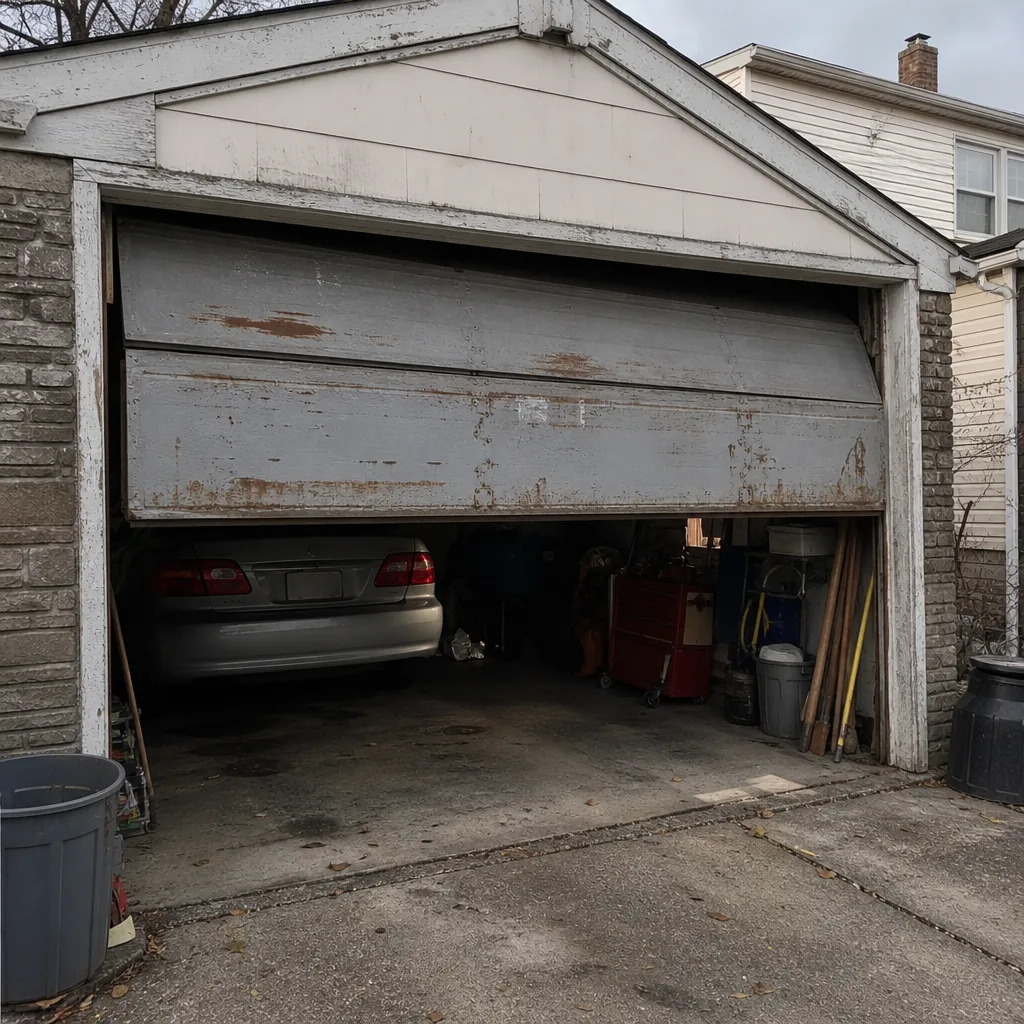 Before
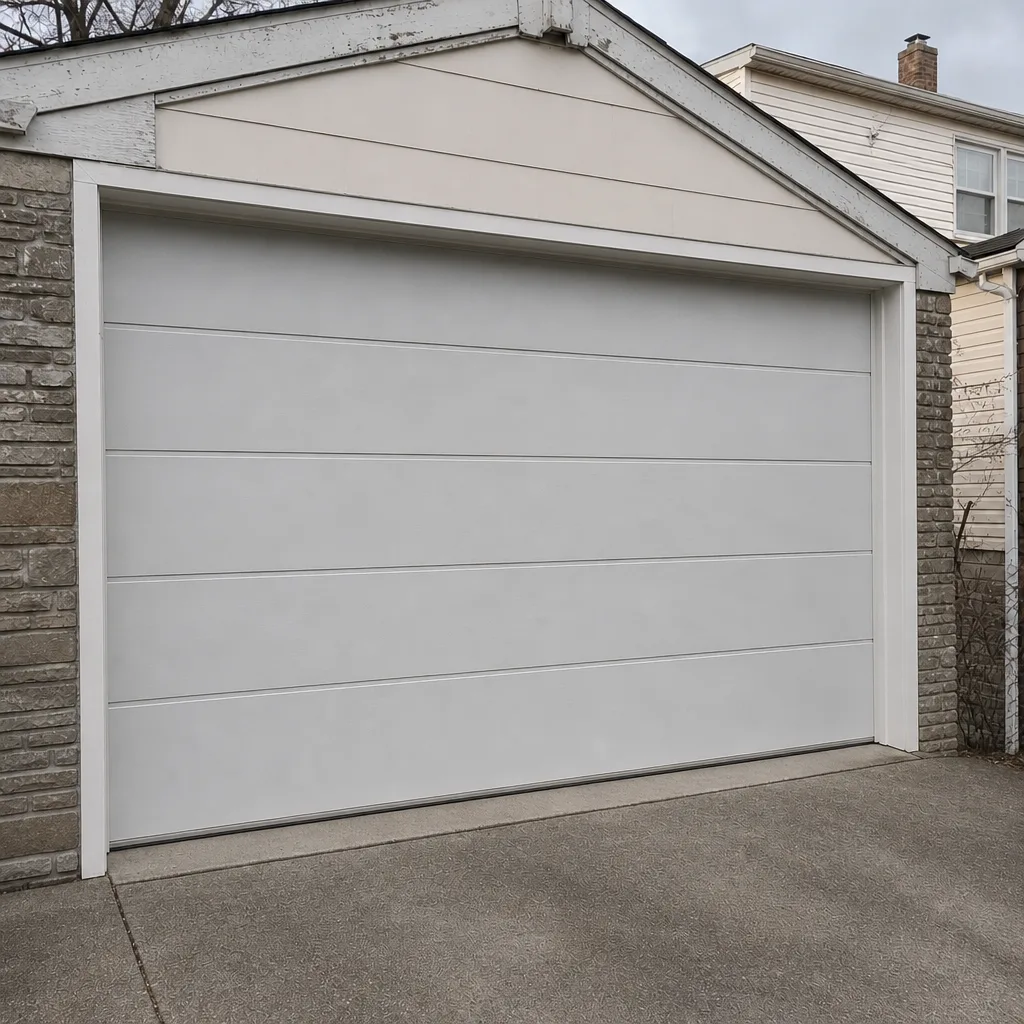 After
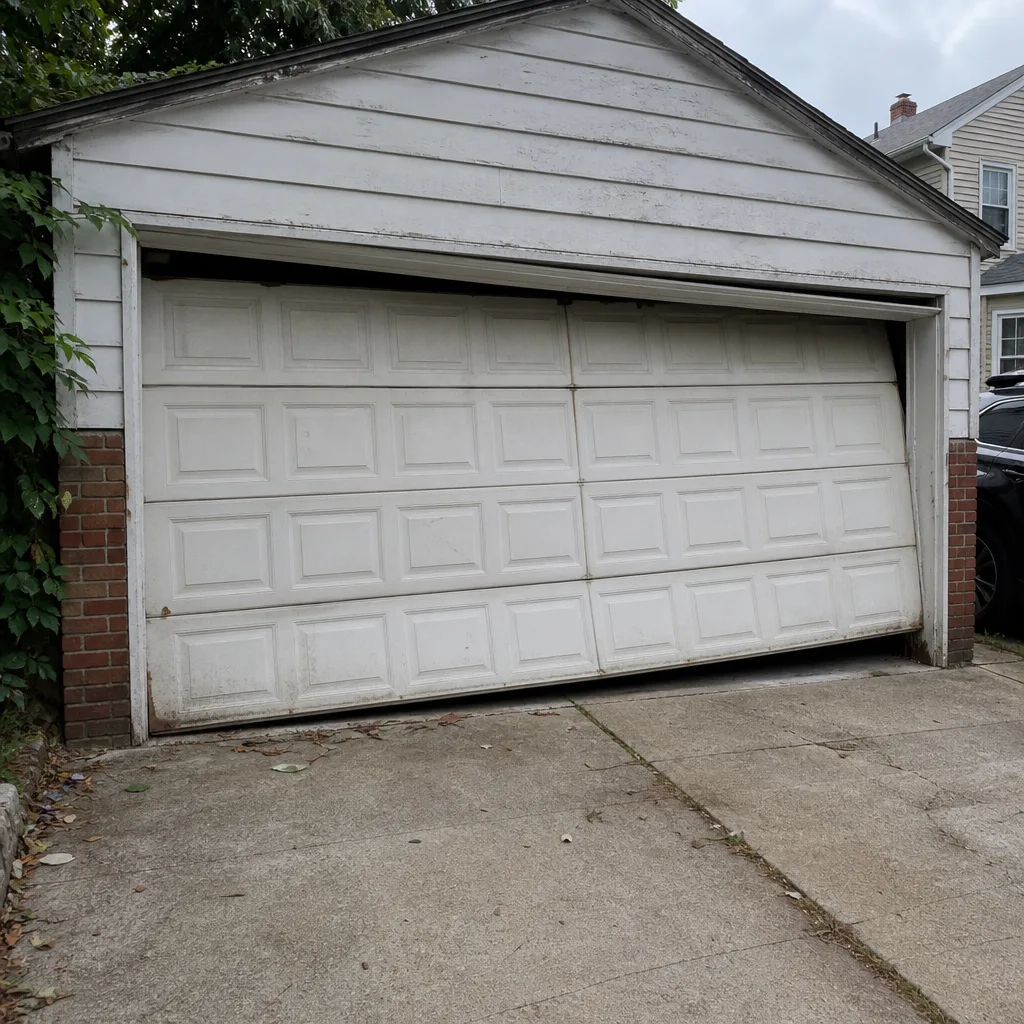 Before
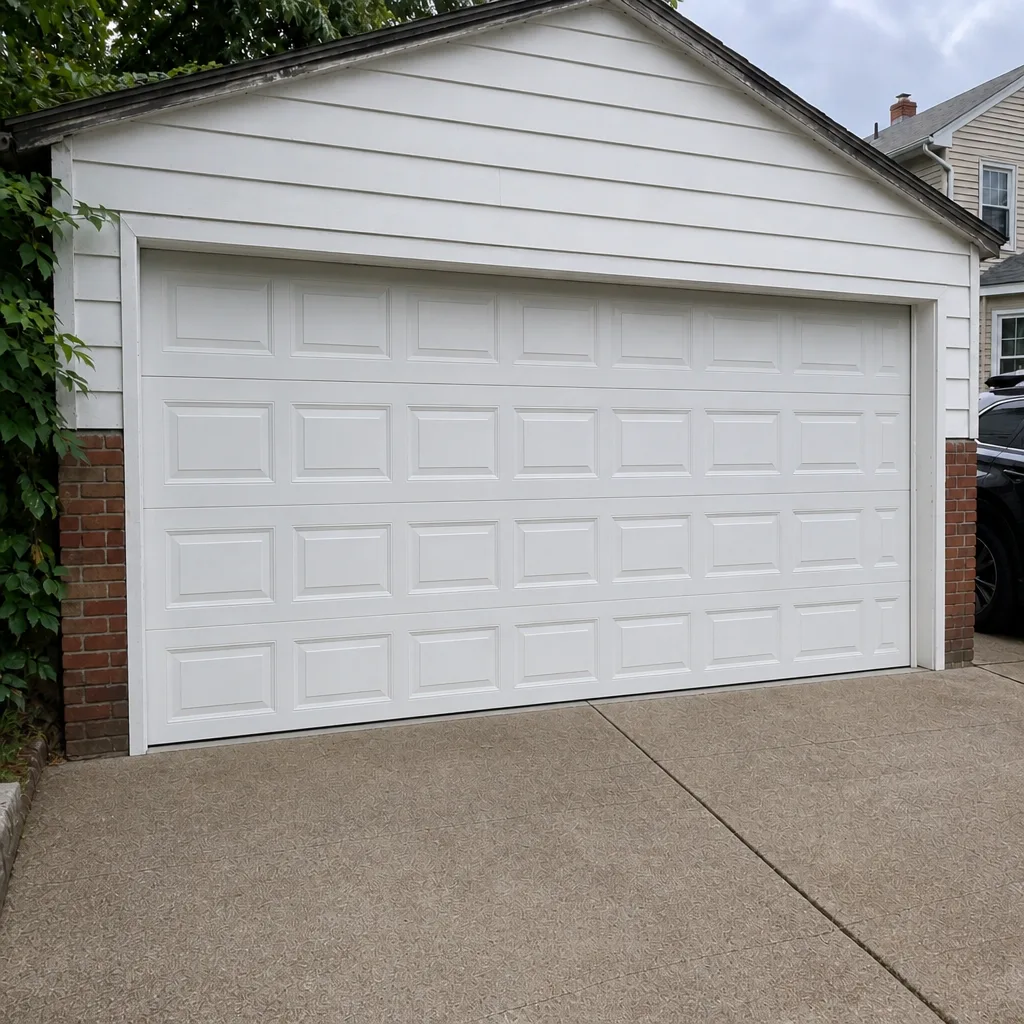 After
When to Call a Professional
Call a professional before you order a new door or authorize a replacement, not after. If you’re unsure whether a repair crosses into an alteration, that’s a question for a technician who works with the DOB process regularly, not a question for a forum. If a spring has snapped, a cable has frayed, or an opener has failed, that’s a same-day repair situation and doesn’t involve a permit, but it does need a trained technician. If a door is stuck open or closed, an unpermitted previous install is suspected, or the property has an open permit on record, we can talk through the situation and what the next step looks like. Jamaica Garage Door Repair offers free estimates in Jamaica. Call (877) 792-6197 to schedule one.
Frequently Asked Questions
Generally, yes, a full replacement is treated as an alteration and requires a permit from the NYC Department of Buildings, though repairs that restore the existing door to its current condition usually do not. Because the distinction depends on the exact scope, confirm with the DOB before work starts. Call (877) 792-6197 for a free estimate and we can walk you through what your specific job involves.
Yes. A repair, such as a spring replacement, opener swap, or track realignment, typically does not require a permit because it restores the existing assembly. A replacement generally does require a filing because the door assembly is being replaced. The safe move is to confirm the classification in writing before authorizing work.
An NYC inspector checks header height and opening dimensions against the filed plans, clearances around the door, auto-reverse and photoelectric safety eye function, spring and cable condition, opener attachment and listing, and structural attachment of the tracks and brackets. Electrical work on the opener is checked against its own filing. The job isn’t signed off until all items pass.
Yes. Under Queens County property disclosure requirements, a seller must disclose alterations made without required permits, and an open permit can block a clean title. A buyer’s attorney will ask for permits when a door looks recently replaced. Resolve the paperwork before listing rather than during attorney review.
Self-certification is filed by a registered design professional who signs off that the work meets code and carries professional responsibility for that statement. Full inspection goes through DOB plan examination and on-site inspection. Simpler like-for-like replacement may be self-certifiable, but a change in opening size or header height typically requires the full path.
R3 and R4 designations control lot coverage, setbacks, and accessory structure sizes, and those rules can affect whether an opening is legal, how large it can be, and whether the structure is conforming. A door that changes the opening size or raises the header can trigger a zoning review. Check the property’s Certificate of Occupancy before ordering a door on a Jamaica home that’s had prior work.
The Bottom Line
The rule for Jamaica homeowners is simple: a garage door repair typically doesn’t need a permit, and a full replacement usually does. When the opening, header, or structure changes, treat it as construction and file accordingly. Get the permit question answered in writing before work starts, keep the paperwork when it’s signed off, and never hire the lowest bidder who offers to “handle it.” For repairs that don’t require a permit but do need a trained technician, our team is here. For anything else, Jamaica Garage Door Repair can help you through the process, whether that means garage door repair, garage door opener repair, or a properly filed garage door installation. Our technicians have up to 12 years of experience, and we work on the brands you already own.
Contact Us
If you’re facing a permit question, a failed inspection, or a door that needs a trained technician, call Jamaica Garage Door Repair at (877) 792-6197 for a free estimate. We’ll walk through the scope, explain what the job involves, and give you a written price before any work starts.
Written by the team at Jamaica Garage Door Repair.