Last updated November 21, 2026
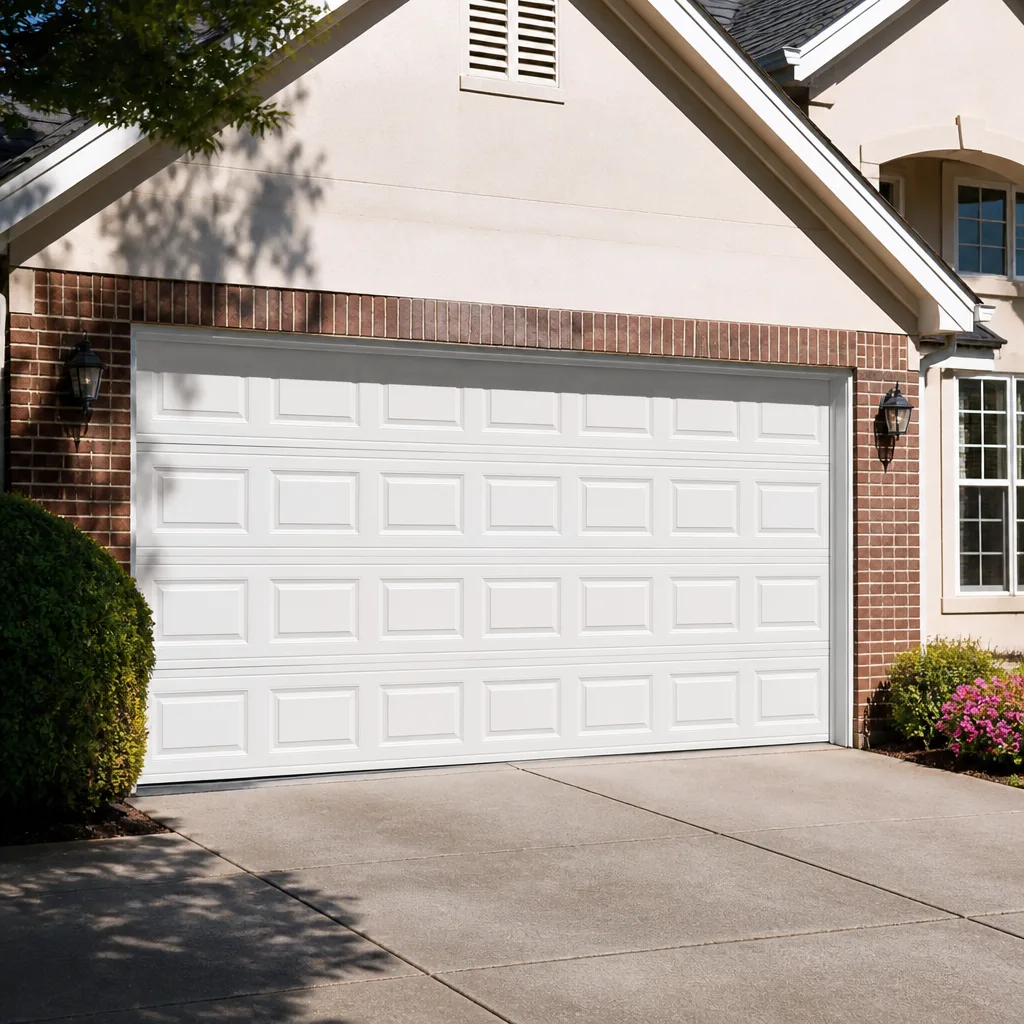 Raised-panel steel
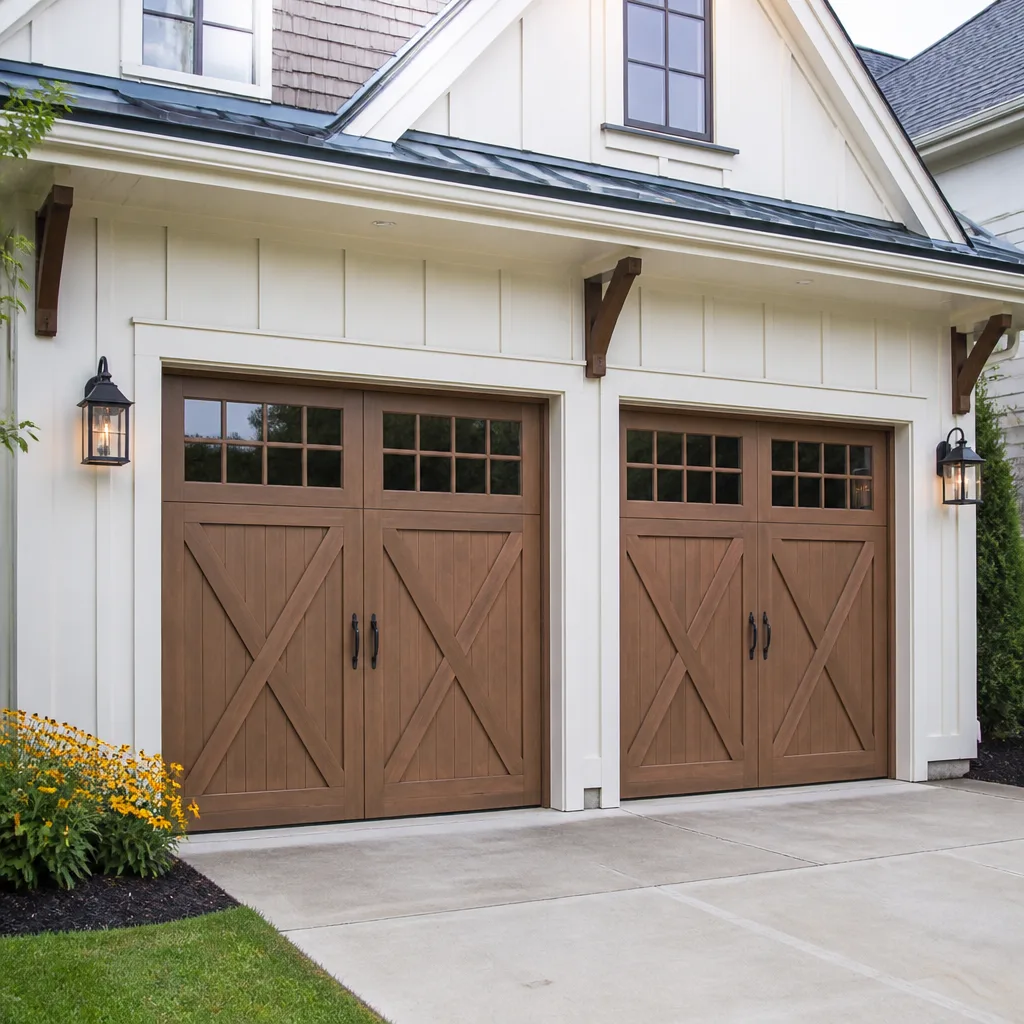 Carriage house
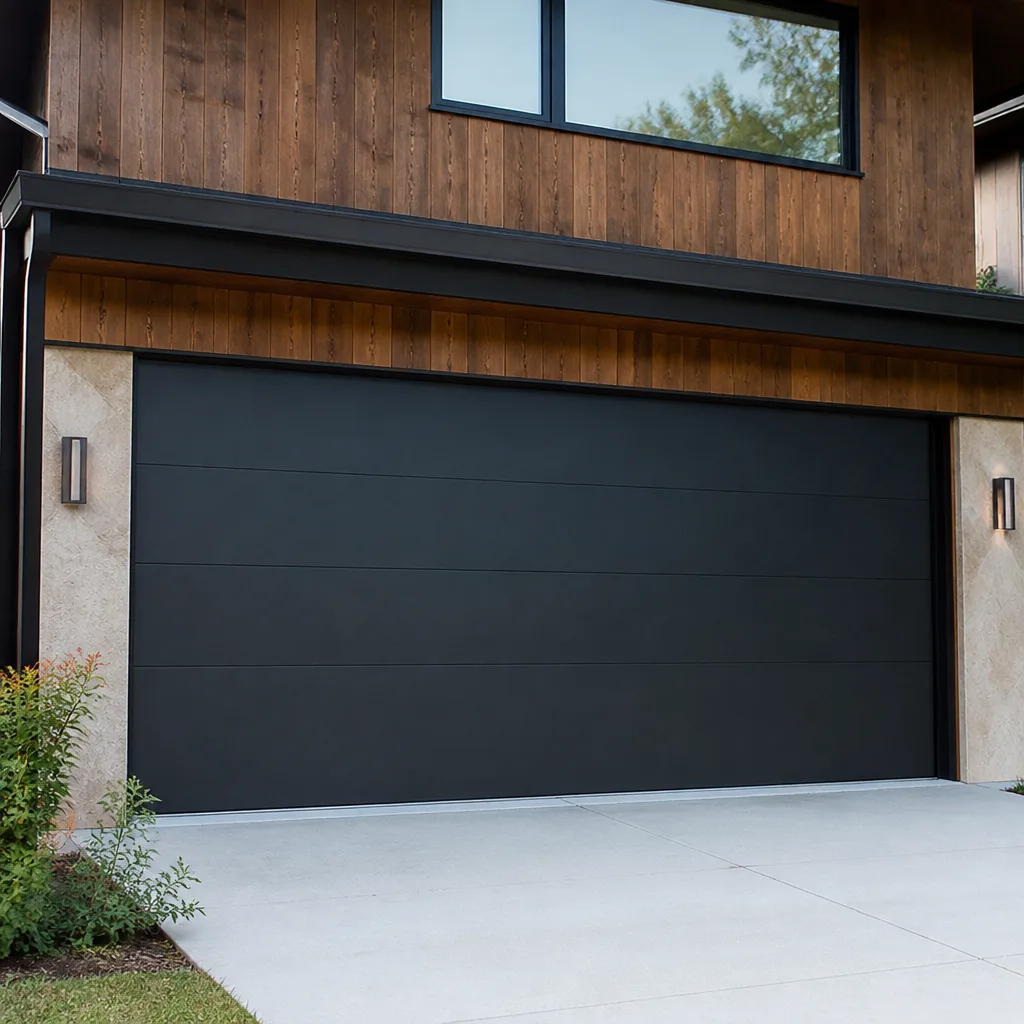 Modern flush
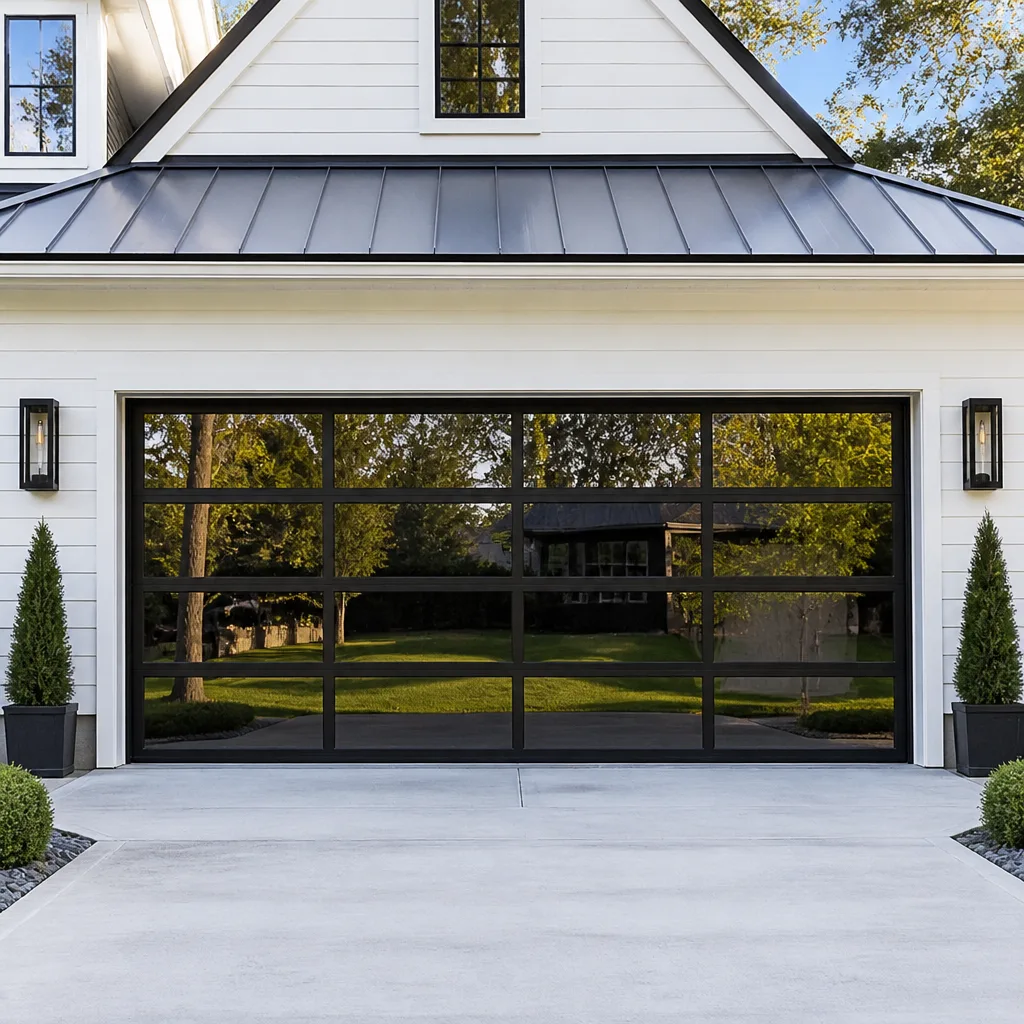 Full-view glass
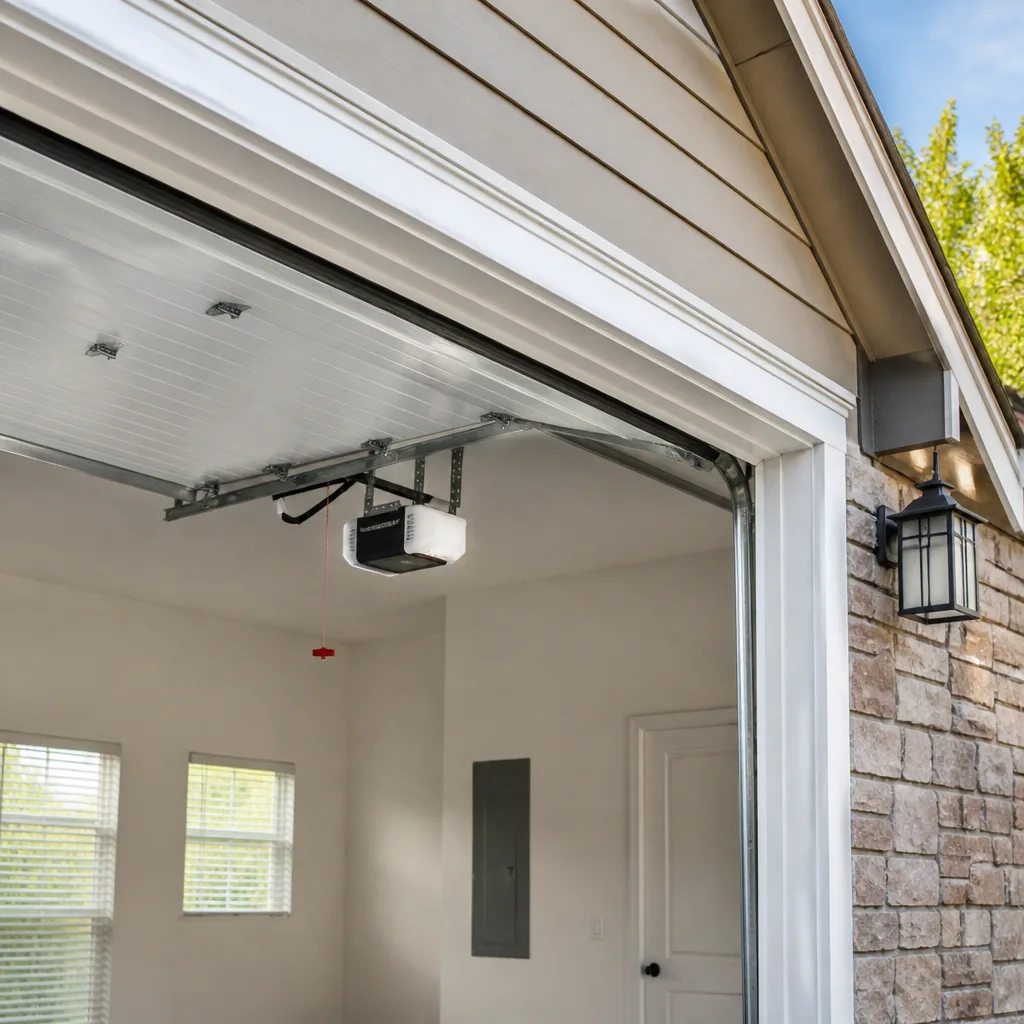 LiftMaster openers
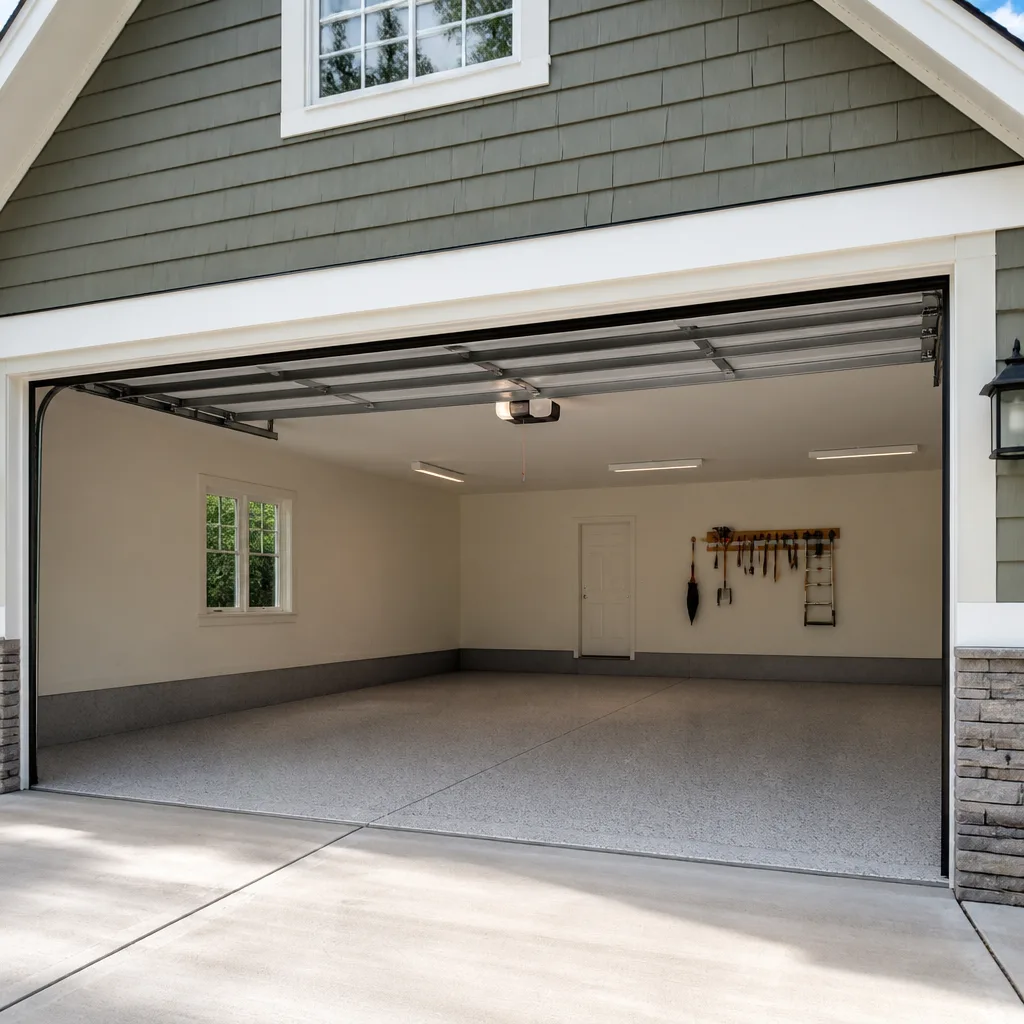 Chamberlain openers
Full 25-point door and opener safety check with every visit - springs, cables, rollers, tracks, and your LiftMaster or Chamberlain opener included
You get a price before we start. It does not change when the pro arrives.
Get your free estimateGarage Door Repair Maintenance Schedule: What to Do and When
Lubricating your garage door every month isn’t diligent. It’s how you attract grit, gum up rollers, and create the exact friction you were trying to prevent. Most maintenance guides handed to homeowners are written for commercial doors that cycle dozens of times a day. Yours cycles maybe four times on a busy day and two on a quiet one. The intervals that keep a warehouse door alive will over-service your door and, in a couple of spots, actively shorten the life of parts. This guide lays out a realistic three-tier schedule built around actual wear: what you handle every six months, what belongs on a yearly check, and what a technician should look at every two to three years. We’ll also cover which lubricant goes where, which parts to leave dry, and how a plain Jamaica, NY seasonal rhythm changes what your door needs.
Quick Answer
For a typical home garage door, you should lubricate the hinges, rollers, and torsion springs about every six months, test the balance and safety reverse once a month, and have a technician inspect springs, cables, and opener force settings every two to three years. Monthly lubrication is overkill and can cause problems; the six-month mark is the realistic target for a door used a few times a day.
Styles & brands we work with
- Raised-panel steel
- Carriage house
- Modern flush
- Full-view glass
- LiftMaster openers
- Chamberlain openers
Table of Contents
- Why Monthly Lubrication Does More Harm Than Good
- Tier One: What to Do Every Six Months
- Tier Two: The Annual Garage Door Check
- Tier Three: The Two-to-Three-Year Technician Inspection
- Which Lubricant Goes Where (and What to Leave Dry)
- How to Run a Balance Test and Force Test in Under Five Minutes
- Seasonal Adjustments for Jamaica, NY
- How to Log Maintenance So Wear Patterns Get Caught Early
Why Monthly Lubrication Does More Harm Than Good
The advice to lubricate monthly gets repeated because it sounds like it can only help. It can’t. Every application of lubricant is a magnet for dust, pollen, and road grit, and in a residential door those contaminants get pulled into hinges and roller bearings faster than the parts wear out on their own. When you reapply every month, you’re layering fresh oil over grit that never washed away. The result is a gummy paste that thickens in cold weather and turns a quiet door into one that grinds.
Outside of lubrication, the real insight is that your door has three different maintenance clocks running at once. The balance and safety reverse need testing often because those are safety features and can drift. The moving parts need service on a wear-cycle basis, not a calendar one. And the springs, cables, and opener internals need professional eyes at longer intervals because the failure modes there are structural, not cosmetic. The professional logic behind this article comes straight from the field.
Understanding which clock applies to which component is what separates a door that lasts twenty years from one that needs a call to a garage door repair technician at year five. Over-lubricating is the single most common self-inflicted problem we see, and it’s entirely avoidable once you know the right interval.
One number to anchor on: a typical residential door cycles about four to six times a day for a two-car household. Six hundred to eleven hundred cycles a year. Lubricant applied twice a year covers that load fine. Monthly means you’re reapplying roughly every fifty cycles, which is a commercial schedule for a residential door.
Tier One: What to Do Every Six Months
The six-month job is the one you can do yourself in about fifteen minutes. It covers lubrication, a visual pass, and a listen. Most of the work is just paying attention to something you normally ignore.
Here’s the six-month sequence:
- Pull the door down manually (disconnect the opener first) and listen for clicks, squeaks, or grinding from the tracks, hinges, and opener rail.
- Wipe each hinge and roller stem with a clean rag before applying anything. Fresh lubricant over grit is worse than no lubricant.
- Apply a light coating of white lithium grease or silicone spray to the hinge pivots, the roller stems (not the roller face), and the torsion spring coils.
- Wipe the vertical and horizontal tracks with a dry cloth. Never spray lubricant into the track itself; the rollers need to roll, not slide.
- Look at the lift cables on both sides. If either looks frayed, kinked, or has a birdcage twist, stop using the door and call a professional. Cables under tension can cause serious injury.
- Check the photo-eye safety sensors at the base of the tracks. Wipe the lenses clean and confirm both indicator lights are steady.
- Close the door and watch the bottom seal. If it’s cracked, torn, or separating from the bottom section, it needs replacing before the next season.
You should also tighten any hinge or roller bracket screws you find loose during this pass. Vibration from normal use loosens them gradually, and a single missing bolt can let a hinge twist and bind. A screwdriver and a wrench handle this in two minutes and prevent a much bigger problem later.
In Jamaica, NY, homes tend to run doors more often in summer and less in winter. That alone is worth remembering, because the six-month interval catches both a spring prep and an autumn prep without over-servicing either.
Tier Two: The Annual Garage Door Check
Once a year, you go a layer deeper. The annual check is about spotting wear before it becomes failure, and you can do most of it yourself with a ladder and a flashlight.
This is the annual checklist:
- Panel inspection – walk the door and look for dents, rust spots at the bottom, and any separating seams. Wood doors need a paint touch-up where it’s flaking.
- Spring condition – look for gaps in the coil, a stretched section, or rust. Torsion springs are the highest-stress part of the door and worth a visual check even if they’re still working.
- Roller condition – a roller that has flat spots, cracked nylon, or heavy rust should be replaced. Rollers are cheap; letting a bad one run in a track wears the track.
- Weather seal integrity – the bottom threshold seal and any side or top seals. In Jamaica, NY, humidity and repeated freeze-thaw cycles take a toll on rubber seals faster than people expect.
- Hardware check – all hinges, brackets, and the bottom bracket plate. Tighten anything loose. Never adjust the bottom bracket or the lift cables themselves; those carry the door’s full weight.
- Opener force and travel – run the door and watch where it stops. If it doesn’t fully close or reverses without contact, the force setting needs adjustment.
The annual check is also when you should test the safety reverse with a solid object. Place a piece of wood on the ground in the door’s path and run the door down; it should reverse on contact. If it doesn’t, that’s a safety issue and needs a call, not a delay.
Brand familiarity matters at this stage too. If you have a LiftMaster or Chamberlain opener, the force settings use the same dials or digital menus, and knowing the brand means knowing where to look. If your opener is a Genie or Raynor, the adjustment location and procedure differ. We work on all of these, which is why an annual check by a technician who already knows your brand is faster than a generalist.
Tier Three: The Two-to-Three-Year Technician Inspection
The two-to-three-year inspection is where a professional catches what the naked eye can’t. This is the tier that saves the door, and it’s the tier most maintenance schedules leave out entirely.
Here’s what a trained technician actually checks:
- Spring tension and wear measurement. A technician measures the spring’s current tension and compares it to the door’s weight. A spring that’s lost tension is running the opener harder than it should, and that shortens the opener’s life.
- Cable condition and drum wind. Cables rarely fail without warning; they fray, kink, or shift on the drum long before they snap. This check catches them in that window.
- Opener drive system. Belt, chain, or screw drive, the internal components wear differently. A technician opens the housing and checks the drive gear, limit switches, and the logic board for signs of heat or component stress.
- Track alignment and plumb – the vertical tracks can drift out of plumb over years, and a slight misalignment wears rollers and hinges much faster than normal use.
- Hinge and bracket fatigue. Metal fatigues at the pivot points, and a hinge that’s been flexing for years can develop a hairline crack that’s invisible at a glance.
- Door balance re-test and any adjustments. A trained hand catches subtle imbalance that a homeowner’s tug-of-war test misses.
For doors in Jamaica, NY that are 10 years or older, this inspection is worth doing every two years rather than every three. The seasonal humidity and freeze cycles we get here put more stress on hardware than a dry climate does. If a technician finds wear on a spring or cable, our dedicated spring repair service handles the failure directly rather than handing it off. Beyond that, we also handle garage door opener repair when the drive system shows its age.
The two-to-three-year cadence is also a good time to think about whether the door itself needs replacing. A trained inspection will tell you honestly whether the door is worth a repair or whether a replacement makes more sense. That’s a conversation, not a sales pitch.
Which Lubricant Goes Where (and What to Leave Dry)
Using the right lubricant in the right place is more than half of maintenance done right. Using the wrong one, or the right one in the wrong place, is how doors get damaged by good intentions.
This table lays it out:
- Hinge pivots: white lithium grease or a silicone spray lubricant.
- Roller stems and bearings: silicone spray, light application only.
- Torsion spring coils: silicone spray or a purpose-made spring lubricant. Never grease.
- Opener rail and drive chain: a light chain lubricant, or the manufacturer’s recommendation for your specific brand.
- Lock hardware and bearings on the track: dry film PTFE or graphite.
- Photo-eye sensors: never lubricated; wiped clean only.
- Track surface itself: never lubricated. The rollers should roll, not slide.
- Springs or cables when they’re frayed or kinked: never lubricated; call a professional.
Three things should stay dry or un-lubricated. The track surface is one. The rollers should roll on their bearings, not glide on grease. The photo-eye lenses are another; lubricant or dust on those lenses causes nuisance reverses. And the opener’s logic board and sensor wiring should never come near an aerosol spray.
The question of which lubricant goes where gets answered differently by brand. Some opener brands, like LiftMaster and Chamberlain, specify a particular drive lubricant in their documentation. Others, like Genie, use sealed drives that need no lubrication at all in normal use. Knowing your brand means knowing which one you have. If the door has a Jamaica Garage Door Repair service history, the technician knows your equipment type and can tell you exactly what your model wants.
How to Run a Balance Test and Force Test in Under Five Minutes
Both tests are safety checks you can run at home in a couple of minutes, and they catch problems long before they become failures. Neither involves taking anything apart.
The balance test:
- Close the door and disconnect the opener with the manual release cord.
- Lift the door to the halfway point and let go.
- A balanced door should stay roughly where you let go. A door that falls or rises on its own is out of balance, and that imbalance is usually a spring losing tension.
- Reconnect the opener and run the door up and down to confirm it moves smoothly.
The force-resistance test:
- Open the door fully and place a 2×4 or a similar solid object on the ground in the door’s path.
- Press the close button and watch the door meet the object. It should reverse on contact almost immediately.
- If the door continues pressing against the object or doesn’t reverse, the pressure setting is too high. That’s a real safety issue and needs a fix.
- Repeat the test with the photo-eye sensors; run your hand or an object past the beam during the close cycle and confirm the door reverses.
Run the balance test once a month and the force test once a month. They take under five minutes combined, and they’re the two tests that matter most for safety. If a door fails either one, stop using it until a technician looks at it. Never try to adjust the torsion spring to fix balance yourself: it’s the most dangerous part of the door and carries enough stored energy to cause serious injury. For anything related to springs or cables, call us rather than working it out on the ladder.
The monthly test doesn’t replace the six-month lubrication or the yearly deeper check. It’s a quick confirmation that nothing dangerous has drifted since the last service.
Seasonal Adjustments for Jamaica, NY
Jamaica, NY sits in a mixed climate with hot, humid summers and cold winters that swing above and below freezing often enough to stress materials more than a consistently cold climate does. That seasonal reality should shape two parts of your schedule.
Summer in Jamaica, NY: humidity and wood. If you have a wood door, summer humidity makes the wood swell slightly. Panels can bow, and seams can separate at the joints. A wood door in Jamaica benefits from a paint or stain touch-up before summer, because a sealed surface is what holds the moisture out. Aluminum and steel doors don’t swell, but their seals get softer and the rollers get stickier in high humidity, so a June lubrication pass is worth doing even if your six-month schedule would push it to August. If you’re not sure what door material you have, a technician can tell you in thirty seconds.
Winter in Jamaica, NY: spring tension and cold contraction. Cold weather makes metal contract and rubber stiffen. A door that runs smoothly in October can feel sluggish in January because the torsion spring is slightly less effective in cold temperatures and the bottom seal is less flexible. That’s normal up to a point. What’s not normal is a door that struggles to open at all in winter, or reverses on close without reason. That usually means a spring is already marginal and the cold pushed it over. That’s the season when a professional spring check pays off most. It’s also why scheduling the two-to-three-year technician visit in autumn before the cold sets in works well for Jamaica homeowners.
The seasonal point matters because most online maintenance schedules are written for a dry climate, and they skip the freeze-thaw and humidity swings entirely. In Jamaica, NY you get both ends of the spectrum in the same year, and a door that adjusts for one often needs attention for the other.
Across the neighborhoods around Jamaica, from Hollis and St. Albans to South Ozone Park and Richmond Hill, we see the same pattern: doors that get their spring inspection in autumn do better through the winter than doors that wait for a failure.
How to Log Maintenance So Wear Patterns Get Caught Early
A maintenance log sounds overly diligent for a garage door. But it’s actually the single most useful thing you can keep, because wear patterns are invisible from one visit to the next and obvious across several. A technician who can see your history can spot a spring that’s losing tension faster than it should, or a roller replacement that’s due again sooner than expected, and those patterns point to the real cause.
A useful log is three columns: date, what was done, and anything that seemed off. That’s it. Even a note in your phone works.
Here’s what to record:
- The date of each lubrication, annual check, and technician visit.
- Any part replaced, and what brand and model it was (especially if it’s the opener, which might be a LiftMaster, Chamberlain, Genie, or another brand).
- Any symptom you noticed between services, like a squeak, a slow reversal, or a door that stopped holding its position.
- Any change in how the door feels, from heavier to lighter, or any change in the sound at the bottom seal.
When a technician sees that the same hinge has needed tightening three times in two years, they know there’s an underlying alignment problem and can fix the cause rather than the symptom. When they see a spring was replaced recently, they know not to assume wear on the spring when the door starts feeling heavy. That saves you money and shortens the visit.
We keep a service record for our own callbacks so we can cross-reference with a homeowner’s notes on the next visit. If you don’t have a log, start one today with a single line: today’s date and the model of your opener and door.
Common Mistakes to Avoid
- Lubricating the tracks. This is the biggest one. Grease in the tracks makes the rollers slide instead of roll, and that wears both the rollers and the track. Wipe them dry and leave them.
- Adjusting the tension spring without training. A torsion spring carries enormous stored energy. Attempting a do-it-yourself adjustment is dangerous and is the most common cause of serious injury on a garage door. Leave spring work to a specialist.
- Using WD-40 as a general garage door lubricant. It’s a solvent, not a long-term lubricant, and it strips existing grease and leaves parts unprotected. White lithium grease or silicone spray is the right call.
- Ignoring a small imbalance. A door that doesn’t hold its position in the balance test will wear the opener faster. A small spring fix today is far better than an opener replacement later.
- Skipping the annual safety reverse test. It takes a minute and catches a real safety failure. Most homeowners haven’t tested their reverse in years.
- Replacing a door when it needs a repair. Panels are replaceable. Hinges are replaceable. Rollers cost little. A single broken component rarely justifies a full replacement, and a technician who knows the brand can tell you which is which.
- Letting a wood door in Jamaica, NY go through a full summer without a paint touch-up. Humidity attacks unprotected wood quickly, and a small coat of paint is much cheaper than a panel replacement.
See the difference
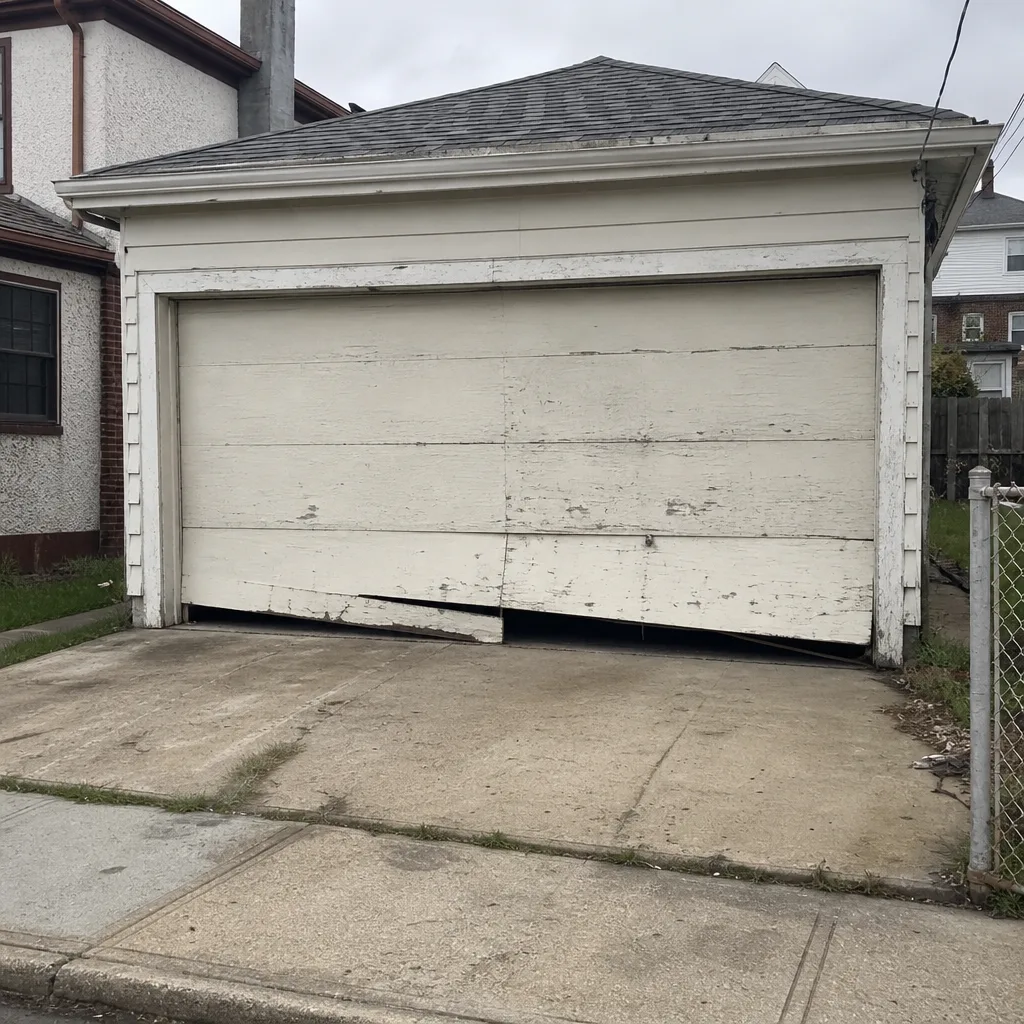 Before
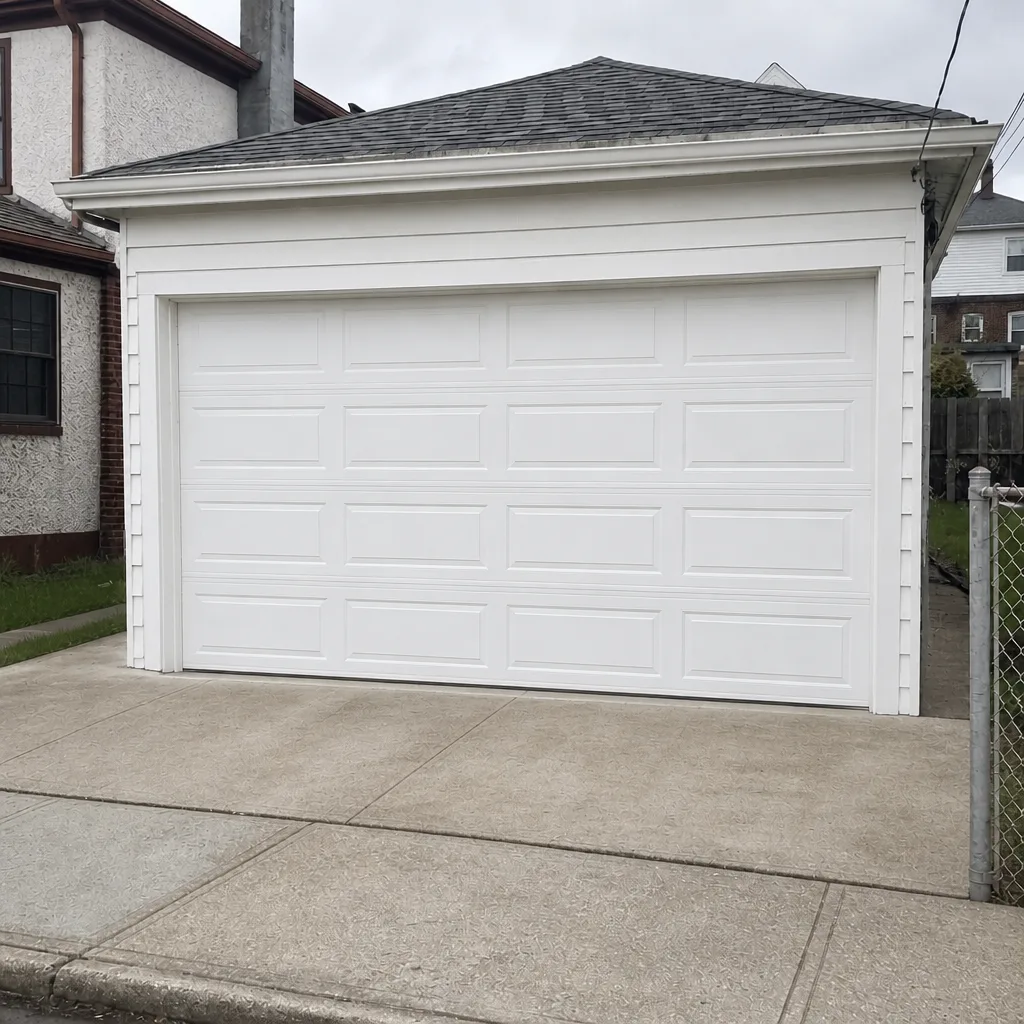 After
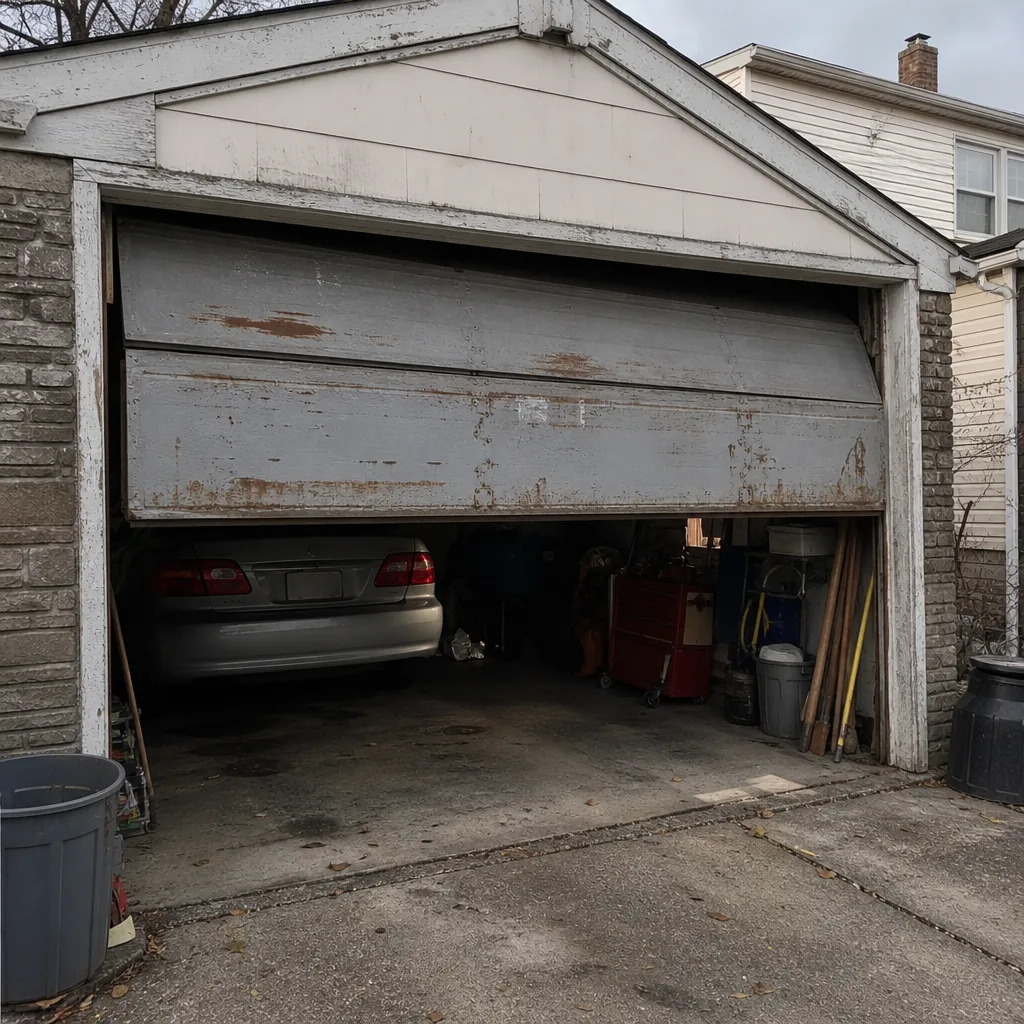 Before
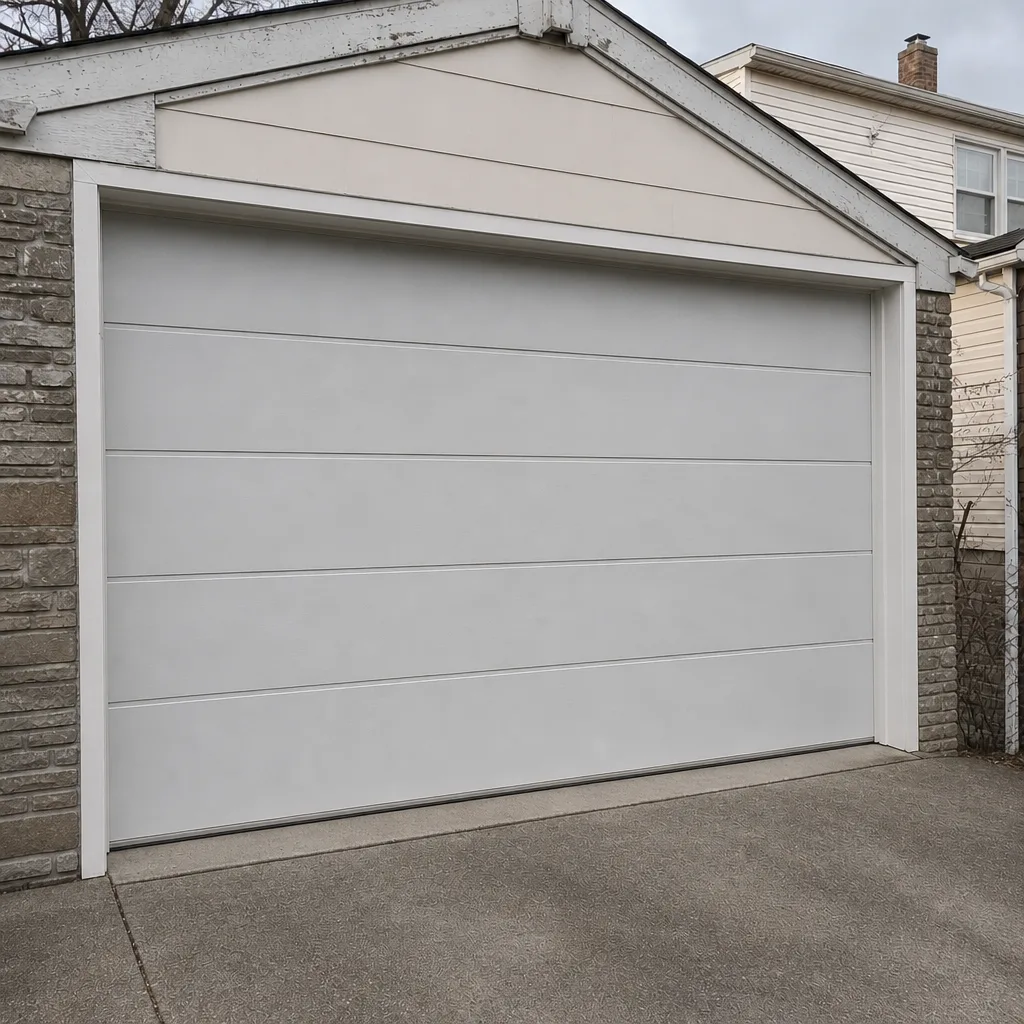 After
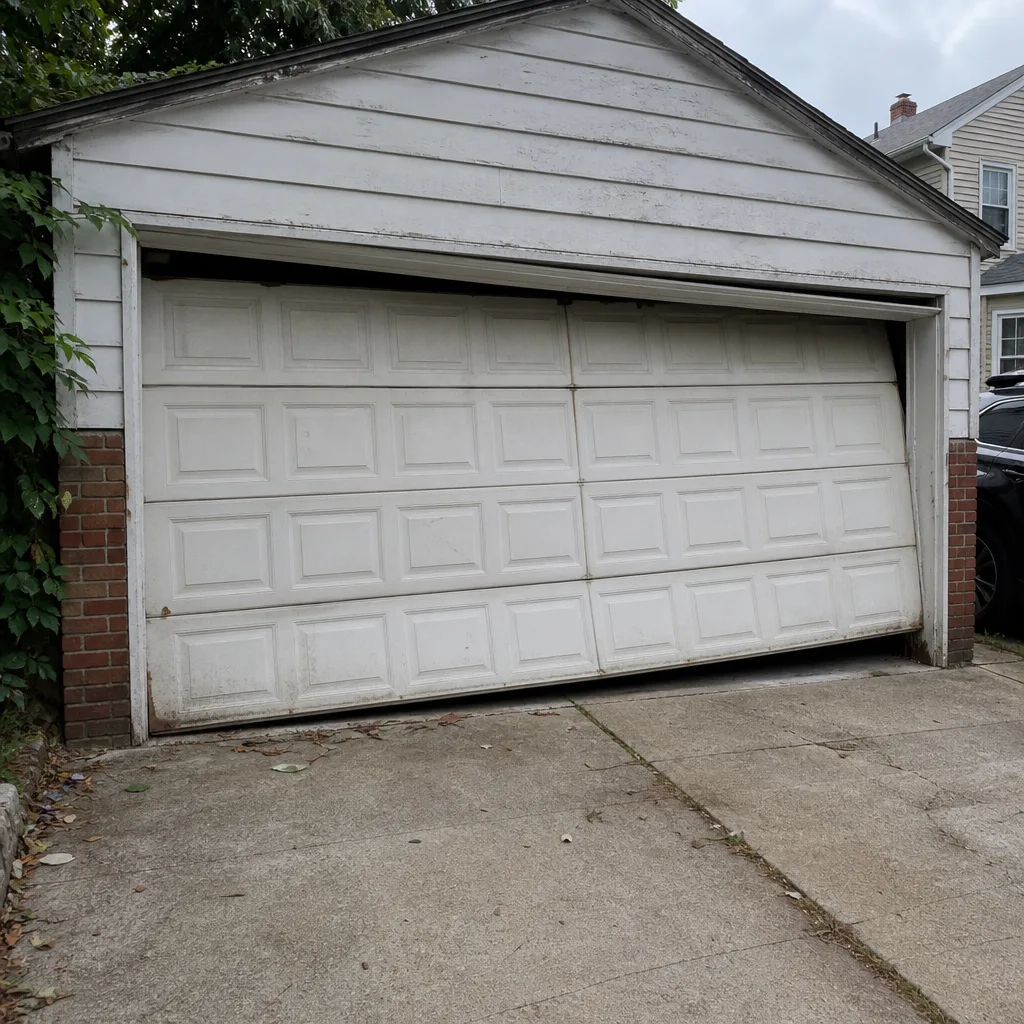 Before
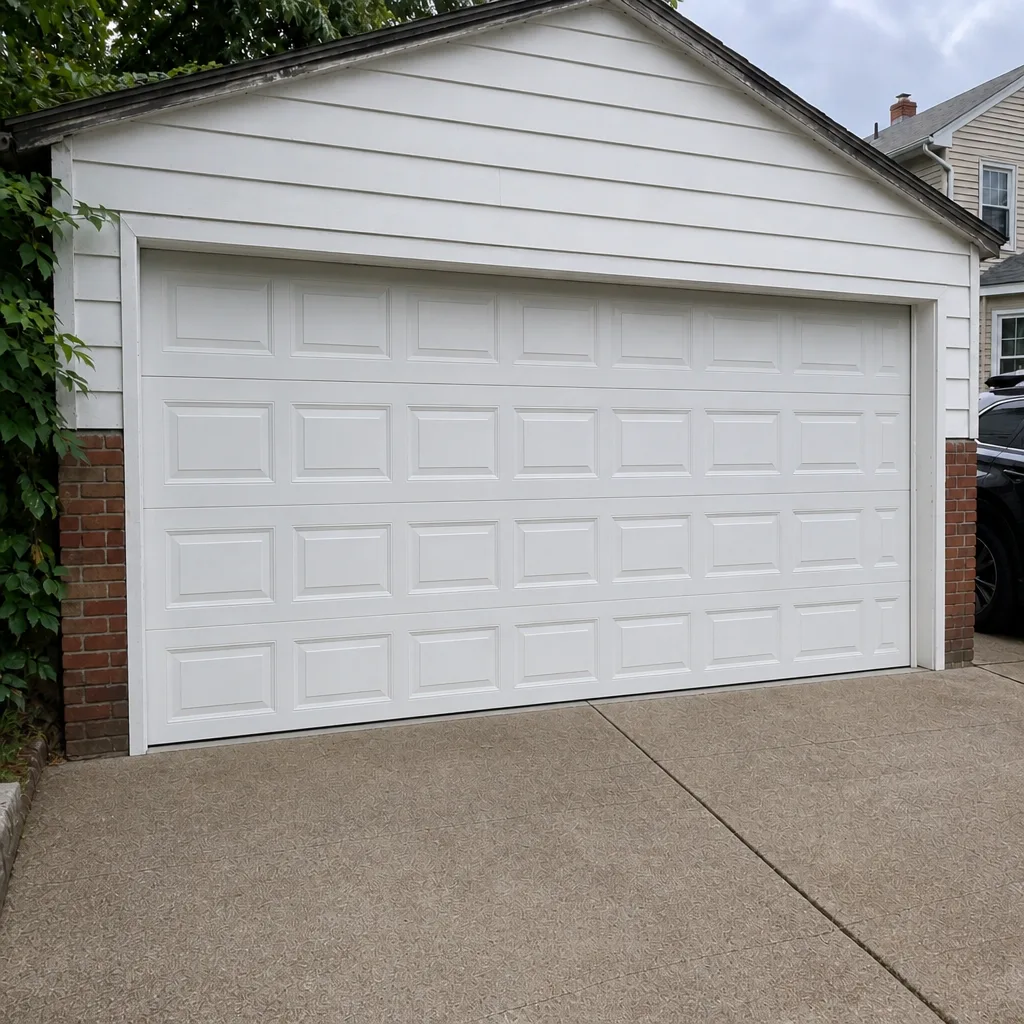 After
When to Call a Professional
Call a professional if you notice any of the following: the door doesn’t stay in position during the balance test, the door reverses without contact, a spring has visibly stretched or lost tension, a cable looks frayed, kinked, or loose on the drum, the door comes down crooked, or the opener makes grinding or clicking noises during travel. Any of these signals a component is failing or already failed, and continuing to run the door will make the repair more expensive. A broken spring or a stuck door is a situation you need handled quickly, which is why our emergency garage door service is available for jobs that can’t wait for a scheduled visit.
If you’re not sure whether a sound or symptom warrants a call, a quick phone consultation will settle it. Jamaica Garage Door Repair offers free estimates in Jamaica. Call (877) 792-6197 and we’ll help you sort out whether you need a visit or just a log entry.
Frequently Asked Questions
Every six months is the right interval for a typical home door. Lubricating monthly attracts grit and can cause the friction you’re trying to prevent, while going a full year between applications leaves hinges and springs running dry. Six months matches the load of a residential door used a few times a day.
A tune-up is lubrication, tightening, and adjustment. A safety inspection is the balance test, force test, spring and cable check, and photo-eye test. Both matter, and a good visit does both. You can do the safety tests yourself monthly, but the tune-up benefits from a technician’s eye every couple of years. Call us if you’re not sure which one you’re due for; estimates are free.
You should do an annual check yourself, and a professional inspection every two to three years. The annual self-check is a walk-around of panels, seals, springs, and rollers. The professional inspection is a deeper service that measures spring tension and checks the opener’s internals. Jamaica’s seasonal swing between humid summers and cold winters makes both worth doing on schedule.
No. The tracks should stay dry. Rollers are designed to roll on their bearings, not slide on grease. Greasing the tracks causes the rollers to slide, which wears both the rollers and the track, and it attracts dust. Wipe the tracks clean with a dry cloth instead.
If the door doesn’t stay in position during the balance test, feels much heavier than it used to, or makes a loud snap followed by the door not opening, the spring is likely failing. Do not try to replace or adjust a torsion spring yourself; call a professional. A spring failure is the most dangerous garage door problem and needs a trained hand.
A simple log in your phone or a notebook works: the date, what was done, and anything you noticed that seemed off. The point is to give a technician a pattern to spot. A door that needs the same hinge tightened twice in a year isn’t a coincidence; it’s a sign of misalignment. When you have the record, the next visit is faster and more accurate.
The brand affects which parts need attention more than how often. Belt-driven openers wear differently from chain-driven, and sealed drive units need no lubrication in normal use while others do. Whether your system is a LiftMaster, Chamberlain, Genie, Raynor, or another brand, a technician familiar with that model can tell you what to check. Call (877) 792-6197 to schedule an inspection.
The Bottom Line
Your garage door doesn’t need monthly attention. It needs lubrication and a self-check every six months, a deeper yearly inspection, and a professional service every two to three years. The right lubricant in the right place, the balance and force tests run in under five minutes, and a simple log are the habits that keep the door running smoothly for years. If you’re thinking about whether the door is worth repairing or replacing, we also handle garage door installation and can walk you through both options. For scheduling, questions, or a free estimate in Jamaica, NY, call Jamaica Garage Door Repair at (877) 792-6197.
Written by the team at Jamaica Garage Door Repair.