Last updated November 21, 2026
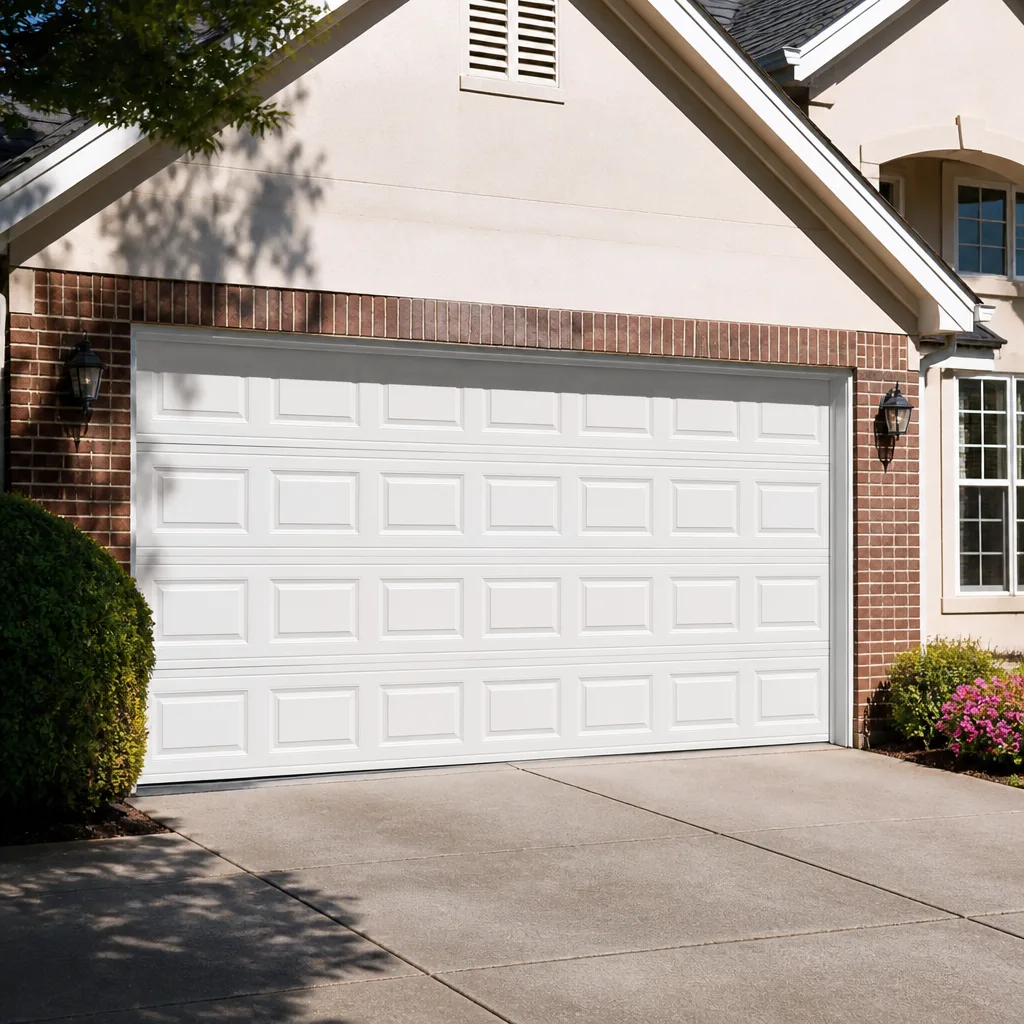 Raised-panel steel
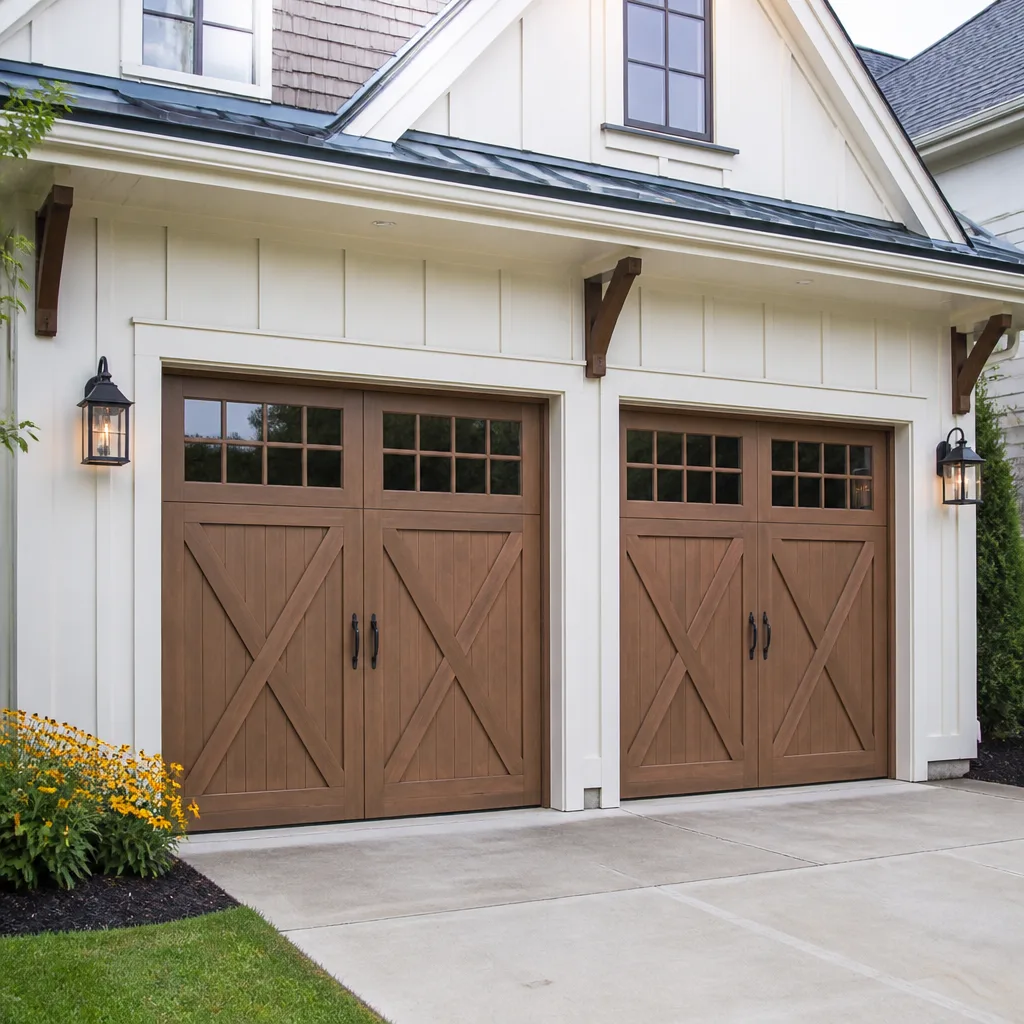 Carriage house
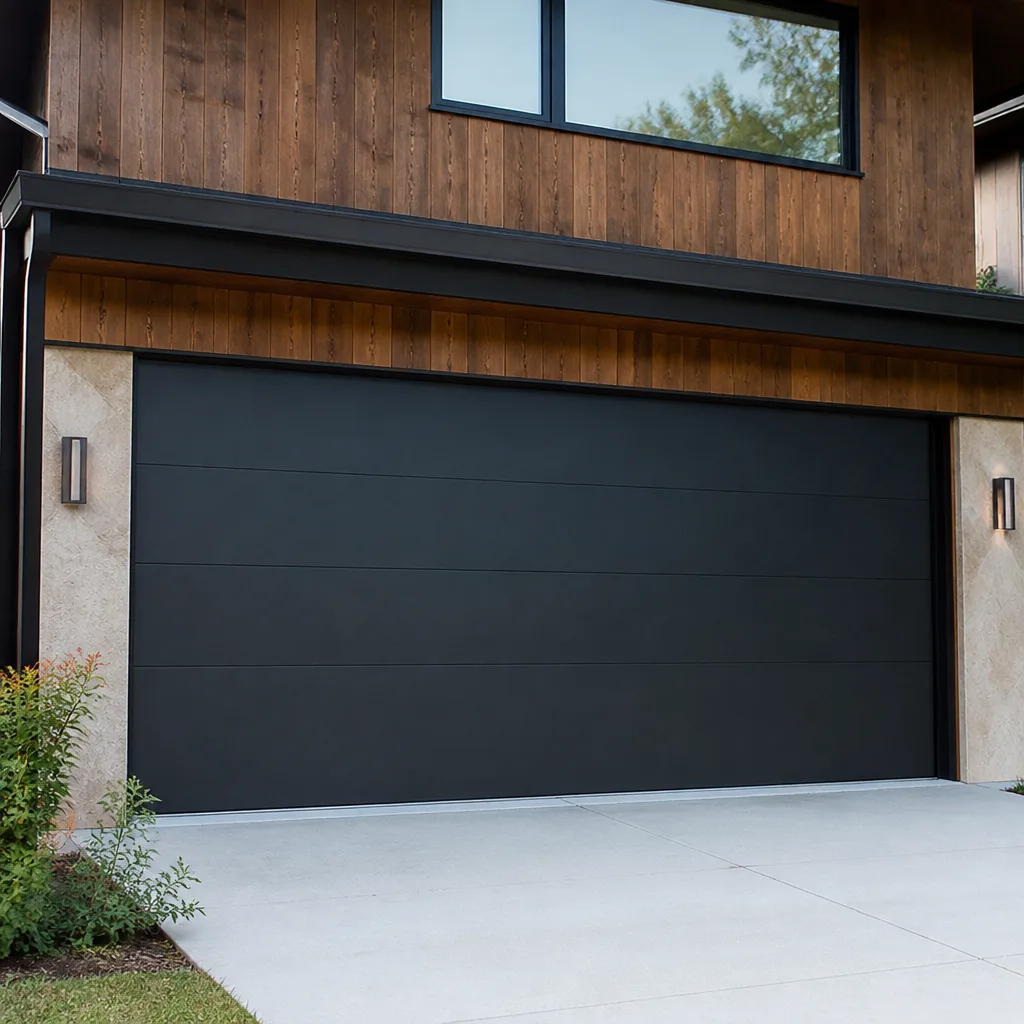 Modern flush
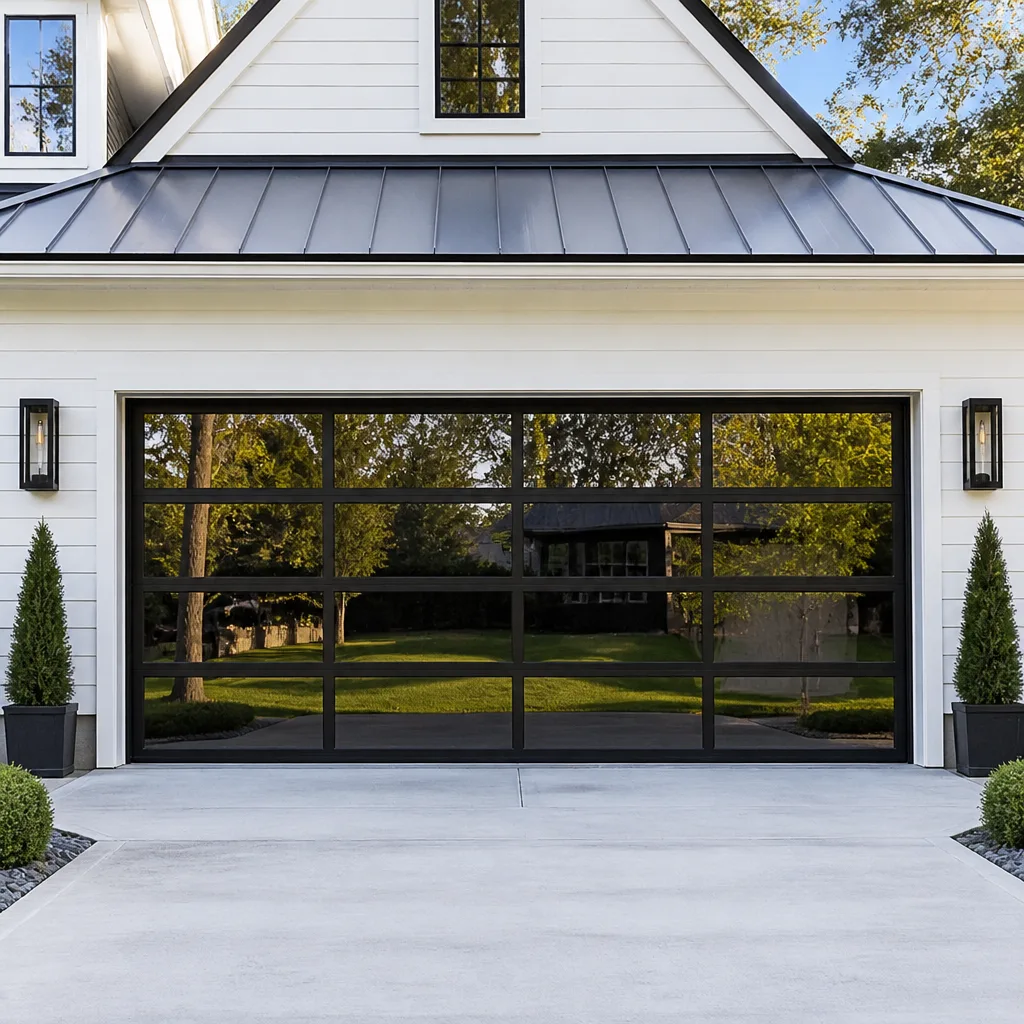 Full-view glass
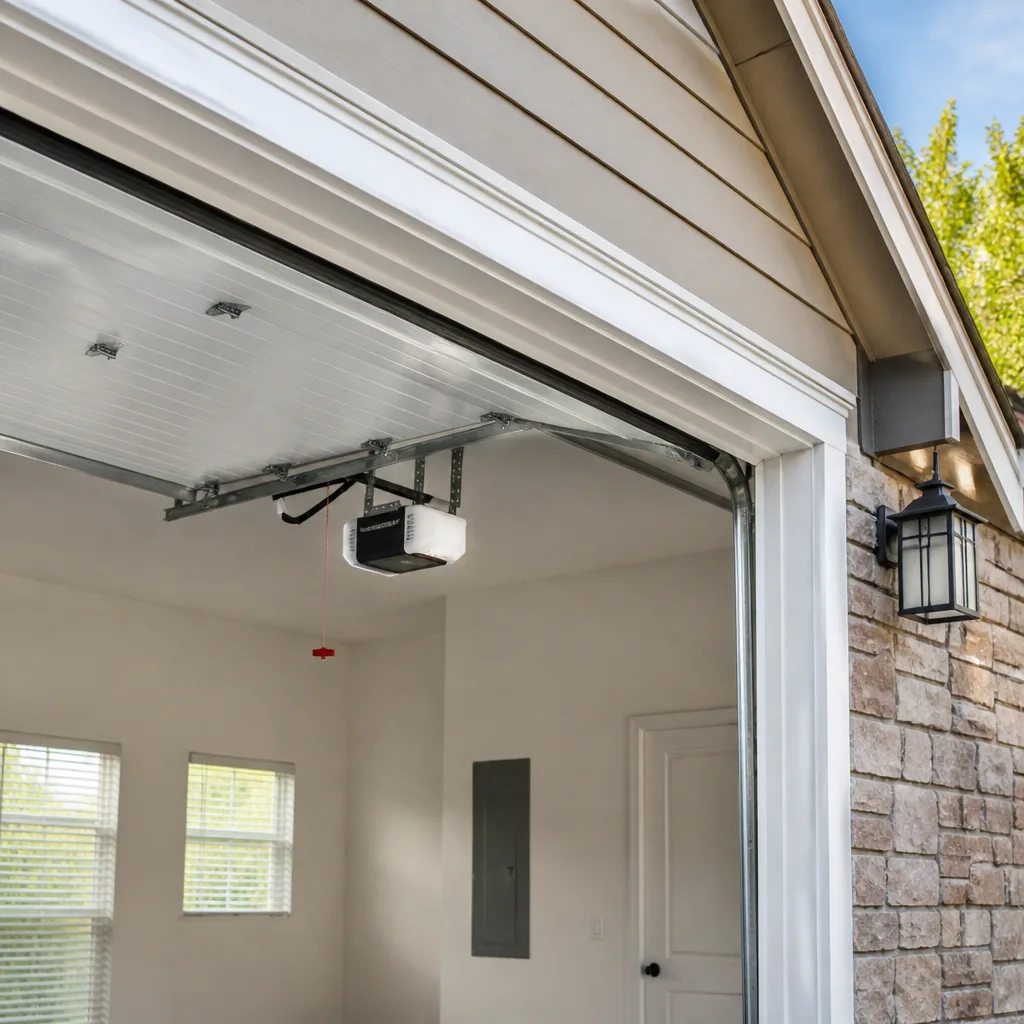 LiftMaster openers
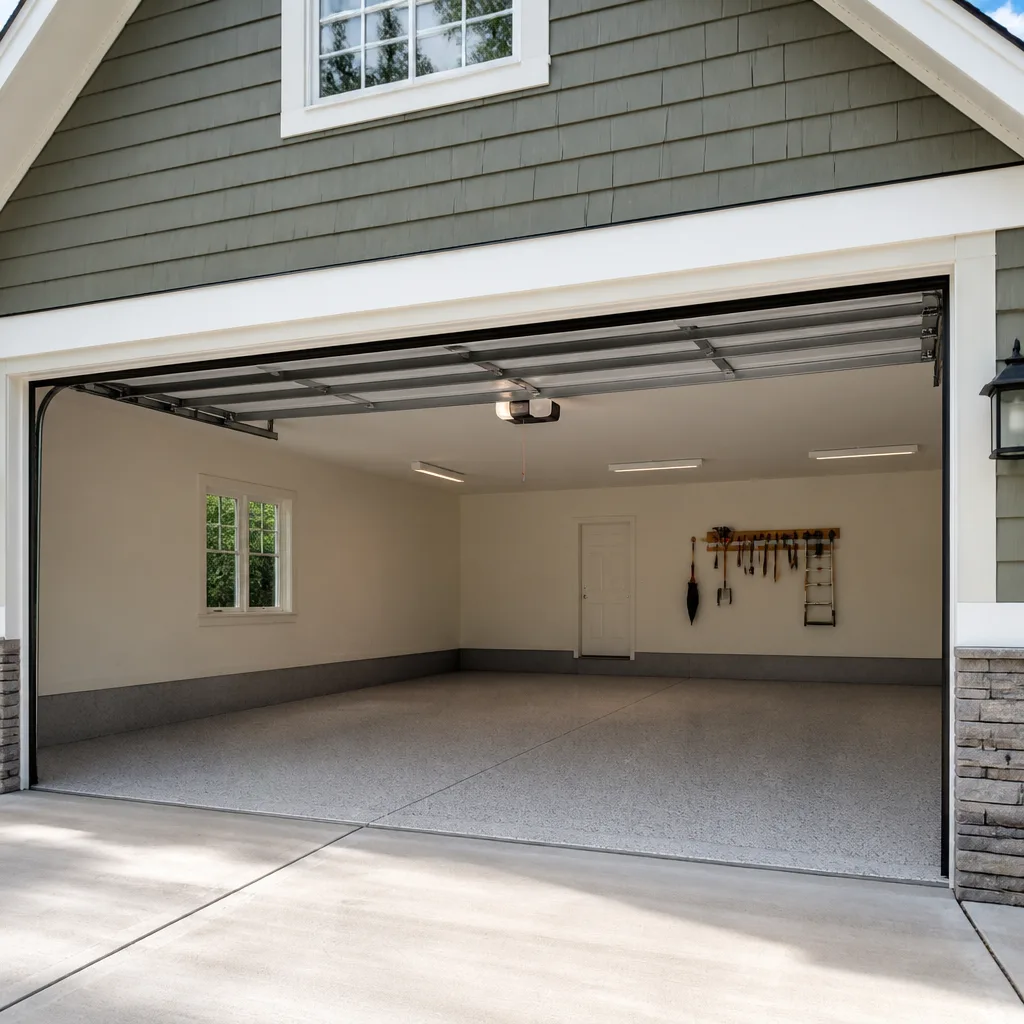 Chamberlain openers
Full 25-point door and opener safety check with every visit - springs, cables, rollers, tracks, and your LiftMaster or Chamberlain opener included
You get a price before we start. It does not change when the pro arrives.
Get your free estimateGarage Door Emergency Preparedness Guide for Jamaica Homes
Most homeowners think about their garage door only when it stops working. That’s backwards. The time to learn where the manual release cord hangs, how to secure a door that won’t close, and which details a technician needs from you is before anything breaks, not at 11pm with the car trapped inside. The failure itself is quick: a spring snaps, an opener strips a gear, a door comes off its track. The confusion that follows lasts longer than it should. This guide walks through exactly what to do, what to have ready, and how to tell a true emergency from a problem that can safely wait until morning. It’s written for Jamaica homeowners specifically, where narrow driveways, shared garages and overnight security all change the calculation.
Quick Answer
A garage door emergency is any failure that traps a vehicle, leaves your home open to the street, or involves a broken spring or damaged track. If the door is stuck open, unsecured overnight, or someone is blocked in, call for emergency service right away. If the door closes and locks normally but runs rough or noisy, it can usually wait for a scheduled repair. Knowing the difference saves you money and stress.
Table of Contents
- Why Preparedness Matters More Than You Think
- How to Find and Use the Manual Release Cord Safely
- How to Secure a Door That Won’t Close
- What to Have Ready When You Call for Emergency Help
- Jamaica-Specific Emergency Considerations
- Emergency Tonight or Wait Until Morning?
- Why Broken Springs Are the One Emergency You Never Touch
- What You Can Do Now to Prevent a Future Emergency
Why Preparedness Matters More Than You Think
We’ve walked into a lot of garages where the homeowner had no idea what to do when the door failed. That’s not a criticism. Garage doors are the largest moving object in a home, and most people never think about the mechanics until something goes wrong. But Jamaica homes have some specific pressures that make a garage door failure more disruptive than it might be elsewhere.
Consider what a stuck door actually means here. In a neighborhood with narrow driveways, a car trapped inside a garage can block the entire approach. If you share a driveway with a neighbor, a failed door can block them too. If you park on the street because the driveway is tight, a door that won’t close leaves your tools, bikes and stored belongings exposed overnight. And in the colder months, when a nor’easter rolls through and you need your car to get to work, a door that won’t open is a real problem, not a minor annoyance.
Preparedness isn’t about becoming a garage door technician. It’s about three things: knowing where the manual release is, knowing how to secure the opening if the door fails, and knowing who to call and what to tell them. That’s the whole list. Everything else is a professional’s job.
The other reason to prepare is that panic costs money. A homeowner who doesn’t know what’s happening is more likely to agree to a rushed replacement when a repair would do, or to try a do-it-yourself fix on a component that can seriously injure them. Knowing the basics keeps you calm and keeps your decisions sound.
How to Find and Use the Manual Release Cord Safely
Every garage door opener that’s installed to code has a manual release. It’s a cord, usually with a red plastic handle, that hangs down from the trolley mechanism on the opener rail. Pulling it disconnects the door from the opener so you can raise and lower the door by hand. It’s the single most important piece of safety equipment on your system, and most people can’t find it in the dark.
Step-by-step: locating and using the release safely
- Find it now, not later. Stand in the garage, look up at the opener rail running from the motor to the door. The release cord hangs from a trolley that slides along that rail. It’s usually a red handle at roughly waist to chest height. If your opener is a LiftMaster, Chamberlain or Genie, this mechanism is standard. Note its position and make sure it’s reachable.
- Make sure no one is under the door. Before you pull the release, confirm the door is fully closed and that no person, pet or object is in the doorway. When you pull the cord, the door is no longer held by the opener, and it will behave differently.
- Support the door before releasing. This is the mistake that catches people. On a door with a broken or weakened spring, the door may be heavier than you expect, and once you disconnect the opener it can drop or fall suddenly. Before pulling the cord, have someone support the bottom of the door, or hold it yourself, so it doesn’t slam down.
- Pull straight down and away. Pull the cord down firmly and let the trolley release. You’ll feel the disconnect. Do not yank it sideways.
- Lift with your legs, not your back. A standard single-car door can weigh well over a hundred pounds, and a double door more. Lift slowly and keep your hands clear of the hinges and panels as the door moves.
- Propping it open. If you need the door open for access, prop it securely. Don’t rely on the opener to hold it, because it’s now disconnected.
- Reconnecting. When the door is working again, the trolley usually needs to be re-engaged. With the door closed, pull the release cord again so the trolley reattaches to the carrier, then run the opener to test.
Practice finding the release cord once in good light. Storing a small step stool near the opener if the cord hangs high is a simple, sensible move. In our experience, the homeowners who handle a failure best are the ones who already know where that red handle is.
How to Secure a Door That Won’t Close
A door stuck open is the most common genuine emergency we get called for in Jamaica, especially overnight. The problem isn’t just inconvenience. An open garage invites theft, lets weather in, and can leave your home feeling exposed. With basic tools most homeowners already have, you can secure the opening until a technician arrives.
Tools you probably already have
- A pair of locking pliers (Vise-Grips)
- A C-clamp or two
- A sturdy length of wood or a broom handle
- A heavy-duty padlock (for exterior access doors)
Ways to secure the opening
Clamp the track above a roller. If the door is partially down, you can place a locking pliers or C-clamp on the vertical track just above the lowest roller. This physically prevents the door from rolling further down or being pushed up. Make sure the clamp sits snug against the roller so it can’t slide.
Block the door from opening. If the door is fully closed but the opener keeps running or the door won’t stay locked, sliding a piece of wood or a clamp into the track above the bottom roller keeps the door from being lifted.
Secure exterior access. If your garage has a side door or service door, lock it. A door that’s stuck open but has a secure side entrance is far less of a risk than one with an unlocked pedestrian door.
Do not force the door. Never try to muscle a door back onto a bent track or force it past a jam. You can bend the panels, damage the opener, or injure yourself. Clamp what you can, secure the perimeter, and call for help.
If the door is fully open and won’t budge, and you have no side access to secure, that’s a strong case for an emergency call. Leaving a wide-open garage overnight in Jamaica is exactly the scenario preparedness is meant to prevent.
What to Have Ready When You Call for Emergency Help
The quality of your emergency call determines how fast and how well the problem gets fixed. A technician who knows your door brand, your opener model and your symptom before arriving can bring the right parts and plan the job. A vague call means guesswork, and guesswork costs time.
Have these four things ready before you dial:
- Door brand and type. Look for a label or stamp on the door panels or the end stile of the bottom section. Clopay and Amarr doors, for example, are extremely common across Jamaica homes, and each has its own hardware and panel specs. If you can’t find a label, describe the door: single or double car, sectional or one-piece, insulated or not, material (steel, wood, aluminum).
- Opener brand and model. The opener motor housing usually has a label with the brand and model number. LiftMaster, Chamberlain and Genie are the most widely installed. The model helps a technician know in advance what drive system you have (belt, chain, screw) and whether parts are likely on hand.
- A clear symptom description. Tell them exactly what happened. “The door goes up about two feet and stops with the light flashing” is far more useful than “it’s broken.” Note any sounds (grinding, snapping, humming), whether the opener runs but the door doesn’t move, and whether the door is stuck open or closed.
- Access instructions. How does someone get to your garage in Jamaica? Is the driveway narrow? Is there a gate? Is the garage shared or accessed from an alley? Is there parking nearby? These details matter in a dense neighborhood. Mention any shared-driveway or landlord considerations up front.
Also tell them if the door is currently open and unsecured, because that raises the priority. Emergency service exists for exactly this. Jamaica Garage Door Repair offers emergency availability beyond standard hours, and knowing your equipment means the visit starts with answers rather than questions.
Jamaica-Specific Emergency Considerations
Jamaica homes aren’t all built the same, and a garage door emergency plays out differently depending on your setup. Three local factors come up again and again.
Narrow driveways and tight approaches
Many Jamaica driveways are narrow, short, or shared between neighbors. A garage door that’s stuck closed doesn’t just trap your car; if your neighbor’s car is behind yours in a shared approach, it can trap theirs too. Before you wait until morning, think about whether anyone else is blocked. If the answer is yes, that pushes the problem toward an emergency call.
Gates and shared garages
A lot of Jamaica properties have a gate or a shared garage structure. When a door fails inside a gated or shared setup, the technician may need special access arrangements. Have the gate code or key ready, and let the person on the phone know if the garage is shared so they can plan for that. If you’re a renter, check your lease for who’s responsible for garage repairs and notify your landlord promptly, especially if the door is stuck open.
Overnight security
An open or unsecured garage overnight is a real security concern in any dense neighborhood. If the door can’t close and you can’t secure it with clamps or a locked side door, treat it as an emergency. A dark, open garage is one of the easiest targets there is. Better to pay for an emergency visit than to leave it exposed all night.
Emergency Tonight or Wait Until Morning?
Not every garage door problem is an emergency. Knowing which is which saves you from an unnecessary call and keeps the emergency line clear for people who genuinely need it. Here’s the test we use.
Treat it as an emergency now if:
- The door is stuck open and can’t be secured, leaving the home exposed overnight.
- A car is trapped inside and you or someone in the household needs it urgently.
- The door won’t close and won’t stay closed, leaving the garage exposed.
- You see a broken spring, a snapped cable, or a door that’s come off its track. These are dangerous; don’t operate the door and don’t attempt a fix.
- The door is hanging or sagging crookedly in a way that suggests structural damage.
- The door poses a physical safety risk to people or vehicles.
It can safely wait until the next working day if:
- The door opens and closes normally but is noisy or runs rough.
- The opener remote or wall button works intermittently but the door still functions.
- The door is fully closed and secure, but the opener is dead or the light won’t work.
- A cosmetic issue: a dented panel, a misaligned sensor that only occasionally triggers, or a missing handle.
- You have a working second door or another secure entrance.
If you can close and secure the door, and no one is trapped or exposed, you can generally wait for a scheduled visit. But a broken spring is different, and we explain why in the next section.
Why Broken Springs Are the One Emergency You Never Touch
Garage door springs are under extreme tension. They’re the component that counterbalances the door’s weight, and when one fails, it doesn’t just stop working; it can snap with force. Replacing a spring yourself is one of the most dangerous jobs a homeowner can attempt, and it’s the one repair we always handle with dedicated attention.
The symptoms of a broken spring are usually obvious:
- A loud snap or bang from the garage, often heard from inside the house.
- The door won’t open more than a foot or so before stopping.
- The door feels extremely heavy when you try to lift it by hand.
- You can see a gap in the spring coil above the door (for a torsion spring) or a stretched, hanging extension spring.
If you suspect a broken spring, do not run the opener, do not pull the manual release to test it, and do not attempt a repair. With a broken spring, the door may be unbalanced and can fall suddenly if you release the opener. Keep everyone clear and call for help. Spring repair is a dedicated service at Jamaica Garage Door Repair for exactly this reason. It’s a job for technicians who work with tensioned springs safely, not a do-it-yourself fix. Our technicians have up to 12 years of experience, and this is the kind of call where that matters most.
When the door is fixed, it should move smoothly and stay balanced. If you notice a spring going slack or a door getting harder to lift, have it checked before it fails. That’s the cheapest emergency you’ll ever prevent.
What You Can Do Now to Prevent a Future Emergency
Most emergencies are predictable weeks in advance. A little attention now prevents a panicked call later. Here’s what we recommend for Jamaica homeowners.
- Locate and label the manual release. Find the red cord today. Make sure it’s reachable and not tangled. Store a step stool nearby if needed.
- Test the door monthly. Open and close it and listen. A door that’s getting louder, slower or rougher is telling you something.
- Check the balance. With the door closed and the opener released, lift it halfway and let go. A balanced door stays roughly where you put it. One that slams down or drifts is out of balance and needs adjustment.
- Look at the springs and cables. A quick visual check for gaps, rust, or stretched springs helps you catch wear early. Don’t touch them, just look.
- Test the safety sensors. With the door open, pass an object through the sensor beam. The door should reverse. If it doesn’t, the safety system needs attention.
- Keep the tracks clean. Dirt and debris in the tracks cause rollers to wear and the door to strain. A quick wipe-down helps.
- Note your brands. Write down your door and opener model numbers and keep them where you can find them. It’s the difference between a quick fix and a guessing game.
Regular care is also a good time to have a technician look things over. If a component is on its way out, garage door repair at the first sign of trouble is always cheaper and simpler than emergency work in the middle of the night.
Common Mistakes to Avoid
- Not knowing where the manual release is. Digging for the red cord in the dark while a car sits trapped wastes time and adds panic. Find it now.
- Pulling the release without supporting the door. On a door with a weakened spring, releasing the opener can let the door drop suddenly. Always support the door before pulling the cord.
- Running the opener when a spring is broken. It strains the opener motor, can bend the door, and does nothing to help. Stop running it and call.
- Leaving an open, unsecured garage overnight. In a dense Jamaica neighborhood, that’s an invitation. Clamp the track, lock the side door, or call for emergency help.
- Calling without brand and model details. A vague call means the technician has to figure out your system from scratch. Have Clopay, Amarr, Genie or Chamberlain details ready to make the visit faster.
- Forgetting to notify a landlord or neighbor. If you rent, or if your garage is shared, the failure affects more than you. Notify the right person promptly.
- Forcing a door that’s off its track. Pushing a bent door can cause further bending and injury. Secure it, then wait for a professional.
When to Call a Professional
Call a professional immediately if a spring is broken, a cable has snapped, the door is off its track, or the door is stuck open and can’t be secured. Those are the cases where forcing the issue or waiting creates real risk. Call promptly, too, if a car is trapped or the door won’t close and won’t stay closed. For anything else, a scheduled visit is usually fine, but a quick check early prevents bigger problems later. We work on the door hardware and the opener as one system, so you’re not juggling two contractors for a door that won’t stay up and an opener that won’t drive it. Jamaica Garage Door Repair offers free estimates in Jamaica. Call (877) 792-6197.
Frequently Asked Questions
It’s a real emergency if the door is stuck open and can’t be secured, a car is trapped, the door won’t close, or you see a broken spring or damaged track. If the door closes and locks normally and no one is trapped, it can usually wait for a scheduled visit.
It hangs from the trolley on the opener rail that runs from the motor to the door, usually as a red plastic handle. Make sure it’s reachable and practice finding it once in good light so you’re not searching for it in an emergency.
No. Don’t run the opener and don’t attempt to lift the door by hand. A door with a broken spring is unbalanced and can fall suddenly. Keep everyone clear and call a technician trained to replace springs safely.
Have your door brand and type, opener brand and model, a clear description of the symptom, and access instructions ready. Mention if the door is open and unsecured or if the garage is shared, and note any gate or narrow-driveway details for a Jamaica address.
Clamp the vertical track above the lowest roller with locking pliers or a C-clamp, lock any side door, and don’t force the door past a jam. If you can’t secure the opening, treat it as an emergency and call.
In all likelihood, yes. We work on LiftMaster, Chamberlain, Genie, Clopay, Amarr, Wayne Dalton, Craftsman and Raynor, which covers the vast majority of Jamaica garage setups. Have your model handy and we’ll confirm.
The Bottom Line
Garage door emergencies are easier to handle when you’ve thought about them in advance. Find the manual release, know how to secure a door that won’t close, and keep your door and opener details handy. Understand the difference between a true emergency (stuck open, trapped car, broken spring) and a problem that can wait. Never touch a broken spring, and never run an opener on a door that’s failed dangerously. For everything else, a quick check early saves trouble later. When the door stops working, one call covers it all, door hardware and opener alike. Call (877) 792-6197 for a free estimate from our team.
Written by the team at Jamaica Garage Door Repair.
Styles & brands we work with
- Raised-panel steel
- Carriage house
- Modern flush
- Full-view glass
- LiftMaster openers
- Chamberlain openers
See the difference
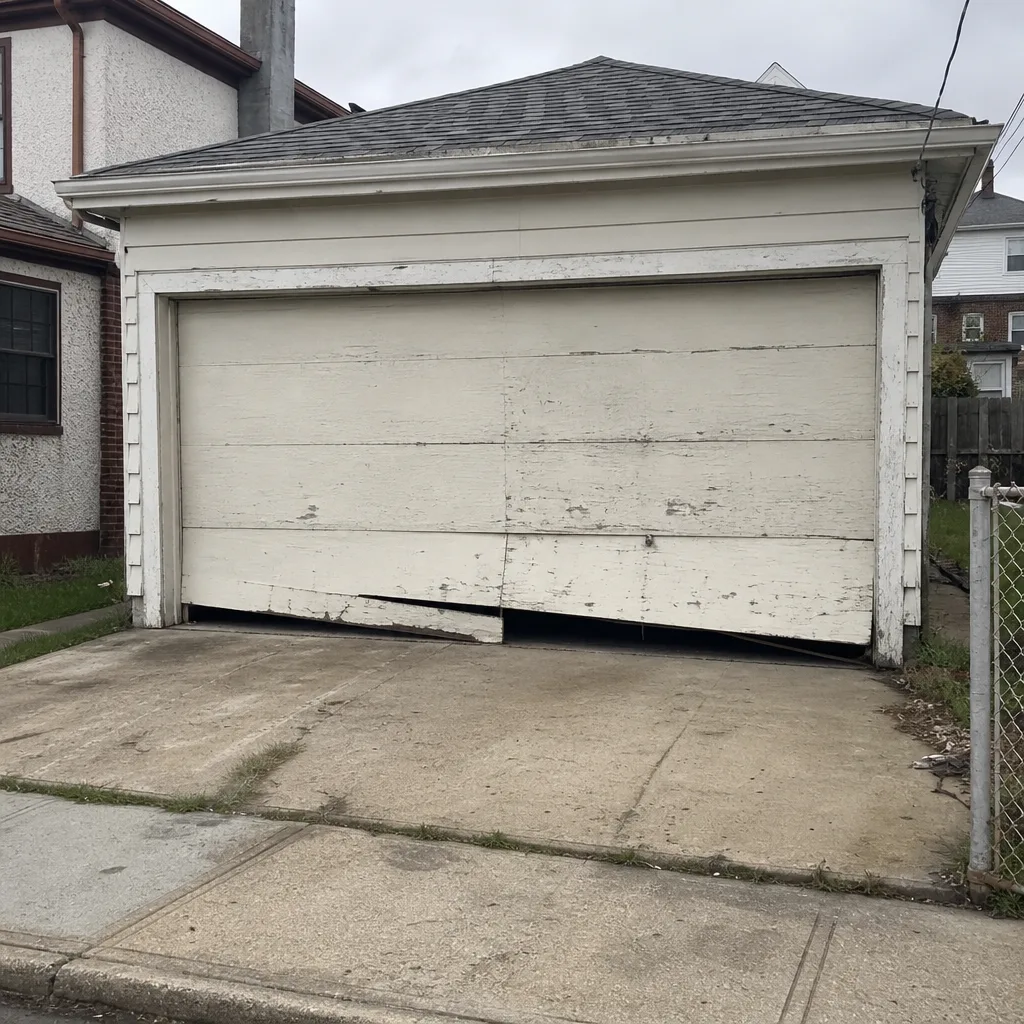 Before
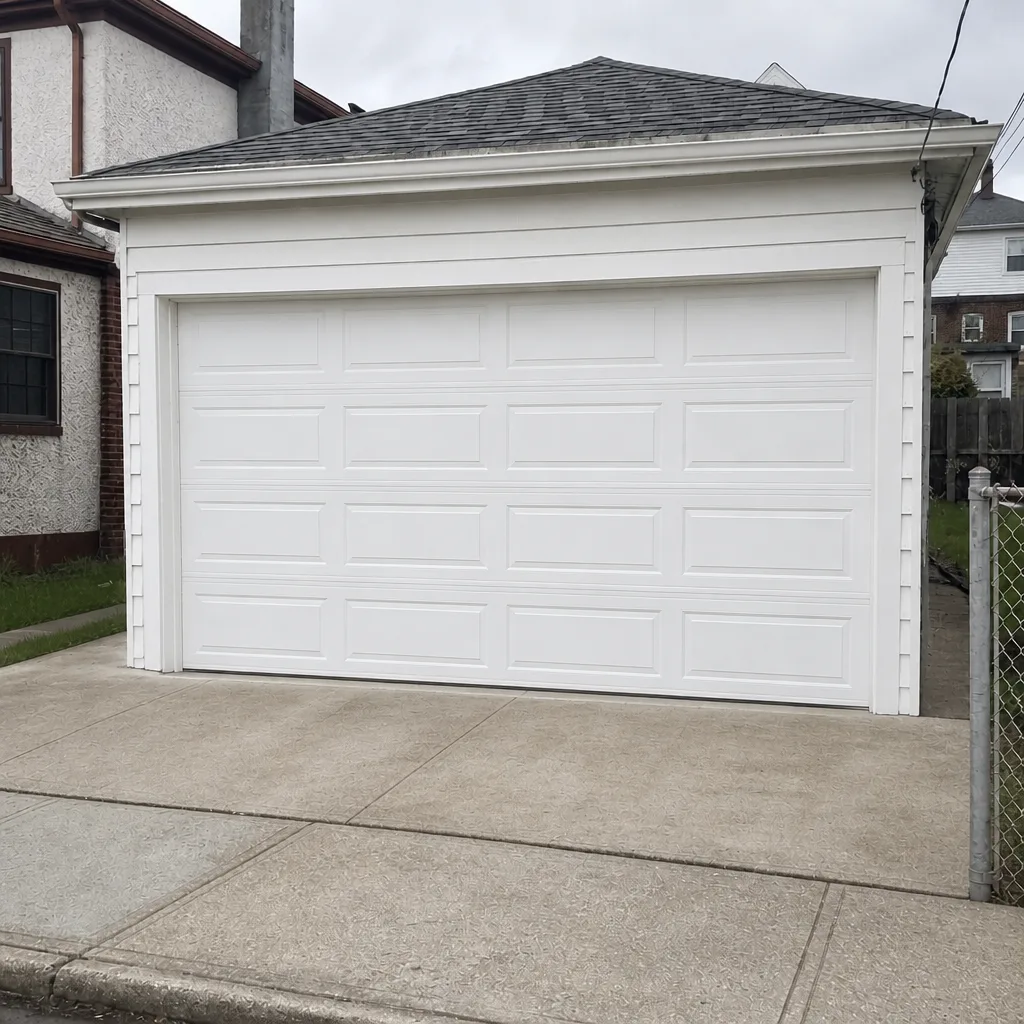 After
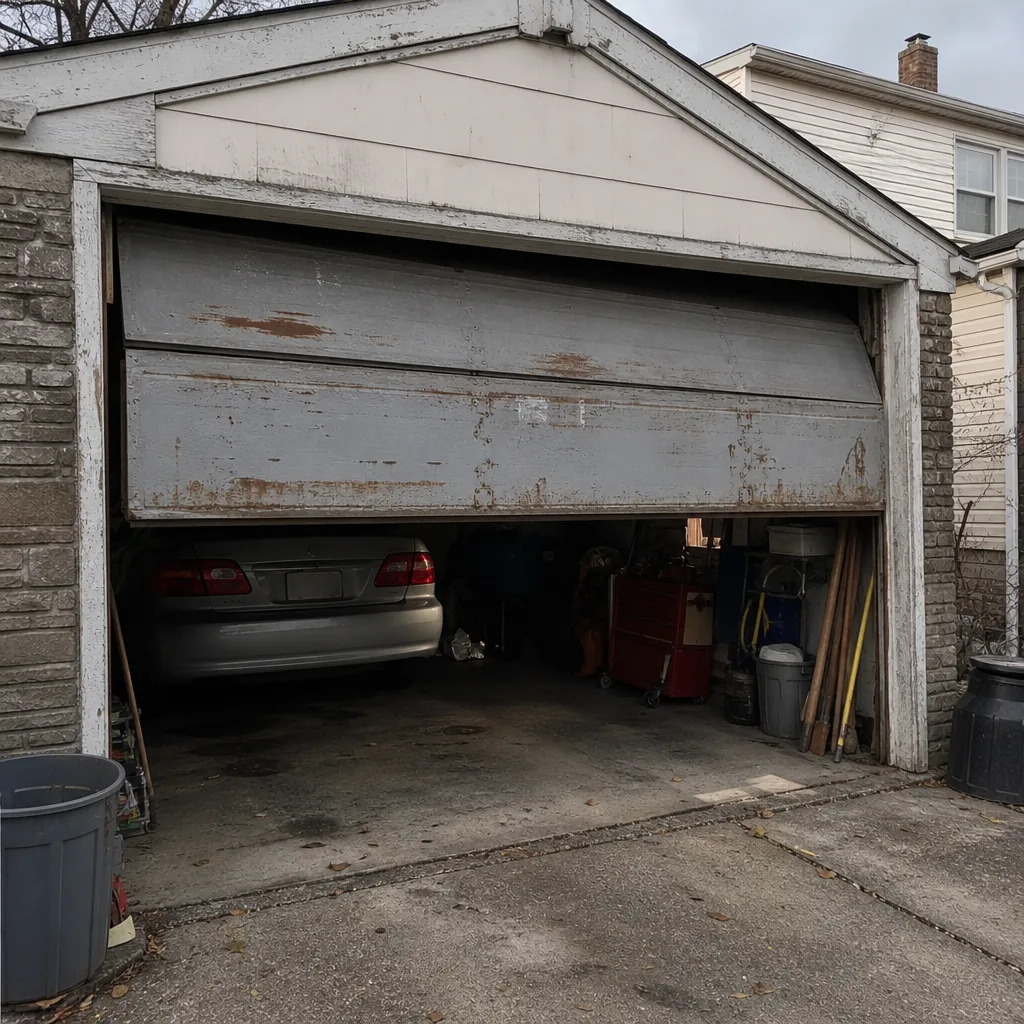 Before
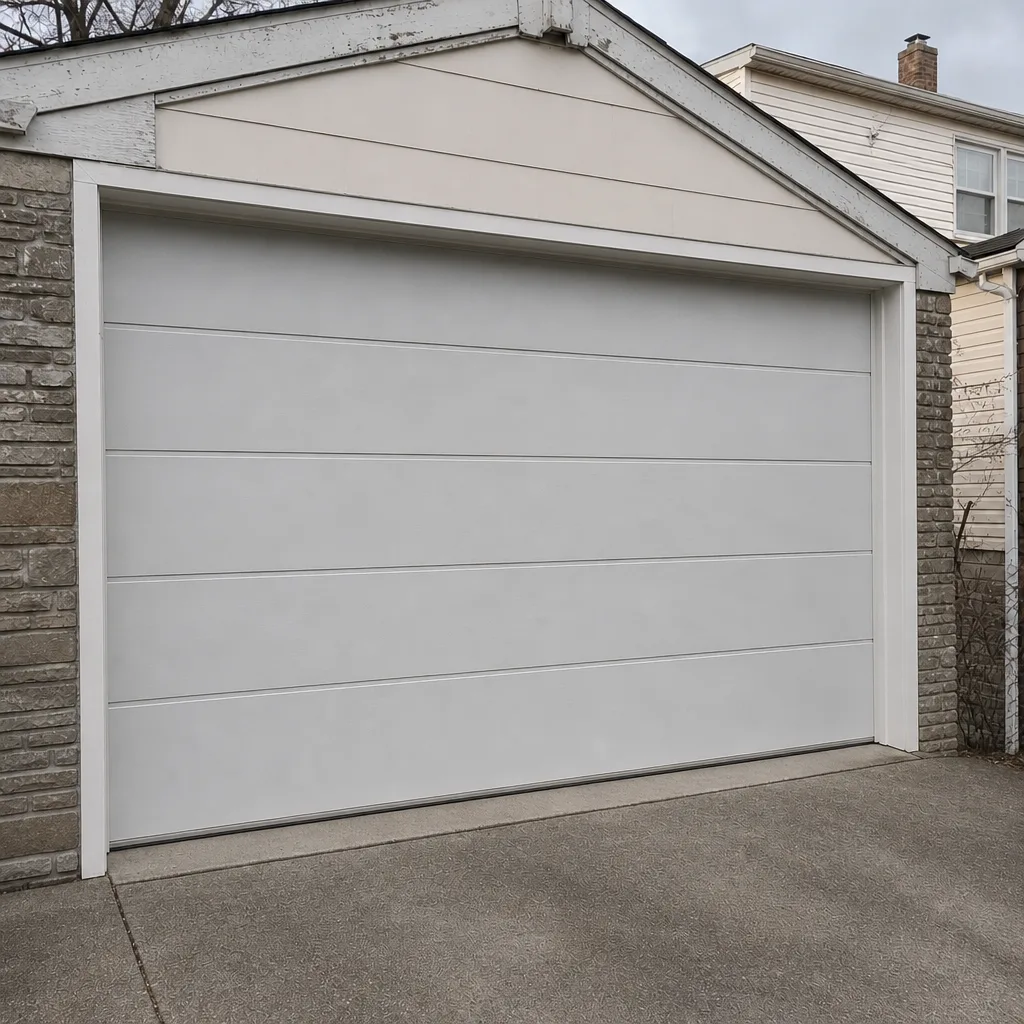 After
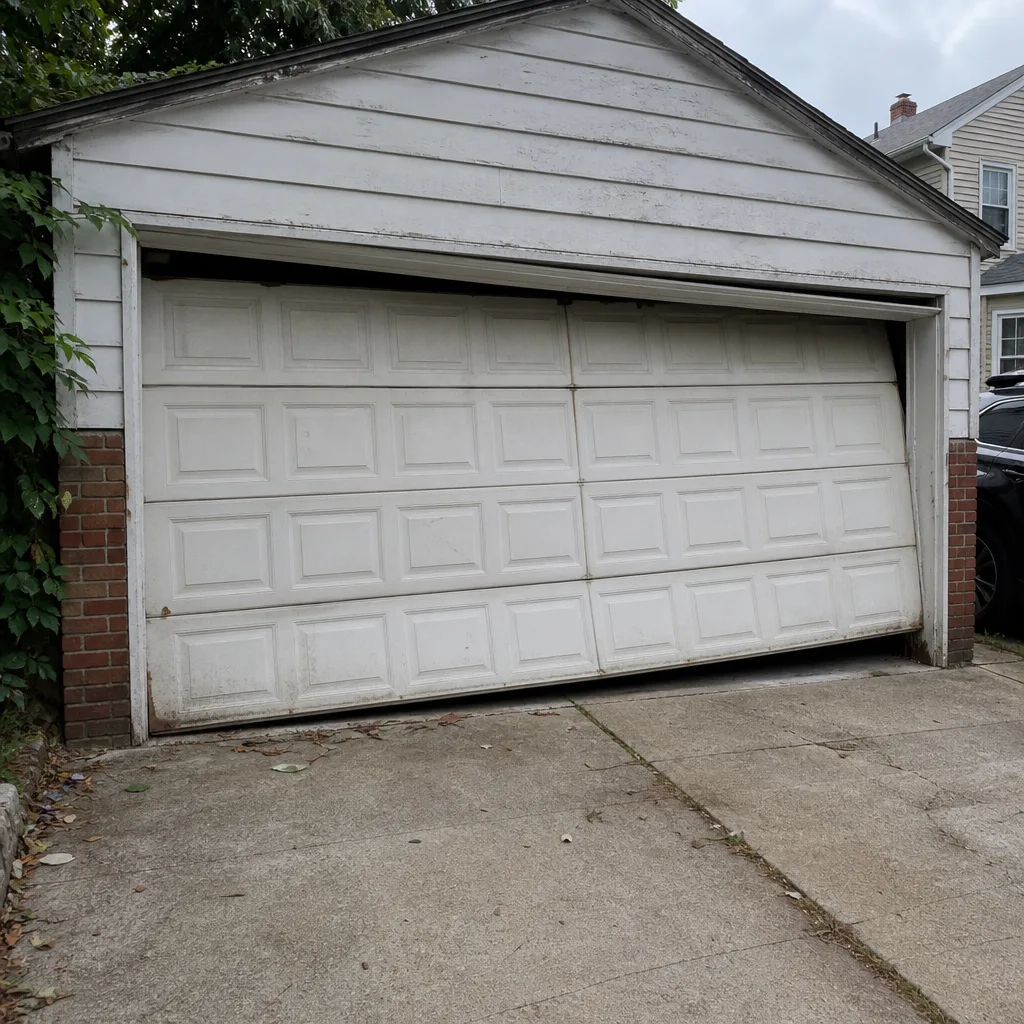 Before
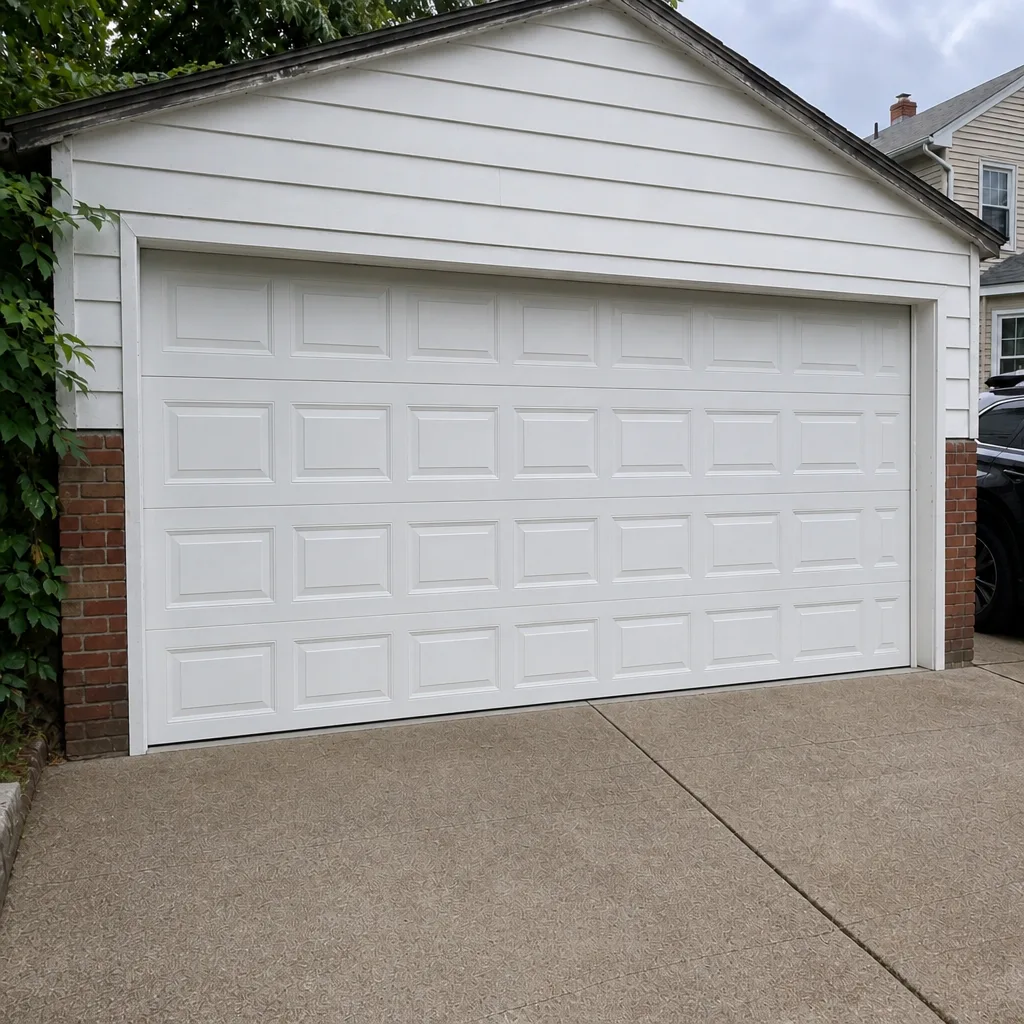 After