Last updated November 21, 2026
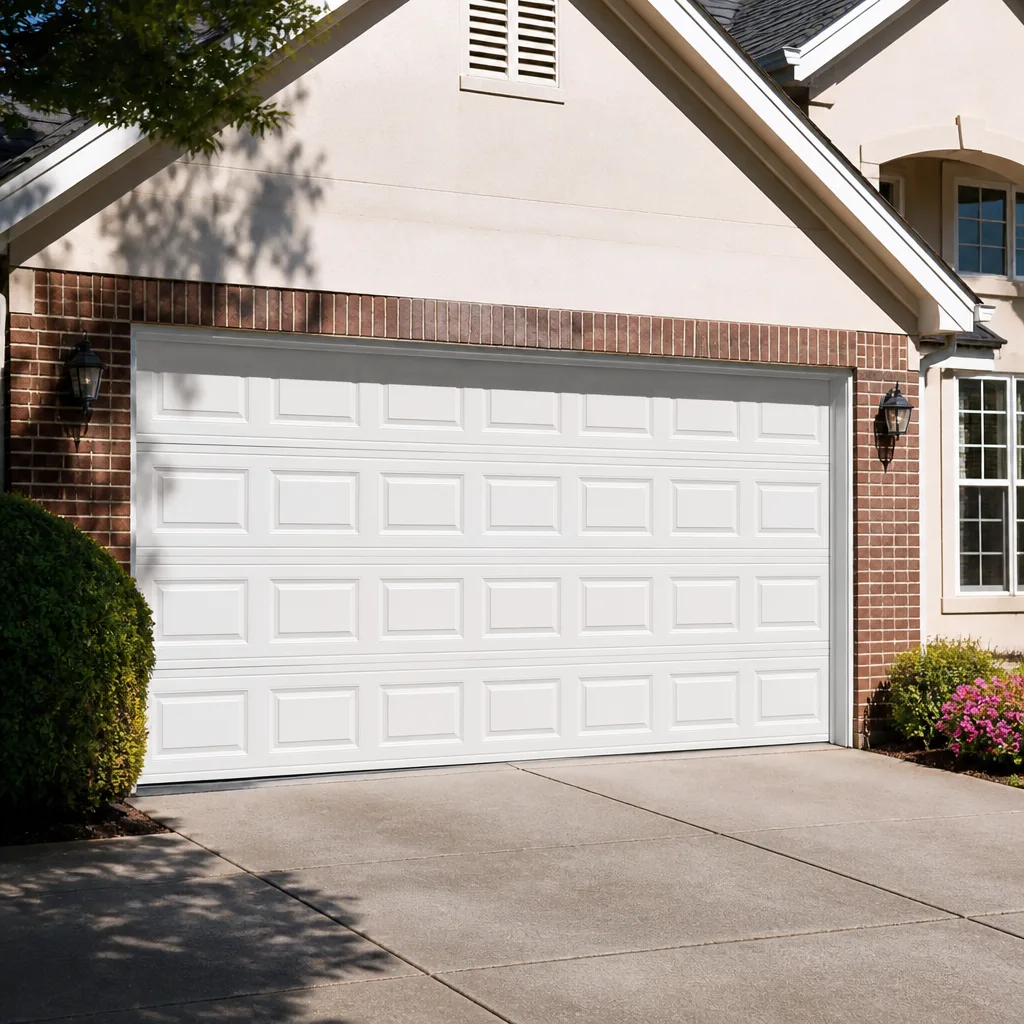 Raised-panel steel
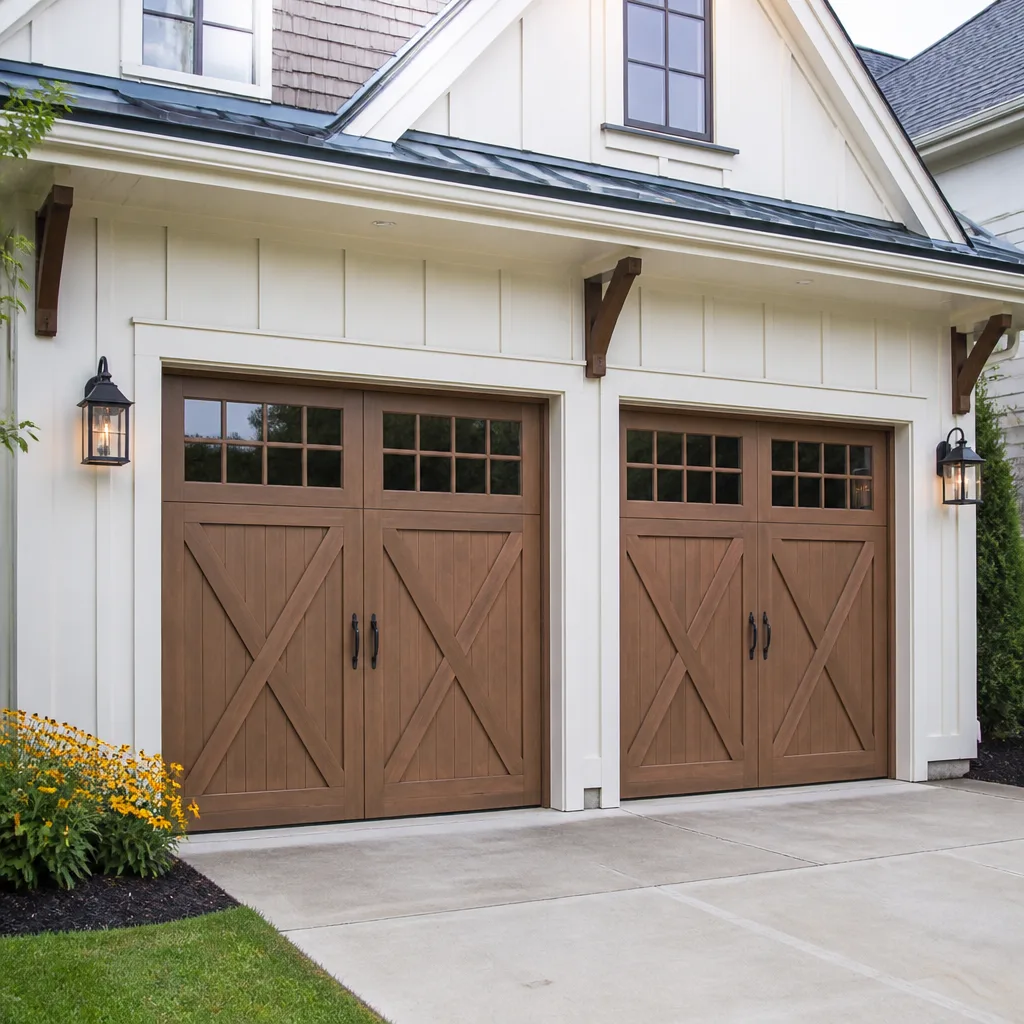 Carriage house
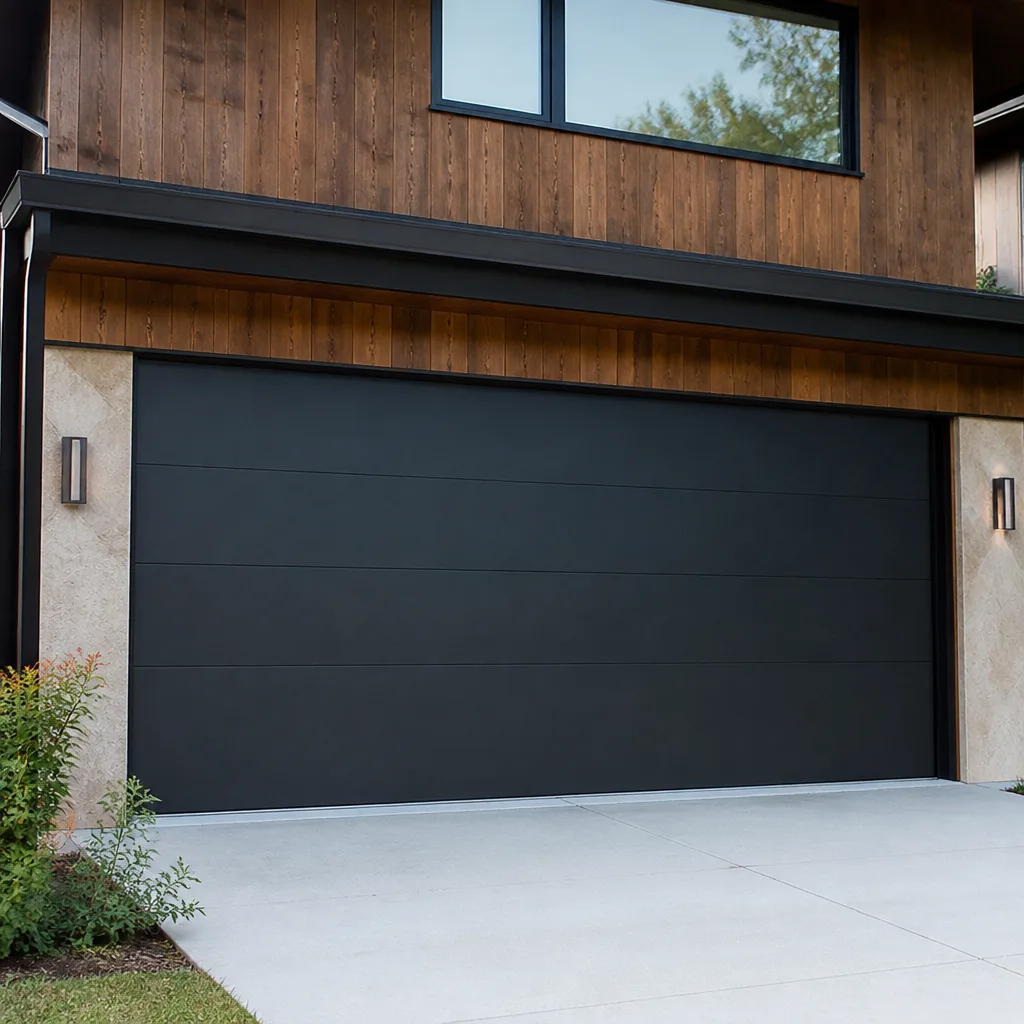 Modern flush
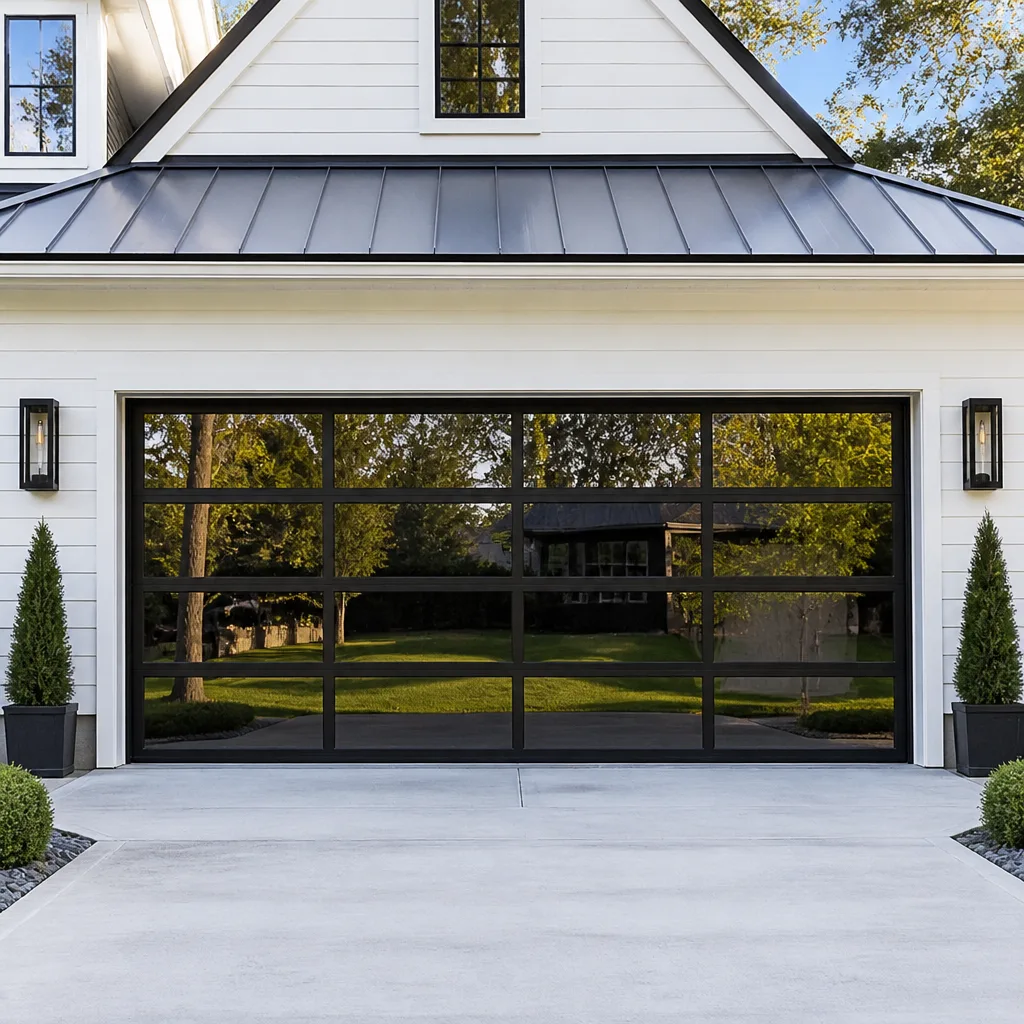 Full-view glass
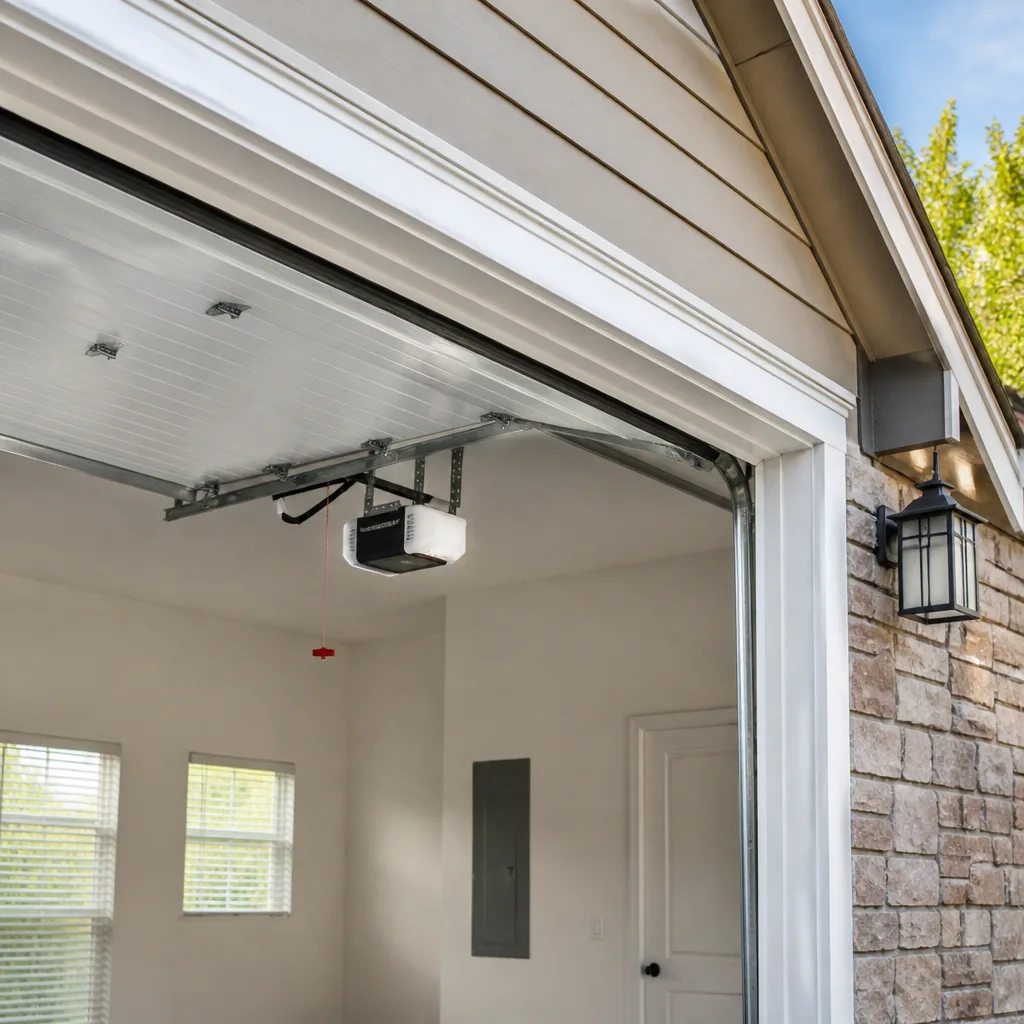 LiftMaster openers
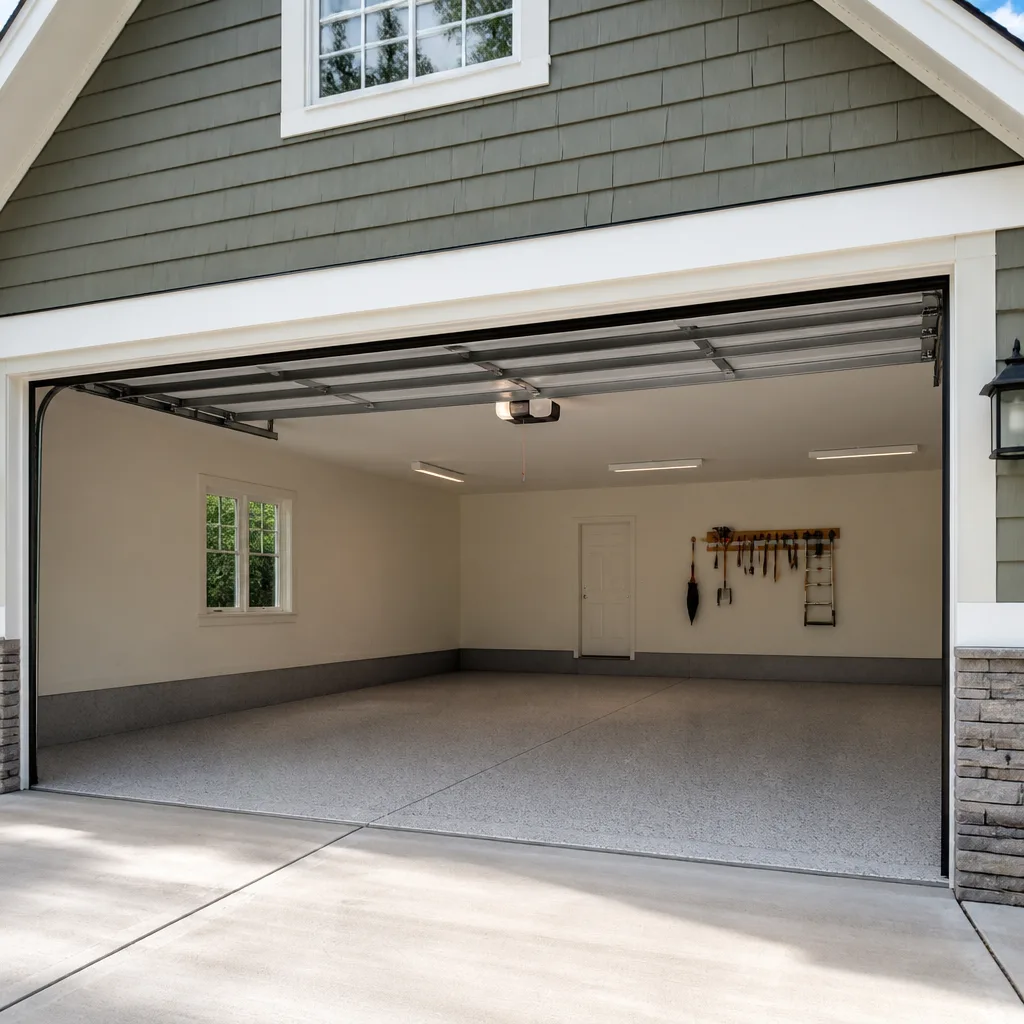 Chamberlain openers
Full 25-point door and opener safety check with every visit - springs, cables, rollers, tracks, and your LiftMaster or Chamberlain opener included
You get a price before we start. It does not change when the pro arrives.
Get your free estimateThe Complete Guide to Garage Doors in Jamaica
Most garage door guides are written for a three-car garage in Arizona. That’s not what most Jamaica homeowners are working with. Here you’ll find more one-car detached garages than wide suburban bays, weather stripping that has been through decades of Queens winters, and, in plenty of two-family homes, an opener nobody has touched in years because the tenant parks on the street. Generic advice fails fast in a place where a driveway is narrow, the garage is shared, and the door was installed when the house was built.
This guide covers what actually matters for garage doors in Jamaica: how local lot sizes shape the door you can fit, what the climate does to springs and tracks, which door types show up in the housing stock, and where the line sits between a homeowner job and one that needs a professional. We’ll keep it practical.
Quick Answer
A garage door in Jamaica, NY usually needs repair rather than replacement, and the most common jobs are broken springs, worn rollers and hinges, misaligned tracks, and openers that have lost their settings or their logic board. Springs are the dangerous part and belong to a trained technician; a door that’s noisy, slow, or stopping halfway is usually a repair, not a new door. Call (877) 792-6197 for a free estimate before you assume the worst.
Styles & brands we work with
- Raised-panel steel
- Carriage house
- Modern flush
- Full-view glass
- LiftMaster openers
- Chamberlain openers
Table of Contents
- How Jamaica’s Lot Sizes and Detached Garages Shape Your Door
- What the Climate Does to Springs, Tracks, and Hardware
- Door Types You’ll Actually Find in Jamaica’s Housing Stock
- Repairs When the Garage Is Shared or Rented
- What a Homeowner Can Handle vs. What Needs a Professional
- Why Brand Familiarity Saves You Time and Money
- What Garage Door Work Typically Costs
- A Maintenance Routine That Fits a Queens Winter
How Jamaica’s Lot Sizes and Detached Garages Shape Your Door
Jamaica’s residential blocks were laid out for a different era of car ownership. Lots are narrow and deep, driveways are short, and the garage, when there is one, is often a single-car structure set behind or beside the house. That geometry has real consequences for the door and the opener, and it’s why off-the-shelf advice from a big-box store often doesn’t translate.
What this means in practice:
- Width is limited. A typical Jamaica detached garage fits a single-car door in the standard 8- to 9-foot range. Measure the opening, not the driveway, before you shop.
- Headroom is often tight. Low-clearance garages need a low-headroom opener or a jackshaft-style unit that mounts on the side wall instead of the ceiling. A standard rail opener won’t fit.
- Short driveways mean the door is close to the street. You’ll want a door that seals well at the bottom because runoff and splash reach it quickly.
- Detached garages may lack power. If the garage has no dedicated circuit, an opener install may need an electrician before it needs us. Plan for that early.
We’ve seen plenty of Jamaica garages where the previous owner squeezed in a door that was technically the right width but the wrong track radius, so it binds against the ceiling on the way up. That’s a fit problem, not a brand problem, and it’s worth measuring carefully before you buy. If you’re replacing rather than repairing, our garage door installation page walks through the measuring side of the job.
What the Climate Does to Springs, Tracks, and Hardware
Queens gets real seasons. Hot, humid summers, then cold winters with freeze-thaw cycles, road salt tracked onto the driveway, and rain blowing sideways in a nor’easter. A garage door is a big metal assembly with moving parts, and every one of those cycles works on it. Springs fatigue faster, tracks rust at the joints, and the bottom seal takes the worst of it.
Here’s what we look at most often on Jamaica doors:
- Torsion springs lose tension over time. They don’t usually fail from one big event; they fail from thousands of cycles. A door that feels heavier than it used to is telling you something.
- Track rust at the fasteners. The pivot points and roller tracks collect moisture and road grit. Rust there causes binding and noise before it causes a break.
- Weather stripping goes first. The bottom seal and the side stops crack and harden. Once the seal is gone, rain and cold air get in and the door gets harder to close properly.
- Humidity affects wood and composite doors. Older wood doors swell at the bottom and stick. If yours does, that’s a sign of water sitting where it shouldn’t.
- Cold snaps stiffen lubricant. A door that runs fine in October can sound like it’s grinding in January. Usually that’s grease that needs to be the right type for cold weather.
What this means for you: maintenance in Jamaica is less about cosmetics and more about keeping the moving parts clean, lubricated, and free of rust. A quick look and a bit of the right lubricant before winter goes a long way. If your door is already stiff or noisy, that’s a signal worth acting on, and a free estimate costs you nothing.
Door Types You’ll Actually Find in Jamaica’s Housing Stock
Most of Jamaica’s homes were built between the 1940s and the 1970s, and the garages reflect that. That matters because the parts on an older door aren’t always on the shelf at a local supplier. Knowing what you’ve got helps you plan.
The three door types you’ll see most:
- Older sectional steel doors. The most common. Often 1-3/8 to 2 inches thick with a stamped panel design. Panels are generally available, but specific profiles from older runs can be hard to source, especially if the door was a builder-grade model that isn’t made anymore.
- Wood and wood-composite doors. Common on the older detached garages. They look great and they need more attention. Wood doors swell, rot at the bottom rail, and need refinishing. Replacing a rotted section is often possible; matching the profile is the hard part.
- Basic aluminum or steel single-car doors. Lighter and less insulated. Fine for a garage you only use for storage; not great if the garage is attached to living space and you want to keep it warmer.
The hardest parts to source for Jamaica doors tend to be discontinued panel profiles, older track sections with non-standard radii, and openers from brands that have changed their logic boards over the years. That last one is where brand familiarity matters, and it’s why we keep current on Genie, Clopay, Amarr, and Wayne Dalton systems among others. If your door is a Clopay from an older run, or an Amarr with a specific panel, we can usually tell you within a phone call whether the part exists.
If you’re weighing repair versus replacement, the honest answer is usually “repair” unless the door is structurally compromised or the parts are genuinely gone. A new door is a bigger spend, and you shouldn’t be pushed into it because a single panel is hard to find. Ask for the repair estimate and the replacement estimate side by side and decide with both numbers in front of you.
Repairs When the Garage Is Shared or Rented
Two-family homes are everywhere in Jamaica, and the garage often sits in an awkward spot: one unit uses it, or it’s shared, or it’s rented to a tenant who parks there and the landlord handles the door. That arrangement creates questions a suburban guide never touches.
Who calls, who pays, and who authorizes the work are the real issues. Here’s how we usually sort it out:
- Get the decision-maker on the call. If you’re a tenant, you can request the repair, but the owner usually has to approve the estimate. We can talk to whoever holds the purse strings.
- Agree on scope in writing. A shared garage means a shared cost sometimes. A written estimate with the line items spelled out makes the split obvious and avoids arguments later.
- Check the lease. Some leases put minor maintenance on the tenant and major repairs on the landlord. Read yours before you start calling.
- Access matters. If the garage is behind a gate or accessed through a shared alley, tell us when you book so we can plan the visit.
- Openers and remotes. If a tenant moves out with the only remote, reprogramming or replacing remotes is a small job that’s easy to overlook until the door won’t open.
One more thing: in a two-family setup, the garage door is often the security boundary for the whole property. A door that won’t close all the way is a real problem, not a cosmetic one. If yours is stuck open, that’s exactly the kind of situation where emergency service makes sense, and it’s why we offer it beyond standard hours. Call (877) 792-6197 and we’ll get you scheduled.
What a Homeowner Can Handle vs. What Needs a Professional
Some garage door work is genuinely within reach for a careful homeowner. Some of it is not, and the line is clear once you know where it is. The short version: anything that moves the door’s weight or involves the springs is a professional job. Almost everything else is fair game if you’re comfortable on a ladder and follow the manufacturer’s instructions.
Reasonable homeowner tasks:
- Wiping down tracks and lubricating rollers, hinges, and the torsion bar with a manufacturer-recommended lubricant.
- Replacing the bottom weather seal on a door that’s otherwise sound.
- Testing the safety reverse feature with a small object under the door (and adjusting the force setting per the manual).
- Replacing opener remote batteries and re-pairing remotes.
- Cleaning and visually inspecting the door panels and hardware for rust or looseness.
Tasks that need a trained technician:
- Spring replacement. Torsion and extension springs are under enormous tension. A spring that lets go can cause serious injury. This is not a DIY job, and no guide should tell you otherwise.
- Cable replacement. Cables are under the same tension as the springs and can whip loose.
- Track realignment after a door comes off the track. Rehanging a door safely takes the right tools and know-how.
- Opener logic board or motor replacement. Electrical work inside the opener, and getting the travel limits right afterward.
- Any repair on a door that’s already binding or making loud cracking sounds. That’s a “stop using it and call someone” situation.
If your door is making a sharp crack, hanging crooked, or the opener is straining, stop operating it and call. That’s true whether you’re in Jamaica or anywhere else, but with older doors and shared garages it’s especially worth taking seriously. Our garage door repair page covers the common failure patterns and what to expect when you book.
Why Brand Familiarity Saves You Time and Money
A garage door system is really two systems bolted together: the door hardware and the opener that drives it. If the technician who shows up has to figure out your brand on the spot, you pay for that time. If they already know the system, they diagnose faster and pull the right part the first time.
We work on the door and the opener, which means one call covers it all. On the door side, that includes Clopay, Amarr, Wayne Dalton, and Raynor. On the opener side, that includes LiftMaster, Chamberlain, Genie, and Craftsman. In practice, most Jamaica homes fall into one of a handful of common combinations, and we’ve seen them all.
Here’s why this matters on an older Jamaica door specifically:
- Openers age in ways that are brand-specific. A Genie from the 1990s has different failure points than a Chamberlain from the 2000s. Knowing which one you’re looking at saves a second visit.
- Parts availability varies. Some brands keep parts available for older equipment longer than others. That changes whether a repair is worth doing.
- Programming and travel limits. Setting up a replacement opener correctly depends on knowing the model’s limits and safety-reverse behavior.
- Panel matching. Getting a replacement panel that matches an existing door often comes down to knowing the manufacturer and the era.
If your opener is struggling, retraining, or stopping halfway, our garage door opener repair page goes deeper. If you’re not sure what you’ve got, take a photo of the opener’s label and the door’s panel before you call. It cuts the back-and-forth.
What Garage Door Work Typically Costs
Costs in Jamaica track with the rest of Queens: urban labor rates, tight access, and older equipment that sometimes needs a second part you didn’t plan on. The ranges below are typical estimates for the work, not exact quotes. The written estimate you receive is the price that applies, and it’s quoted and agreed before any work starts.
Here’s roughly what to expect:
- Spring replacement (one spring): typically $180-$340. A matched pair usually gets replaced together, so a pair costs about twice that.
- Extension spring replacement: generally in the same range as torsion springs, depending on the door.
- Cable replacement: typically $150-$300 per side.
- Roller and hinge replacement: typically $120-$250 for a full set.
- Track realignment: typically $150-$300.
- Opener repair (board, gear, or sensor): typically $150-$350, depending on the part.
- New opener installation: typically $300-$600 for the unit and install, higher for a smart or belt-drive model.
- New single-car door installation: typically $900-$2,500, depending on material and insulation.
Those are estimates for planning. Every door is different, and the estimate you get on-site is the one that counts. Call (877) 792-6197 for a free estimate and a written quote. Our Jamaica Garage Door Repair overview covers all the services in one place if you want to see the full picture.
A Maintenance Routine That Fits a Queens Winter
You don’t need to baby a garage door. You do need to give it a look every few months, because the two things that fail first in this climate, rust at the fasteners and a stiff door, are both cheap to prevent and annoying to fix. The routine below takes maybe 15 minutes and pays for itself.
- Twice a year, clean and lubricate. Wipe the tracks with a rag to remove grit and old grease. Lubricate rollers, hinges, and the torsion bar with a lubricant rated for garage door use. Don’t use WD-40 as a long-term lubricant; it’s a penetrant, not a grease.
- Check the bottom seal. Run your hand along the bottom and side stops. If it’s cracked, hard, or missing chunks, replace it before winter. A good seal keeps water out of the garage and off the door’s bottom rail.
- Test the safety reverse monthly. Put a small object under the closing door. The door should reverse on contact. If it doesn’t, adjust the force setting per the manual or call for service.
- Balance the door by hand, carefully. Disconnect the opener and lift the door halfway. It should stay put. If it drops or feels heavy, the springs are losing tension. Stop using the door and call for an assessment. Never reach into the spring assembly yourself.
- Look at the hinges and fasteners. Loose bolts and worn hinges are cheap to replace now and cause track damage if left.
- Clear the track channels. A pebble or a leaf in the track will make the door bind. Sweep or vacuum them out periodically.
That’s the whole routine. Do it before winter and again in spring, and you’ll catch most problems while they’re still small. If something feels off, our garage door repair service can assess it, and the estimate is free.
Common Mistakes to Avoid
- Forcing a door that’s bent or off its track. Every extra cycle on a misaligned door makes the damage worse and more expensive. Stop and call instead.
- Replacing one spring when the pair is old. A matched pair usually gets replaced together. Putting a new spring next to a tired one shortens the life of both.
- Using the wrong lubricant on the tracks. Grease attracts grit, and grit wears the rollers. Use a product made for garage doors.
- Buying a door without measuring the opening and the headroom. A door that doesn’t fit the Jamaica garage you have is an expensive mistake. Measure width, height, and headroom first.
- Assuming the opener is the problem when the door is the problem. A heavy door strains an opener into early failure. Fix the springs before you replace the operator.
- Not reading the lease in a shared or rented garage. In two-family homes, who authorizes and who pays matters. Get it in writing before work starts.
- Patching a wood door’s rot without fixing the water problem. Rot comes back if the leak that caused it stays. Address the seal and the drain path, not just the board.
See the difference
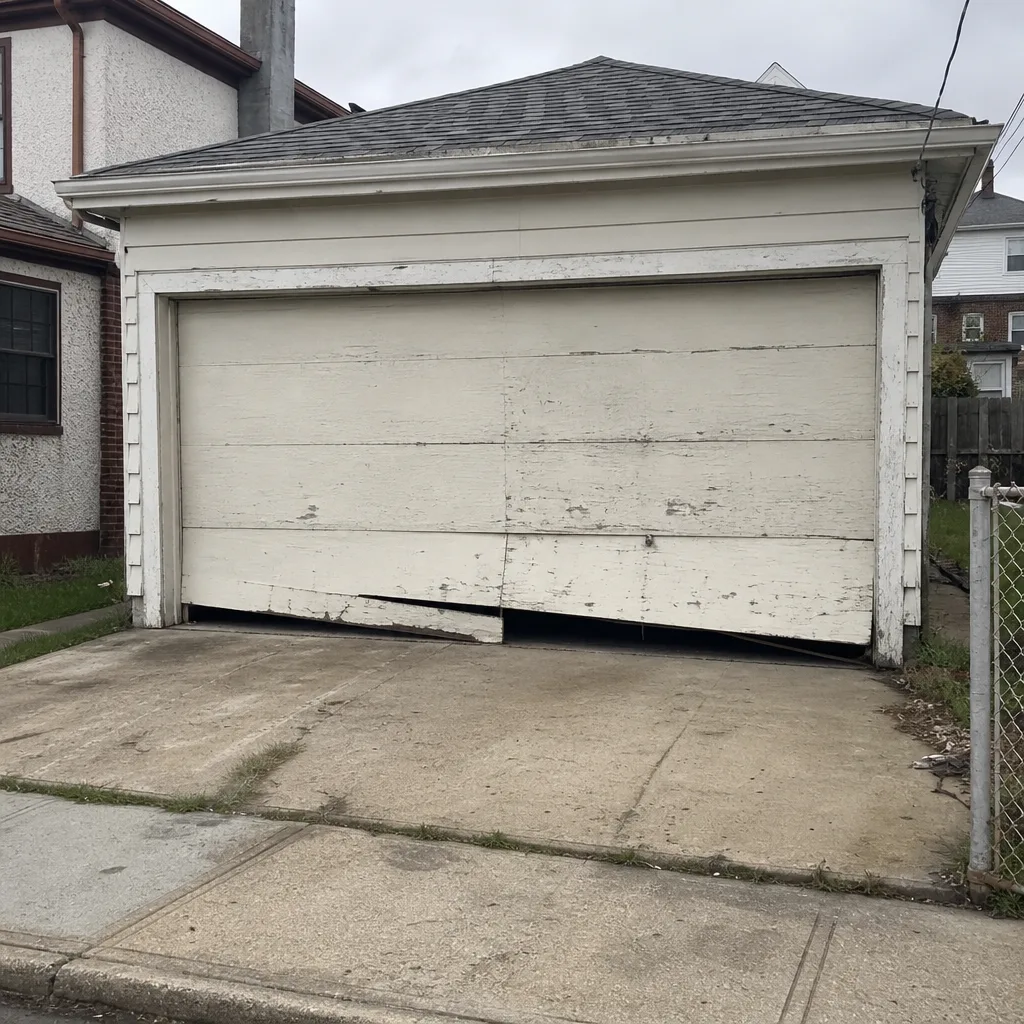 Before
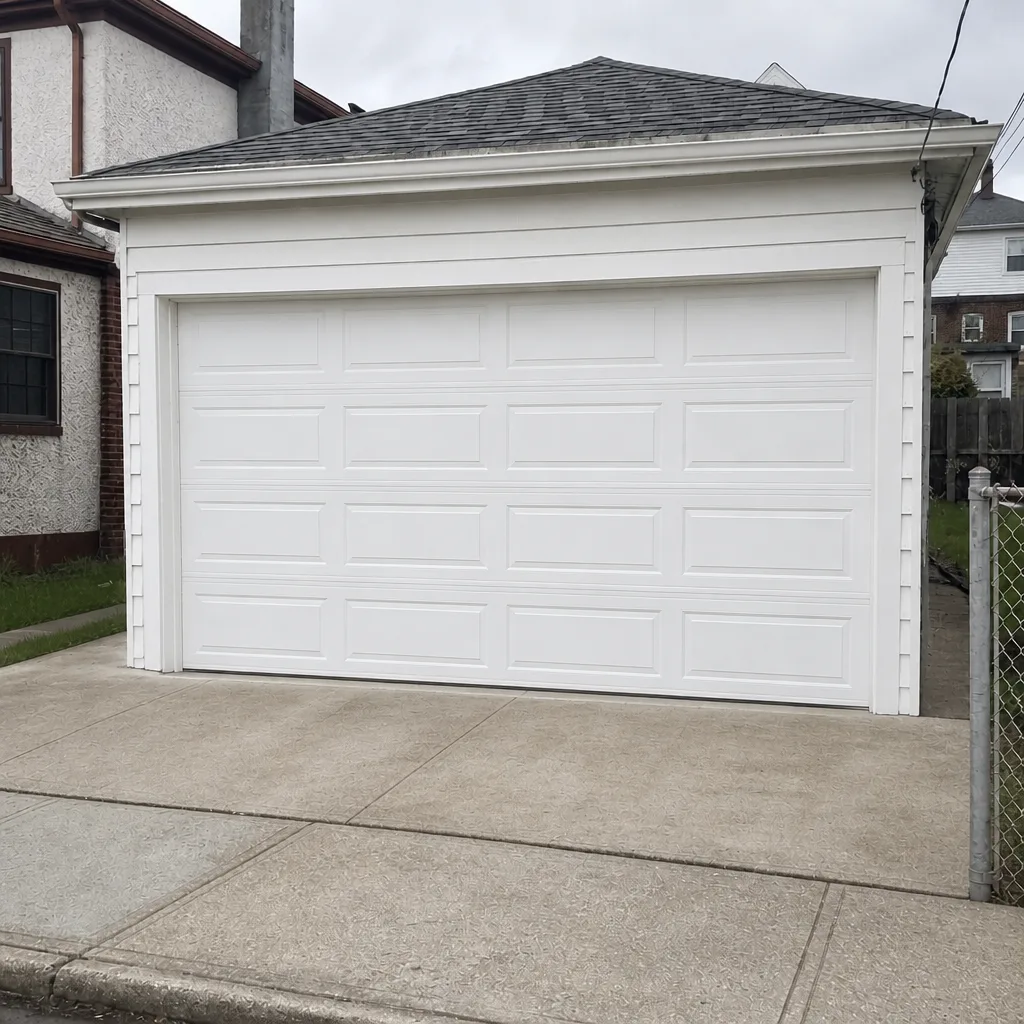 After
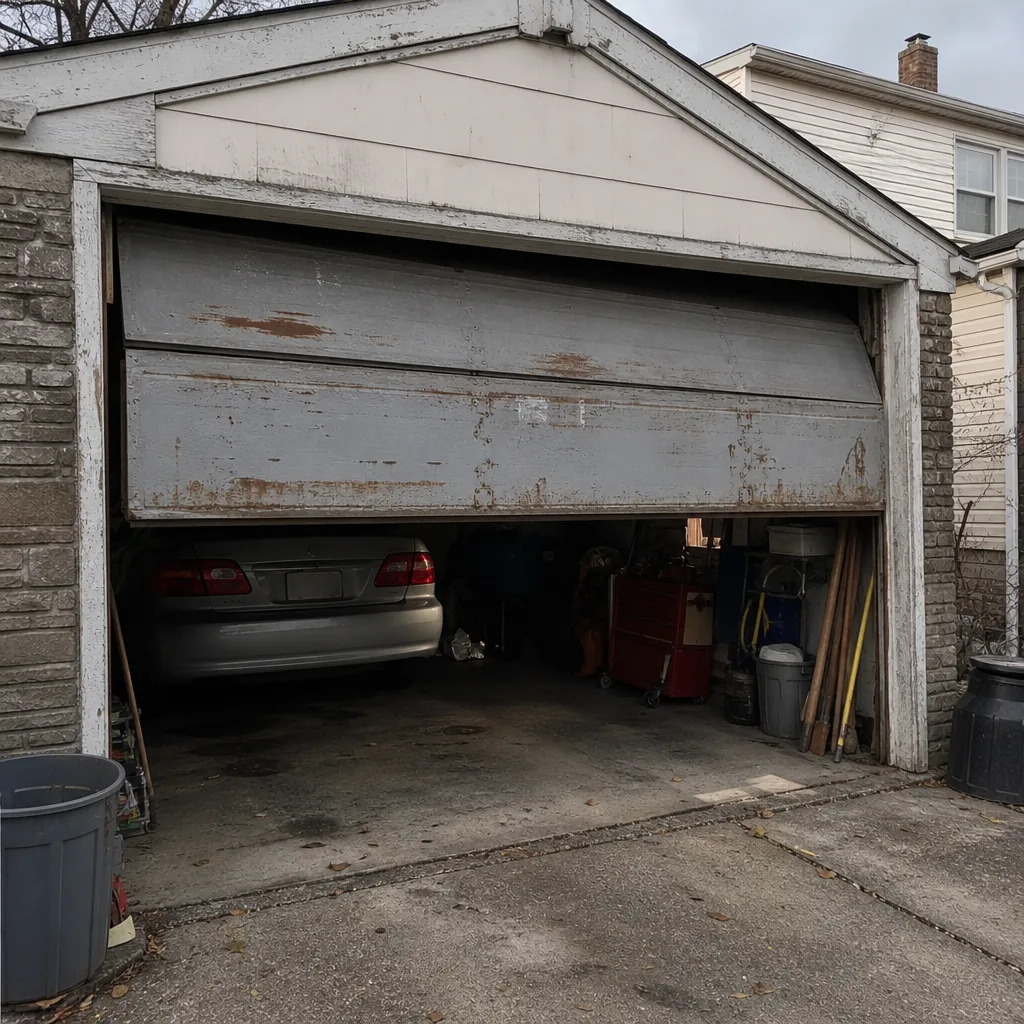 Before
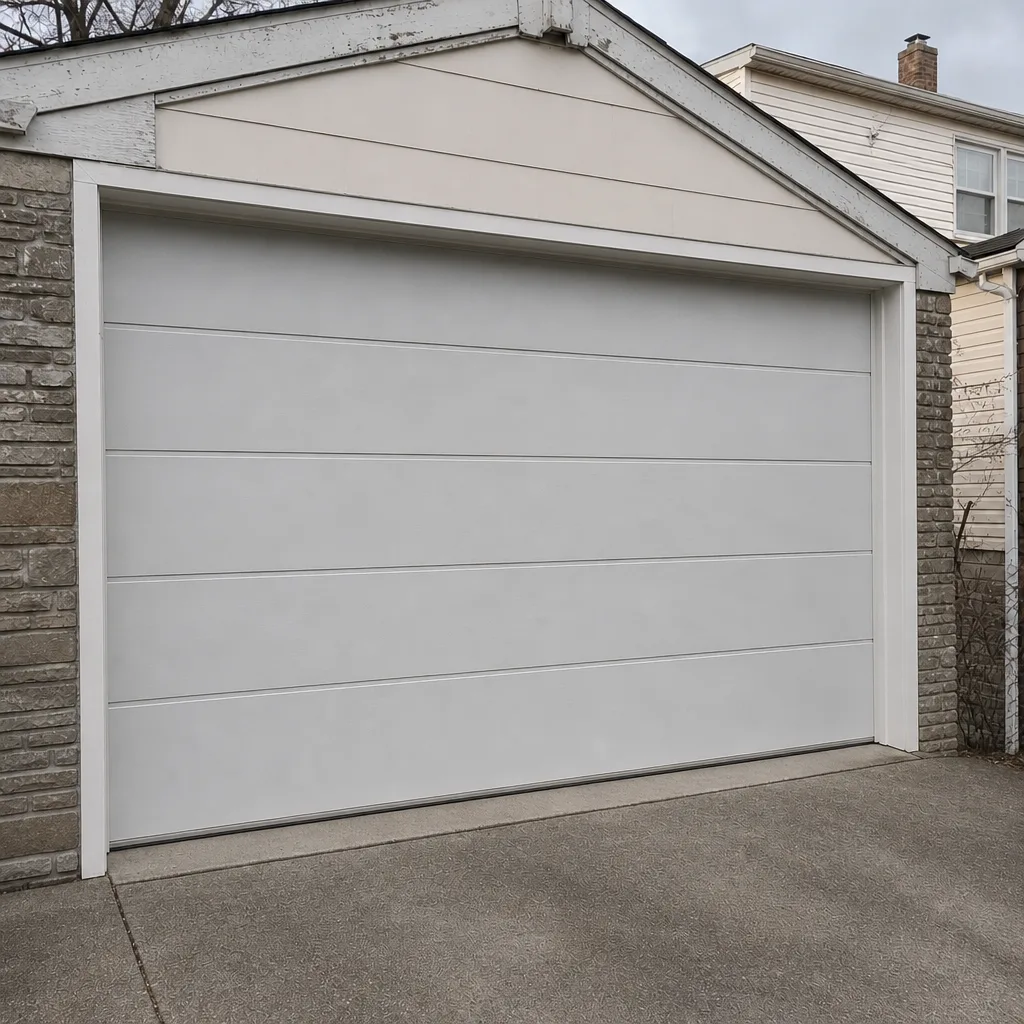 After
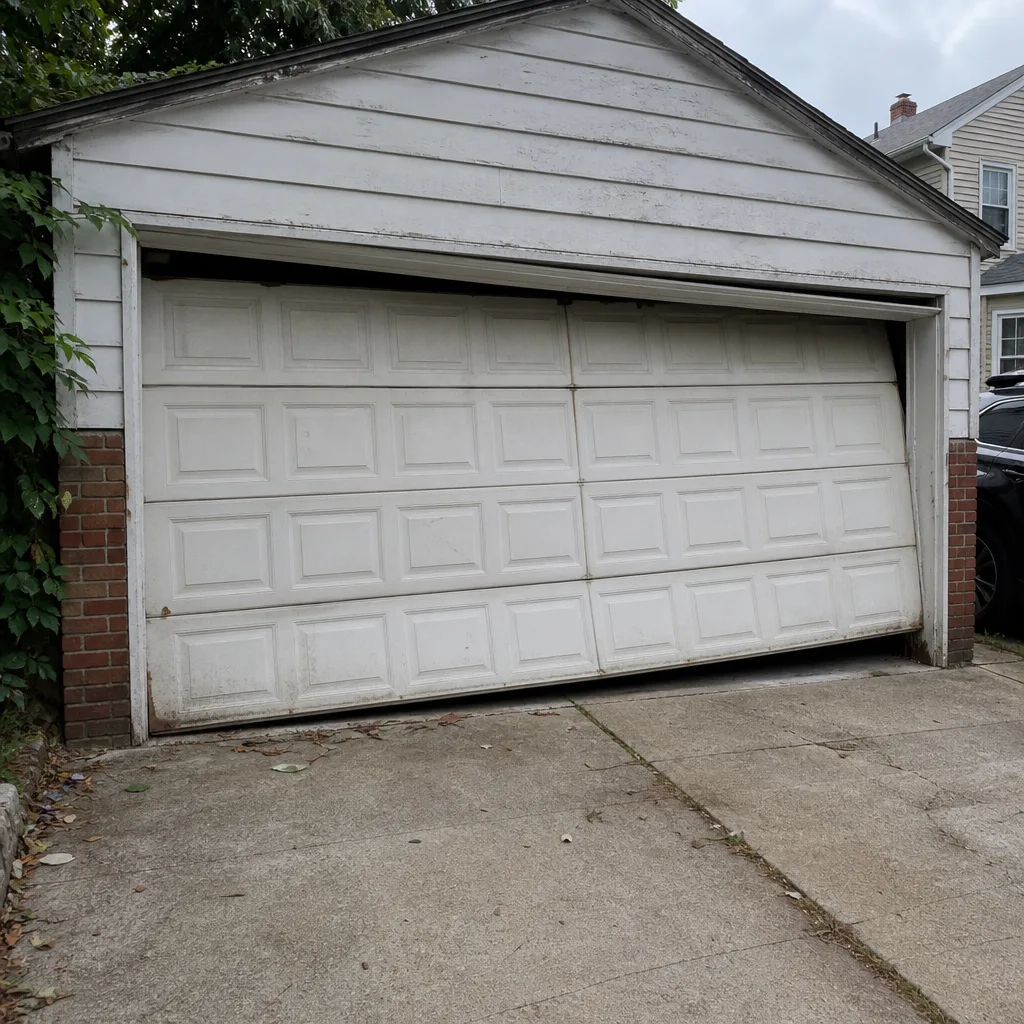 Before
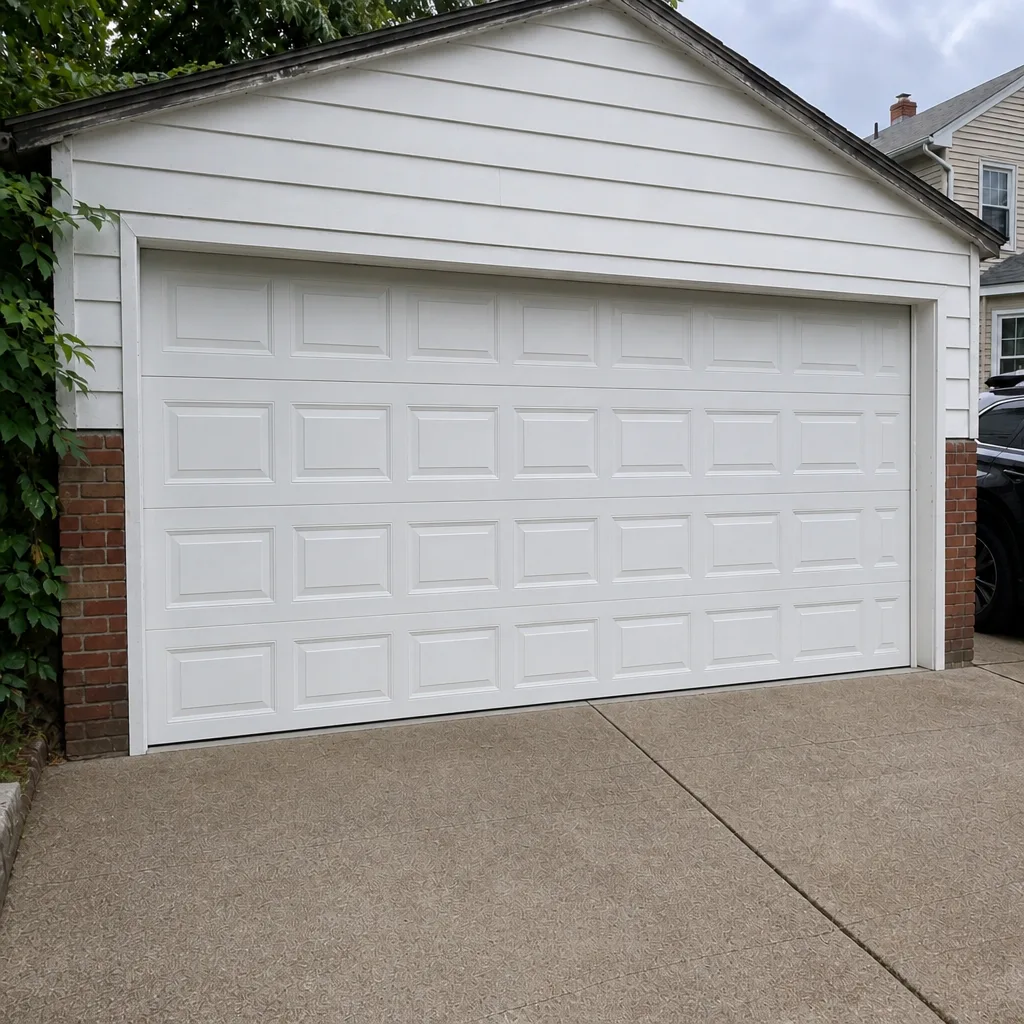 After
When to Call a Professional
Call for anything involving springs or cables, a door that’s off its track, a door that reverses or stops for no clear reason, and an opener that’s straining, smoking, or repeatedly losing its settings. If the door won’t close and the house or garage is left open, that’s an emergency, and emergency service is available. Shut off the opener and stop using the door if you hear a sharp crack, see a frayed cable, or the door hangs crooked. Don’t try to fix those yourself. Jamaica Garage Door Repair offers free estimates in Jamaica – call (877) 792-6197. Our technicians have up to 12 years of experience, and the local pro is licensed and insured as their state requires.
Frequently Asked Questions
Spring replacement in Jamaica typically runs $180-$340 for one spring, and a matched pair usually gets replaced together so a pair costs about twice that. The written estimate is the price, and it’s quoted before work starts. Call (877) 792-6197 for an exact quote, which is free.
Often, yes. Broken springs, stuck doors, and opener failures are the kinds of repair we can usually fit in the same day, and emergency service is available for situations that can’t wait. Call (877) 792-6197 and we’ll tell you what’s realistic. Installation and full door replacement need measuring and ordering, so those get scheduled rather than done same day.
Repair is usually the right call unless the door is structurally compromised or the parts are genuinely unavailable. Panels, springs, cables, rollers, hinges, tracks, and openers are all replaceable on most doors. A written estimate for repair alongside one for replacement gives you both numbers, and the choice is yours.
We work on LiftMaster, Chamberlain, Genie, Clopay, Amarr, Wayne Dalton, Craftsman, and Raynor, covering both the door hardware and the opener. That means one call covers it all instead of splitting the job between two contractors. If you’re not sure what’s installed, a photo of the opener label and the door panel helps us identify it fast.
No. The estimate is quoted and agreed before any work starts, and the written estimate is the price that applies. If we find a related problem once we’re on-site, we’ll show you what we found and give you a written price for that work before we do it. You decide, and nothing gets added on quietly after the fact.
Stop using it, check that the safety sensors are aligned and clear of obstruction, and call for service if it still won’t close. In a shared or rented garage, get the owner or property manager on the call so the estimate can be approved. Call (877) 792-6197 and we’ll help you sort out access and authorization.
The Bottom Line
Garage doors in Jamaica face a specific set of pressures: narrow lots, tight headroom, older detached garages, real winters, and shared-garage arrangements that make who-calls-who an actual question. The repairs themselves are straightforward when the technician knows the brand and the door, and the parts are the right ones. Handle the maintenance yourself if you’re comfortable; hand the springs, cables, and openers to a professional. Get a written estimate before work starts, and know that the number you agree to is the number that applies. If you’re ready to stop guessing, call (877) 792-6197 for a free estimate, or start with our garage door opener repair page if the operator is your problem.
Written by the team at Jamaica Garage Door Repair.