Last updated November 21, 2026
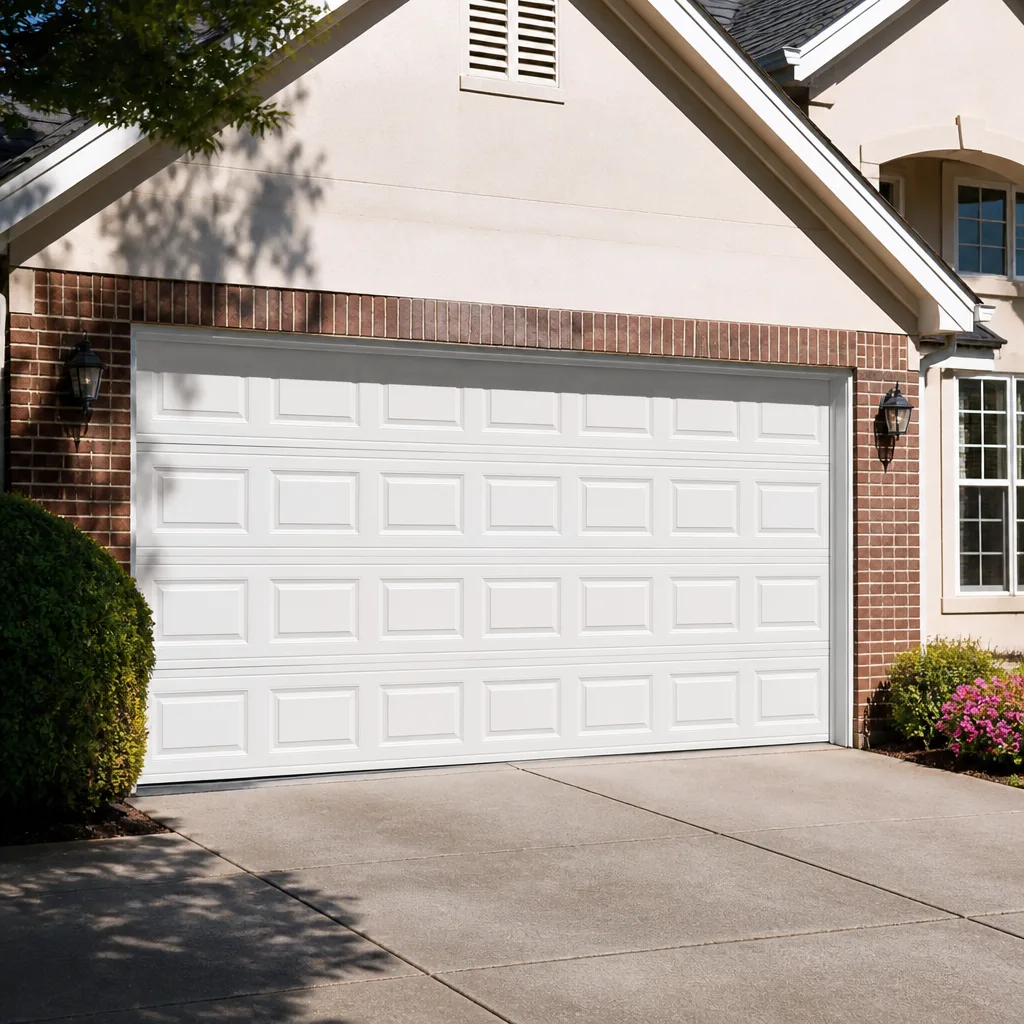 Raised-panel steel
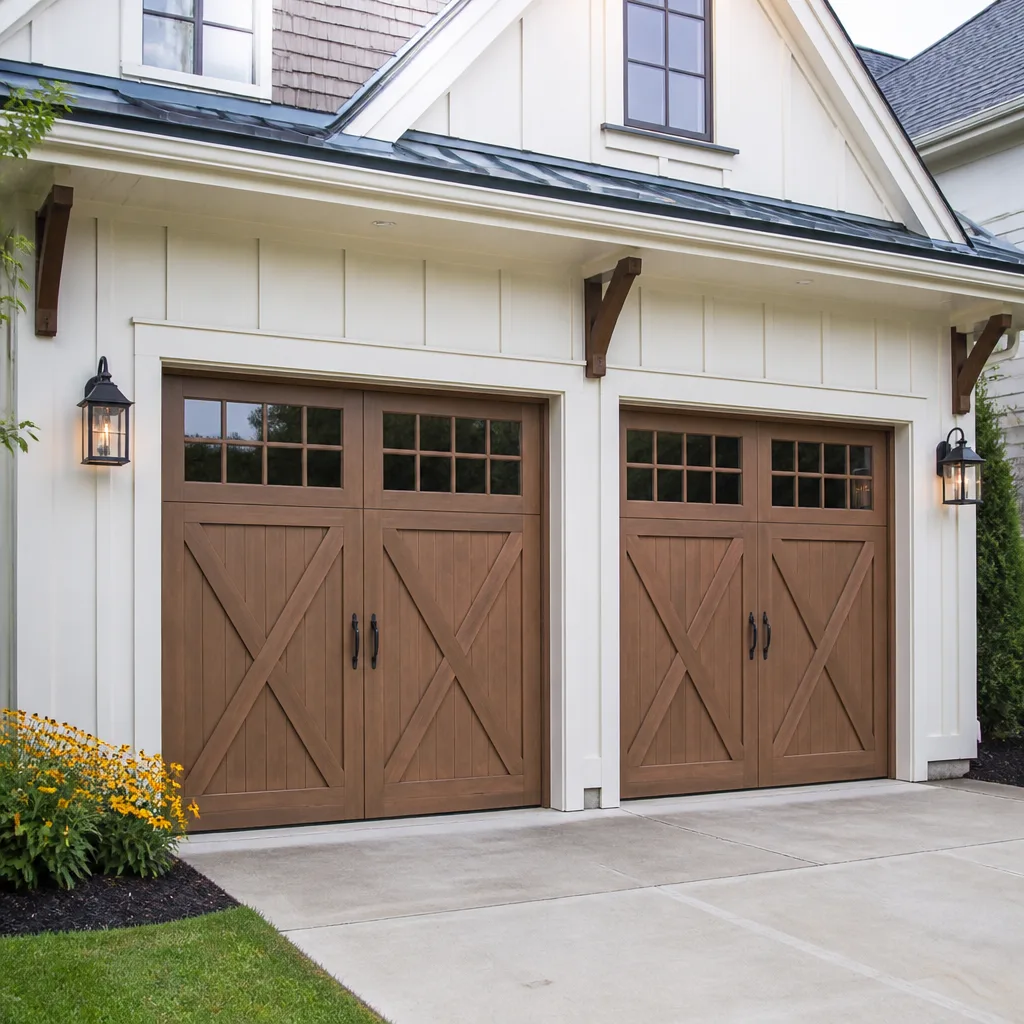 Carriage house
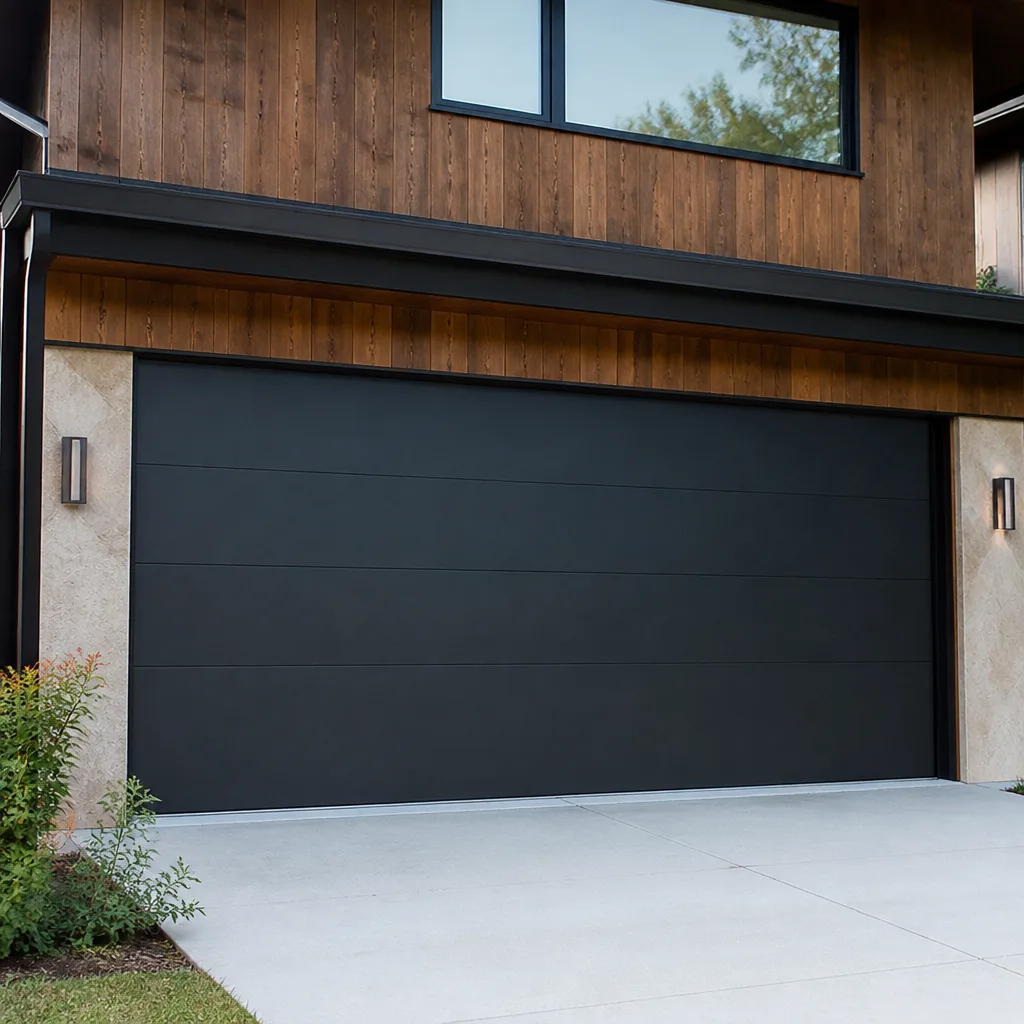 Modern flush
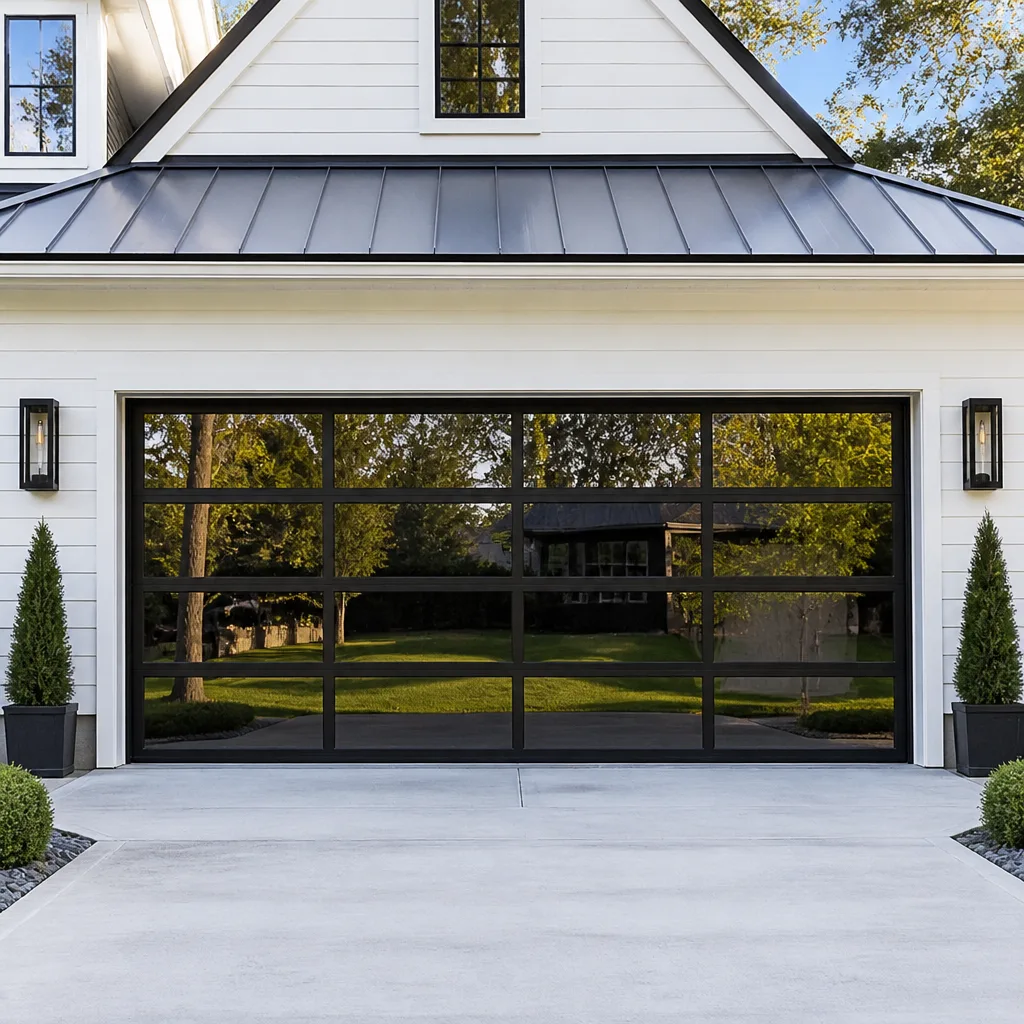 Full-view glass
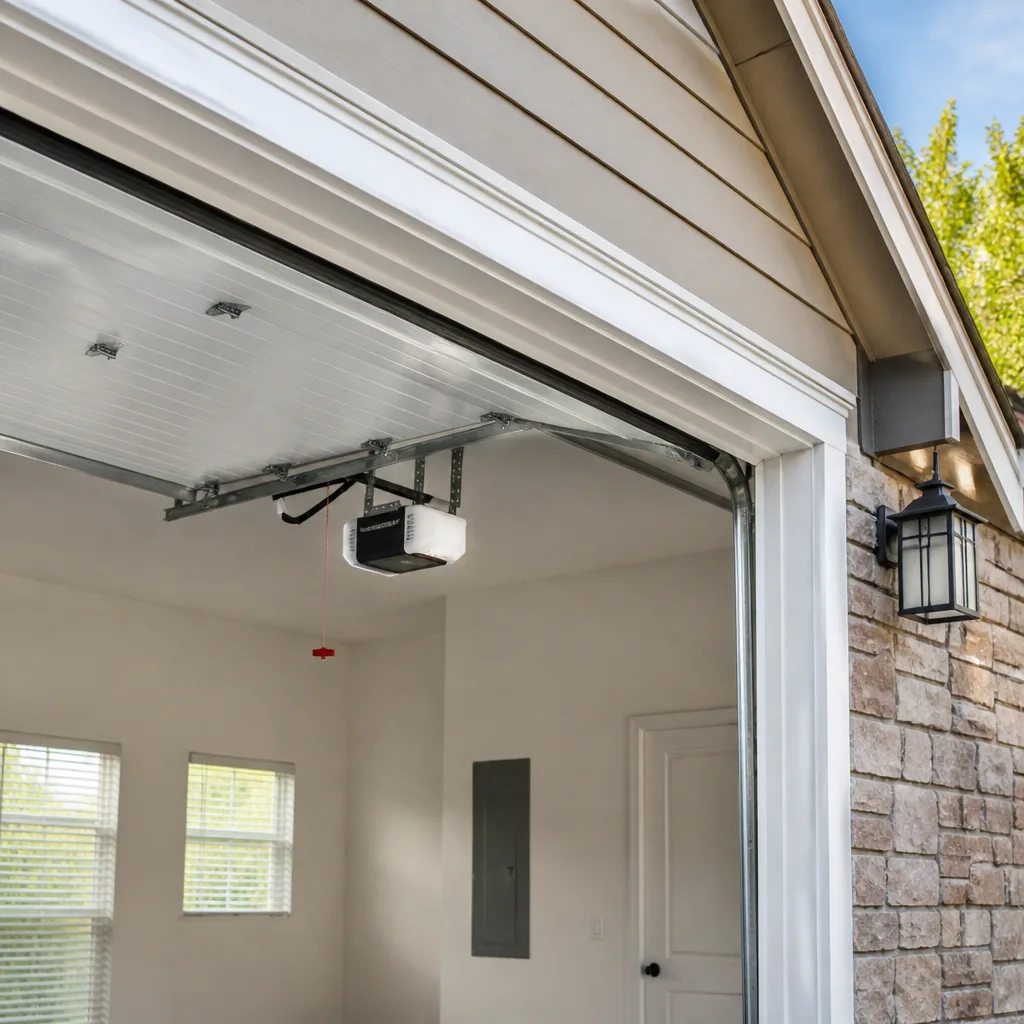 LiftMaster openers
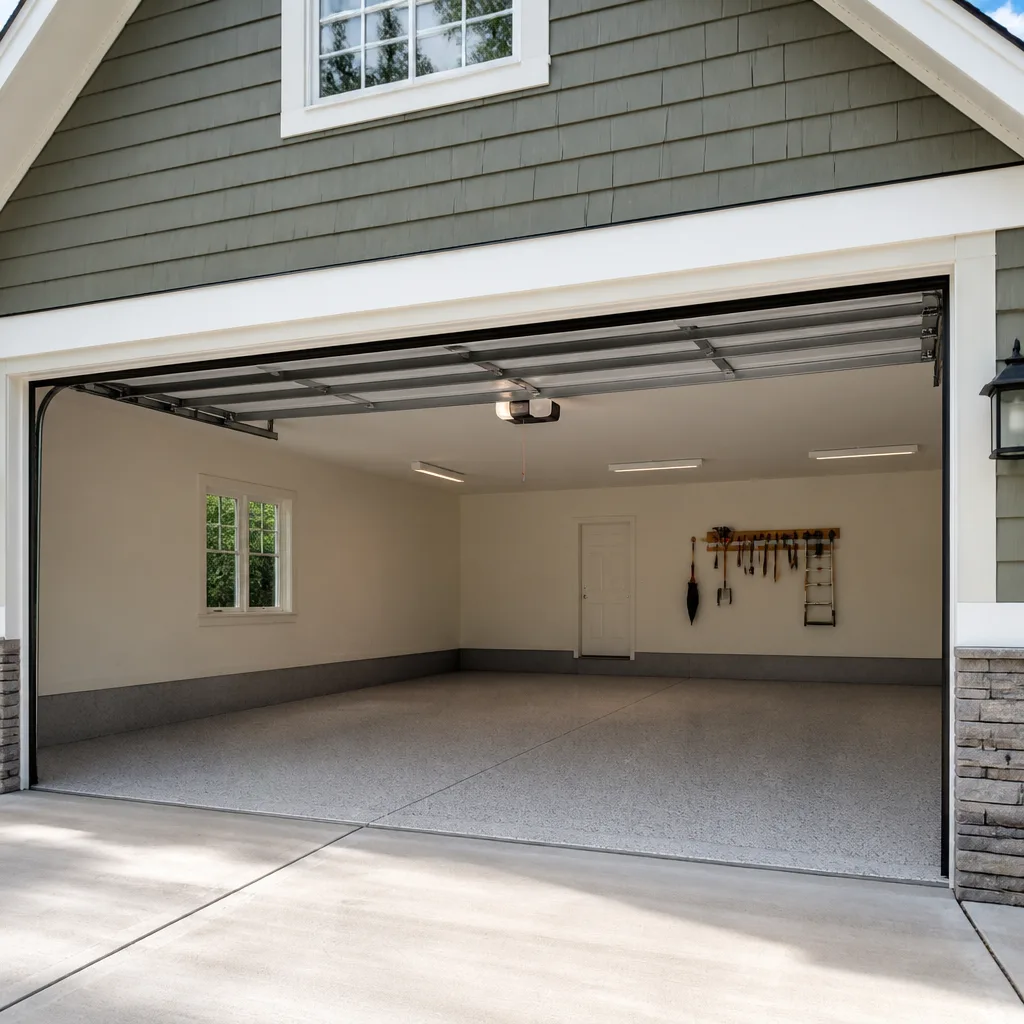 Chamberlain openers
Full 25-point door and opener safety check with every visit - springs, cables, rollers, tracks, and your LiftMaster or Chamberlain opener included
You get a price before we start. It does not change when the pro arrives.
Get your free estimateGarage Door Warning Signs: A Jamaica Homeowner’s Reference Guide
A grinding noise and a scraping noise mean two different things. One is usually a dry roller or hinge that needs lubrication. The other is a track that’s out of alignment and will tear a roller out of its bracket before the month is over. Most homeowners hear both as “the door sounds bad” and wait. That’s the mistake this guide exists to fix. A garage door rarely fails without telling you first. It groans, it jerks, it drifts, it hangs crooked, and it does it for weeks before something snaps. Here in Jamaica, where so many garages sit behind older detached structures or under additions built decades after the house, those warnings show up in specific patterns. We’ll teach you to read them the way a technician does.
Quick Answer
A garage door usually shows warning signs 2 to 6 weeks before a serious failure, and the signs fall into three groups: unusual sounds (grinding, scraping, popping, clicking, rattling), visible problems at ground level (a spring with a visible gap, a frayed cable, a crooked door), and a door that won’t stay balanced when you lift it by hand. Stop using the door immediately if you see a broken spring, a hanging cable, or a door that slams down. Everything else is usually safe to schedule within a week or two.
Styles & brands we work with
- Raised-panel steel
- Carriage house
- Modern flush
- Full-view glass
- LiftMaster openers
- Chamberlain openers
Table of Contents
- What Your Door’s Sounds Are Telling You
- Visual Warning Signs You Can Check From the Ground
- The 30-Second Balance Test
- Opener Warning Signs Most Homeowners Miss
- Stop Using the Door Today vs. Schedule Within Two Weeks
- Why Older Jamaica Detached Garages Show Different Warnings
- What Changes With the Seasons
- Prevention: What Actually Helps
What Your Door’s Sounds Are Telling You
Sound is the earliest warning a garage door gives, and it’s the most misread. Homeowners tend to lump every noise into “the door needs fixing.” A technician sorts them by where they come from and what they mean. Here’s the sound-to-problem map we use.
- Grinding, coming from overhead near the opener rail. Usually worn opener gears or a dry drive screw or chain. This is an opener problem, not a door problem, and it gets worse with every cycle. Covered under garage door opener repair.
- Grinding, coming from the door itself as it travels. Dry rollers, dry hinges, or a bent track section. A dry steel roller can seize and start scraping the track rather than rolling in it.
- Scraping or metal-on-metal. Track misalignment, a roller that’s popped partway out of the channel, or a door rubbing the frame. This is the one that will rip hardware out fast.
- Popping or banging as the door starts to lift. A torsion spring that’s failing, or a door that’s out of balance and loading the opener unevenly.
- Clicking that repeats. Usually a loose opener gear or a limit switch that’s drifting past where it should stop.
- Rattling at the end of travel. Loose hinges, loose bolts, or a panel that’s separating from the stile. Small rattles become big ones.
None of these are the same job. That’s why “the door is loud” is not a helpful description when you call. If you can say “it grinds right as it starts up and the noise comes from above the middle of the door,” a technician knows which part to bring.
Visual Warning Signs You Can Check From the Ground
You don’t need to touch anything to spot a problem early. Walk out to the door, look it over from 10 feet back, then step in closer. Here’s what to look for.
- Look at the spring above the door. If you have a torsion spring (a coil running parallel to the door, above the header), look for a visible gap in the coil. A break in the spring shows as a clear separation. On extension springs (running along the horizontal tracks), look for a stretched or opened coil. Do not touch it.
- Check the cables along the sides of the door. Healthy cables are tight and straight. A cable that’s frayed, kinked, or hanging loose is a stop-using-the-door sign. A cable can whip and cause serious injury if it lets go.
- Look at the track lines. Both vertical tracks should be parallel. If one is bowed outward, cocked, or the gap between the door edge and the track widens as the door goes up, the track is misaligned.
- Look at the door panels. A door that appears to lean or that has one panel sticking out slightly from the rest is telling you the springs are uneven or a hinge has failed.
- Check the weather seal at the bottom. A seal that’s torn, hard, or missing lets water and debris in, which shortens the life of the bottom rollers.
- Look at the floor. A door that leaves a gap of an inch or more under one side but sits tight on the other is out of balance or on a bent track.
All of this is safe from ground level, standing back. The moment a check requires you to reach up into the mechanism, step away. High-tension springs and cables are under hundreds of pounds of load even when the door is at rest, and they’re the single most dangerous part of any garage door system. That’s the job for a trained technician. Jamaica Garage Door Repair runs spring replacement as its own dedicated service for exactly that reason.
The 30-Second Balance Test
This is the test most homeowners have never run, and it’s the one that saves openers. An unbalanced door is heavier on one side than the other, and the opener has to drag that weight up and push it down on every cycle. Over months, that drag wears out the gears, the logic board, and the motor. Here’s how to run it safely.
- Close the door fully, then pull the manual release. The release is the cord hanging from the opener rail. Pulling it disconnects the door from the opener so you’re moving the door by hand.
- Lift the door about waist-high, then stop. Let go slowly and watch what happens.
- Read the result. A properly balanced door stays where you left it. A door that drops a little and settles is fine. A door that drops fast has a failing or undersized spring. A door that wants to rise on its own means the spring is set too tight.
- Check the travel. Lift the door further and see whether it wants to slide sideways or bind in the tracks. Any bind is a track or roller problem.
Do not run this test if you’ve already seen a broken spring, a hanging cable, or a door that slammed down on its own. Those are stop signs. Call for garage door repair first, then run the balance test once the door’s been serviced.
One more note: if you disconnect the door and leave it disconnected, the door becomes a manual door. That’s fine for a day. It’s not fine indefinitely, especially if you have kids or a partner used to hitting the opener button.
Opener Warning Signs Most Homeowners Miss
Most people think of a failing opener as “the opener stopped working.” In practice, openers fail slowly and show it in specific ways. Catch these early and you usually avoid a full replacement.
- The door reverses a few inches off the floor and goes back up. Usually the safety sensors are misaligned, dirty, or one is getting intermittent power. It gets blamed on the opener far more than it should.
- The opener works from the wall button but not the remote. A battery issue or a frequency problem, not a motor problem.
- The door runs a little and stops, then runs again. Often the limit switch is drifting, or the motor is overheating from an unbalanced door.
- The lights on the opener flicker or stay on. Usually the logic board or a power supply issue, depending on the brand and model.
- The opener makes a grinding sound overhead while the door runs smoothly. The opener’s internal gears are wearing, not the door.
Brand matters here. A LiftMaster or Chamberlain unit, a Genie or Craftsman system, and the older Raynor units we see around Jamaica all fail in different ways, with different parts and different board issues. A technician who knows your specific brand shows up knowing the failure pattern instead of guessing.
Stop Using the Door Today vs. Schedule Within Two Weeks
The single most useful thing this guide can do is tell you when a warning is urgent and when it isn’t. Here’s the split.
Stop using the door today (call for emergency service)
- You can see a break or gap in the torsion spring, or an extension spring that’s visibly opened.
- A cable is frayed, kinked, hanging, or looks loose on one side.
- The door has dropped suddenly, closed hard on its own, or hung crooked after a loud bang.
- The door feels unusually heavy when you lift it, or feels like it’s binding in the tracks.
- A panel is separating from the door frame, or a roller has popped out of its bracket.
- The door is hanging visibly off its tracks on one side.
After a spring or cable failure, the door’s full weight is on the opener or on you. Use the manual release to disengage the opener and leave the door closed until a technician arrives.
Schedule within two weeks (book, but the door is safe to use)
- Grinding or squealing from the door, but the door still travels smoothly.
- A slow opener, extended response time from the remote, or a wall mount that’s loose.
- The bottom weather seal is worn or torn.
- Visible rust or a door that’s noticeably louder than it used to be.
- The door works from the wall button but not the remote.
If you’re not sure which side of the split your warning falls on, don’t guess. Call Jamaica Garage Door Repair at (877) 792-6197 and describe what you’re seeing. That call is free, and it’s usually the difference between a small repair and a full door replacement.
Why Older Jamaica Detached Garages Show Different Warnings
Garage door failures here don’t look quite like failures in newer subdivisions, and it’s mostly about the structure the door is mounted to. Jamaica has a lot of older detached garages, garages under additions that were built decades after the main house, and freestanding garages behind homes on the tighter blocks you find across neighborhoods like Hollis, St. Albans, and South Ozone Park. Each of those has its own failure pattern.
Racking on older detached garages. An old detached garage settles over time, and when the frame racks even a fraction of an inch, the door tracks go out of alignment with it. The result is a door that starts drifting to one side, or scraping along one track. This is not a door defect. It’s the frame moving under a door that was set straight decades ago. You can’t fix it with a new roller; you need the track re-aligned to the door.
Header sag on additions. When a garage was added under a structure later, the header over the door takes a different kind of load, and a sagging header will push the tracks out of parallel. Doors on these setups show binding and popping as the door climbs, and the fix is often a track adjustment rather than a spring replacement.
Anchor and frame movement on freestanding garages. Freestanding wood-frame garages in this area often have anchor bolts that work loose over time. A door that pops or shudders at the start of travel on one of these is usually telling you the frame is moving.
None of these are cosmetic. If your Jamaica door is running rough, the underlying frame condition is the first thing we look at, not the door itself. That’s why Jamaica Garage Door Repair arrives ready to check the whole picture, not just swap a part.
What Changes With the Seasons
Garage door warning patterns in Jamaica shift with the weather, and knowing what changes and when saves a lot of guesswork.
Summer heat and humidity. Metal expands in the heat, so doors that were quiet in April often start scraping in July. The springs are also under slightly different tension when the door’s metal has expanded, and a door that was balanced in the spring can suddenly feel heavier. Steel rollers can bind in tracks that fit tightly in cooler months.
Fall temperature swings. Day-to-night swings are hard on wood-frame garages, and the seasonal shift is when loose anchor bolts and settling frames become visible. If your Jamaica door starts showing new tracking problems in October, it’s the season, not a coincidence.
Winter cold. Cold weather stiffens lubricant and makes a door with any dry part much louder. It also makes spring fatigue more likely, and a tired spring is far more likely to break in cold weather than in warm. If a spring has been on the edge for a while, the first cold snap is when it lets go.
Spring rain and debris. Wet leaves and grit blown into the tracks in spring cause scraping and binding that show up as a door that “suddenly needs fixing.” Usually it just needs the tracks cleaned and re-lubricated.
Prevention: What Actually Helps
Most garage door failures are preventable with three minutes of attention a few times a year. None of it requires touching the springs or cables.
- Lubricate the moving parts. Rollers, hinges, and the opener chain or screw. A dry door is a loud door, and a loud door is usually a few months from a repair.
- Wipe down the tracks. A rag and a few minutes once a season keeps grit from grinding into the rollers.
- Run the balance test monthly. It takes 30 seconds and it’s the earliest warning you’ll get that a spring is tiring.
- Check the safety sensors. Wipe the lenses and make sure the indicator lights are steady. Misaligned sensors cause more “opener” calls than failing motors.
- Listen once a month. Stand inside the garage and just listen while the door cycles. If you notice a new sound, note where it comes from.
- Book a service visit if anything feels different. A door that’s a little heavier or a little louder than it was a year ago is telling you something.
About once a year, it’s worth having a technician look at the springs and cables even if nothing feels wrong. Those parts are under load all the time, and a trained eye catches wear that isn’t visible from the ground. Same for the opener. If you’re due a new one, garage door installation is a measured, scheduled job, not an emergency, so you can plan it.
Common Mistakes to Avoid
- Treating all noises as one problem. A grinding noise from the opener and a scraping noise from the door are two different jobs, two different parts, and two different price points. Describing where the noise is coming from gets you the right technician on the first visit.
- Ignoring a door that’s getting heavier. A door that feels heavier every month is a spring that’s tiring. Waiting for it to snap usually means a longer downtime and often a door left hanging crooked.
- Running the door after a spring or cable failure. After a spring snaps, the door’s weight is on the opener and the remaining spring. Running it can bend the opener rail, crack the door panel, or cause a cable to whip. Use the manual release and leave it closed.
- Calling for a new door when a repair will do. Plenty of doors get replaced that only needed tracks re-aligned or a hinge replaced. Many are Clopay or Amarr doors that would run another decade with proper service.
- Blaming the opener for a misaligned sensor. The most common “opener is broken” call in Jamaica is actually a dirty or misaligned safety sensor. Check the sensor lights before you assume the motor is failing.
- Leaving the manual release pulled. Once you disengage the door from the opener for a balance test, re-engage it or the door becomes a manual door. That’s an easy way to pinch fingers or bring the door down on someone.
- Skipping lubrication because the door “still works.” A dry door runs, then it runs rough, then it fails. Lubricating takes minutes and saves the repair.
See the difference
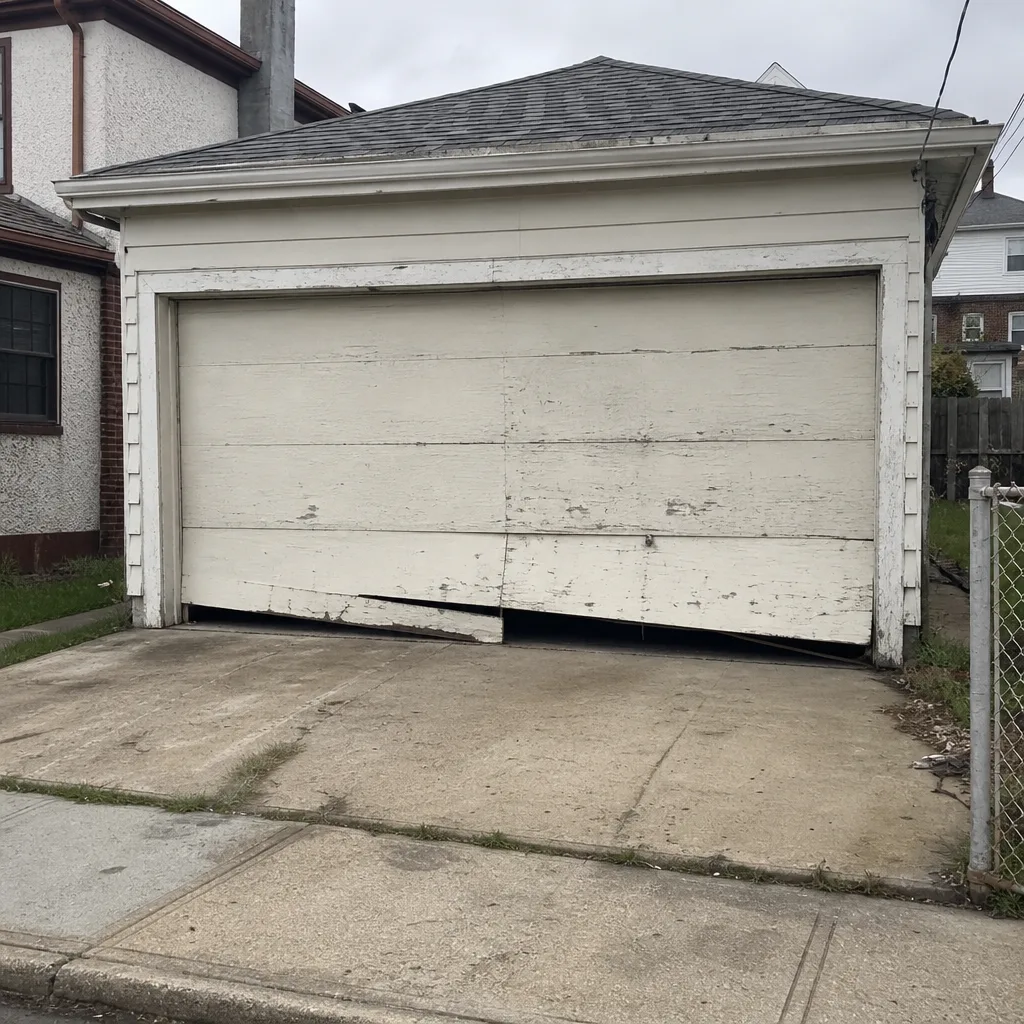 Before
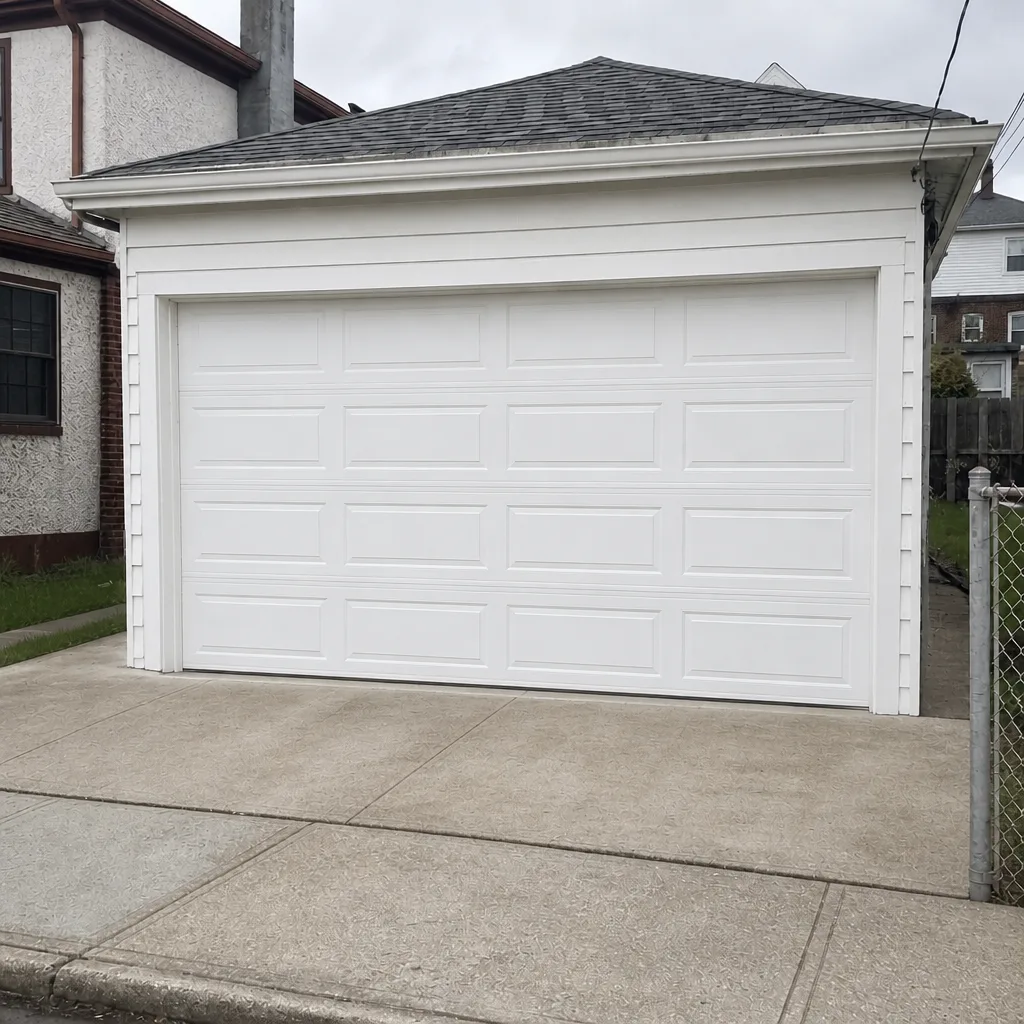 After
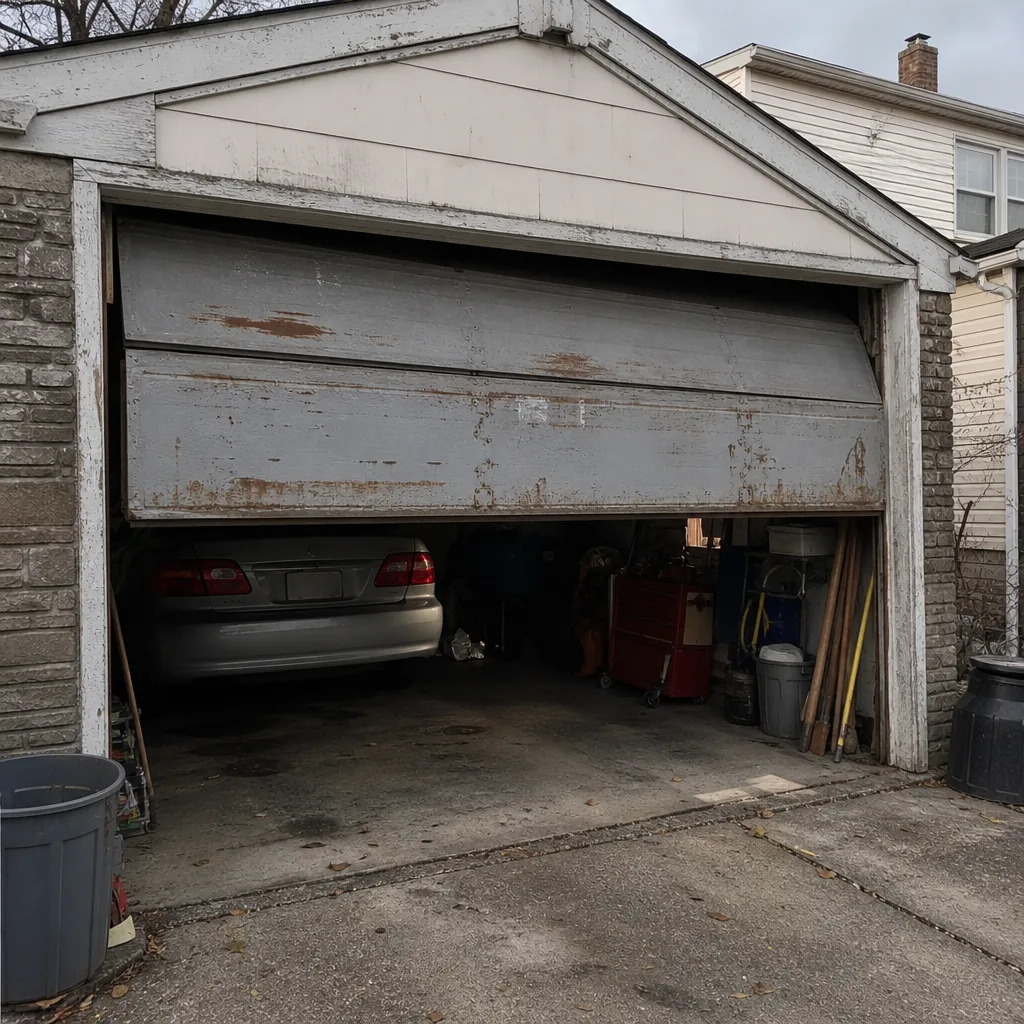 Before
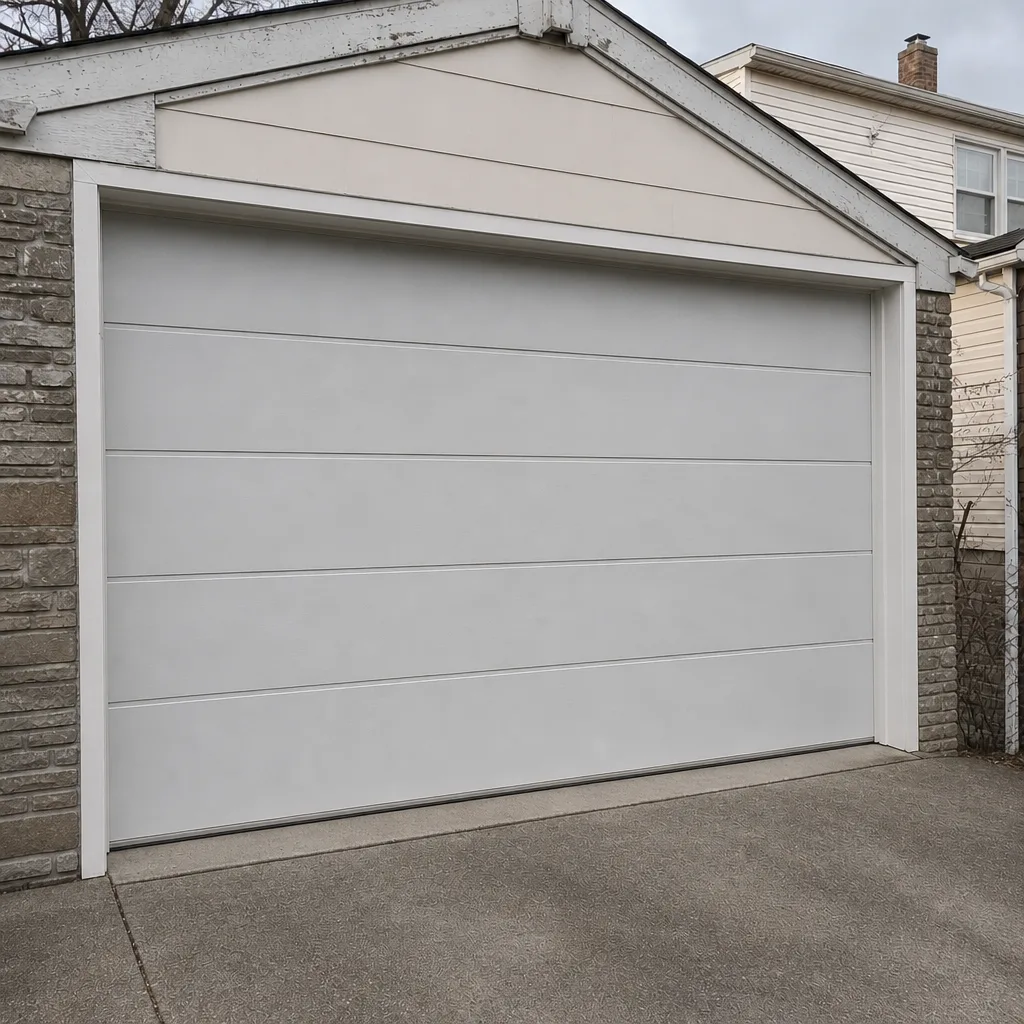 After
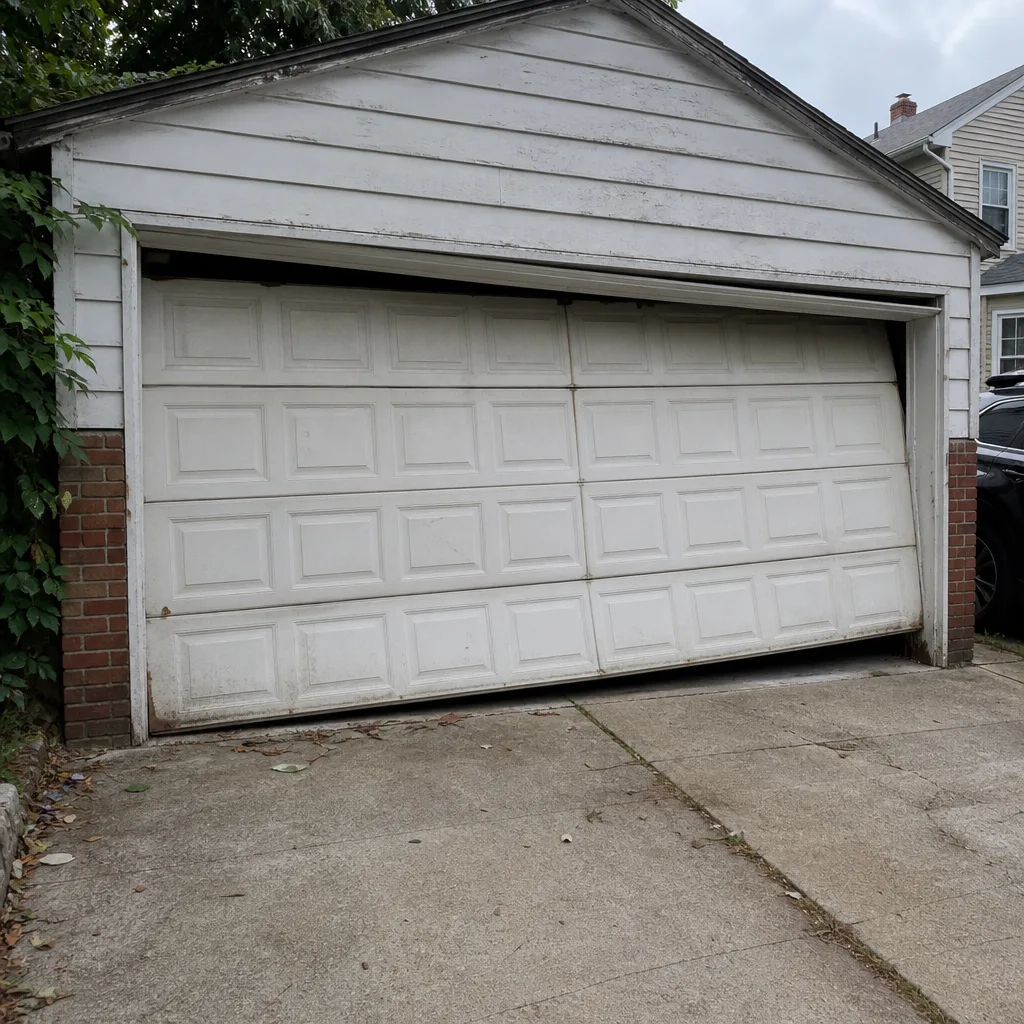 Before
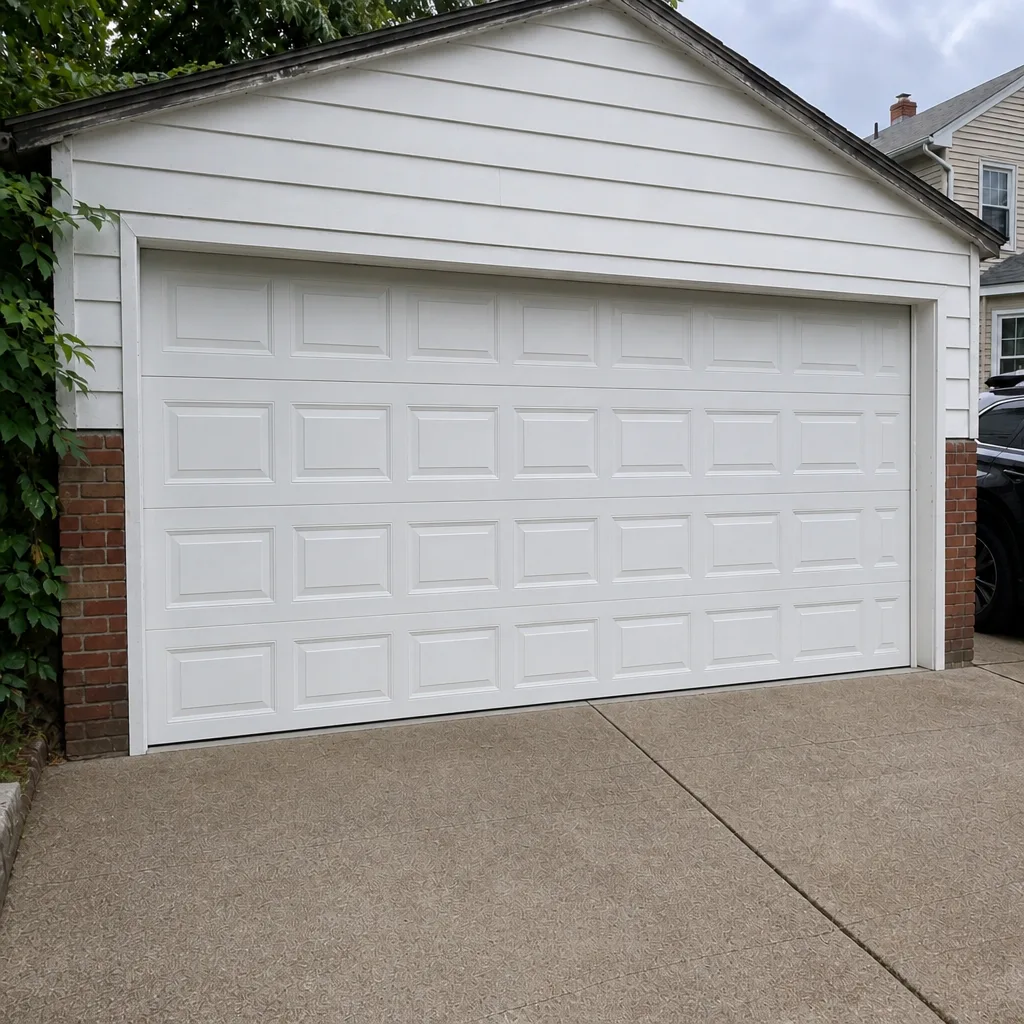 After
When to Call a Professional
Call a professional the moment you see a broken spring, a loose or frayed cable, a door that’s hanging off one side, or a door that dropped or slammed on its own. Those are dangerous and nothing a homeowner should touch. For everything else (grinding, a slow opener, a squeal, a remote that stopped working, a worn bottom seal), it’s safe to schedule a service visit. If you’re not sure which side of that split your warning is on, describe what you’re seeing and let us sort it out. Jamaica Garage Door Repair offers free estimates in Jamaica. Call (877) 792-6197 and tell us what the door is doing. One call covers the door and the opener, so you don’t have to call two contractors for one feeling that “the door is just off.”
Frequently Asked Questions
The most common early warning is a door that’s getting louder or heavier, usually because a spring is tiring or rollers are drying out. If a door that used to run quietly starts grinding, squealing, or feeling heavier than it did a few months ago, that’s your signal to book a service visit. Call (877) 792-6197 for a free estimate if you want a technician to look before it gets worse.
Look at the spring above the door from ground level. On a torsion spring, a break shows as a visible gap in the coil. On an extension spring, the coil will look stretched or opened. You don’t need to touch it. A visible gap plus a door that won’t lift on its own (or that feels extremely heavy) means the spring is gone. Leave the door closed and call (877) 792-6197. Spring replacement is dangerous work and belongs with a trained technician.
Usually yes, but only short-term, and you should book a visit within a week or two. If the grinding comes from above the door (the opener rail), the opener is the source and it will keep working but wear faster. If the grinding comes from the door itself, a dry roller or a bent track is dragging, and every cycle does more damage. Either way, stop using the door if it starts to bind, scrapes metal-on-metal, or feels heavy.
Most warning signs give you weeks, not months, before something fails. In our experience in Jamaica, a door that starts grinding or popping after years of quiet service typically has a few weeks before a spring or roller gives out. A warning you can see (a broken spring, a hanging cable) is already a failure. A warning you can hear (grinding, squealing, popping) is a warning you can still act on, but not indefinitely.
Temperature swings move the door’s metal and the structure it’s mounted to. Summer heat expands metal and makes bindings and scrapes more obvious. Winter cold stiffens lubricant and pushes tired springs past their limit. Fall is when older Jamaica garages and garages under additions tend to show new tracking problems as the frame settles through the season change. If a door acts up only in one season, the season is telling you which part is under stress.
That’s the assumption a lot of homeowners start with, and it’s what makes people put off the call. A good technician diagnoses first. A grinding roller, a dry hinge, a misaligned track, or a failing opener gear is a repair, not a replacement. New installation is a separate, scheduled conversation for doors that are actually beyond repair. If you want a straight answer before you commit to anything, call (877) 792-6197 and describe the symptom. Estimates are free, and the price you agree to before the work starts is the price.
The Bottom Line
Garage doors almost never fail without telling you first. Grinding, scraping, popping, clicking, and rattling each point at a specific part, and a door you can read is a door you can fix before something snaps. Stop using the door today if you see a broken spring, a loose cable, or a door that dropped on its own. Book within two weeks for grinding, a slow opener, or a worn seal. Run the 30-second balance test once a month, and listen to the door once a month. In Jamaica, older detached garages and additions show warnings that point at the frame as often as the door.
If your Jamaica garage door is telling you something and you’re not sure what, call Jamaica Garage Door Repair at (877) 792-6197 for a free estimate. We work on LiftMaster, Chamberlain, Genie, Clopay, Amarr, Wayne Dalton, Craftsman, and Raynor systems, so whatever is on your door, you’ll get a technician who knows the equipment, not a guess. Emergency service is available if your door can’t wait. Our technicians have up to 12 years of experience.
Written by the team at Jamaica Garage Door Repair.